
15 Questions to Ask Before You Hire a Roofer
- May 7
- 7 min read
When it comes to protecting their home, one of the most crucial decisions homeowners can make is to hire a roofing contractor. The roof is the first line of defense against rain, wind, moisture, heat, and structural damage. Inexperienced or unreliable contractors can compromise the quality of top-quality roofing materials.
When looking for the best roofers, many homeowners focus only on price and stop there, but this is not the only thing they should consider. By asking the right questions before signing a contract, homeowners can avoid hidden costs, shoddy craftsmanship, installation delays, warranty issues, and costly repairs in the future.
Detailed questions are a sign of trust and professionalism, so professional roofing contractors should be happy to receive them. Answers given by contractors can show you their experience, how well they installed the job, the level of service they provide, and how reliable they will be in the future.
1. Are You Licensed and Insured?
The first thing any homeowner should look for in a roofing company is full licensing and insurance. Roofing activities pose significant safety risks, require structural work, and involve a substantial investment. A licensed contractor works within the guidelines of the local building codes and state regulations.
Insurance is also crucial, as roofing projects can involve accidents. Contractors should have general liability insurance and workers' compensation insurance. While workers' compensation would cover injuries to roofing crews on the job, liability insurance would cover property damage during the project, which could be a problem for the homeowner. Uninsured contractors may put homeowners at financial risk in case of injury or damage.
2. How Long Have You Been in the Roofing Industry?
Roofing is a job that can't be done without experience. Roofers with many years of experience have encountered a wide range of roof installations, weather conditions, installation issues, and repair scenarios.
The following are some of the things that a roofing company that has experience will know:
Proper installation methods
Ventilation requirements
Waterproofing systems
Local weather conditions
Material performance
Additionally, roofing companies that have been around for years are well known in the area, which suggests they have a strong reputation and reliable post-installation customer service.
3. Can You Provide Local References?
A reputable plumbing or roofing business will be comfortable providing references for recently completed projects within the community. By communicating directly with former customers, homeowners can gauge how the contractor communicates, schedules projects, works, maintains cleanliness, and treats customers.
Homeowners should ask their references questions on:
Overall project satisfaction
Installation quality
Timeliness
Cleanup procedures
Warranty service
Pictures and videos of finished roofing jobs can also offer valuable insight into roofing artistry. If possible, visit the finished job to see these buildings for yourself.
4. What Roofing Materials Do You Recommend?
Different roofing materials are not all equally effective in all climates. An experienced roofing contractor should be able to describe the pros and cons of various roofing solutions based on a house's location, design, budget, and long-term objectives.
Some of the common roofing choices include:
Asphalt shingles
Architectural shingles
Metal roofing
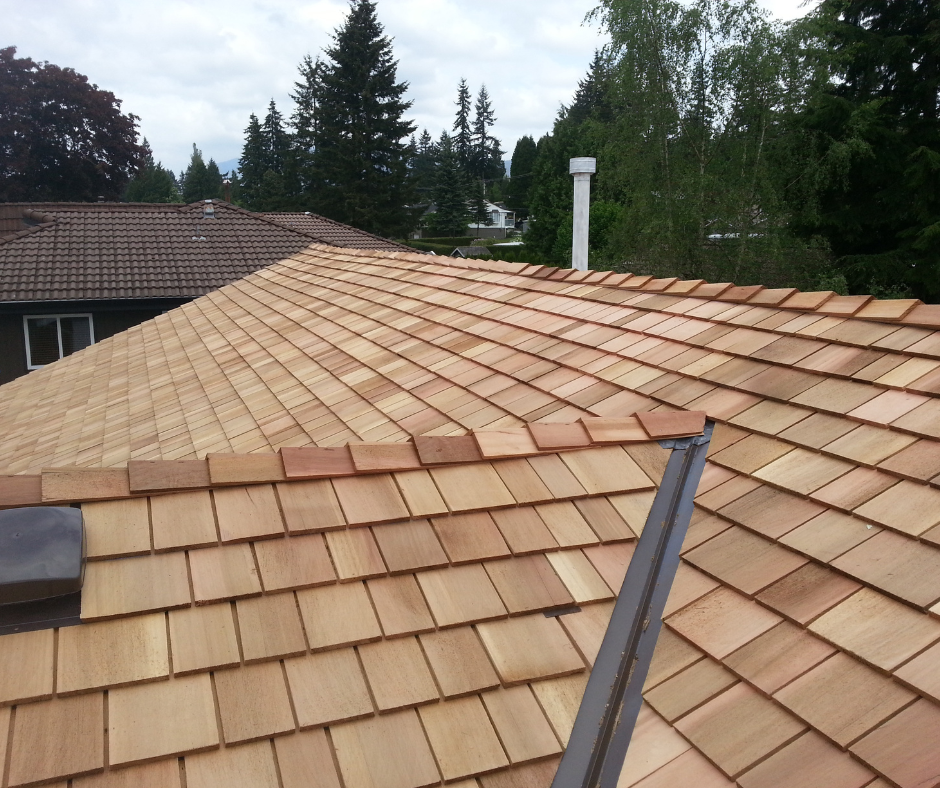
Cedar shake roofing
Tile roofing
Synthetic roofing systems
For all materials, a knowledgeable contractor should discuss the durability, maintenance, energy efficiency, weather resistance, and lifespan.
5. Do You Offer Manufacturer Certifications?
A roofing manufacturer's certification is a designation indicating that a roofing contractor has undergone specialized training and met the manufacturer's installation standards.
Contractors who are certified to do the job may offer:
Higher installation standards
Better warranty options
Advanced product knowledge
Ongoing training
A manufacturer-certified roofer will likely have more experience installing certain roofing systems properly.
6. Will You Remove the Old Roof Completely?
Some contractors install a new layer of shingles over the existing roofing to save on labor costs. However, full roof removal is often the best long-term solution, as it allows the contractor to inspect the decking beneath the roof for potential damage.
A complete tear-off can help determine:
Rotting plywood
Water damage
Mold growth
Structural deterioration
Ventilation issues
New roofing over old roofing indicates underlying structural issues that are hidden and reduces the roof's lifespan.
7. What Type of Underlayment and Waterproofing Will Be Used?
Roof shingles, by themselves, are not sufficient to keep a house dry. Good waterproofing systems under the roofing material are essential for long durability.
Owners should inquire of contractors regarding:
Synthetic underlayment
Ice and water shield membranes
Flashing systems
Leak protection methods
Waterproofing systems today provide a new level of roof performance in wet climates and help to prevent future leaks.
8. How Will Roof Ventilation Be Handled?
Roof ventilation is a significant factor in moisture control, mold growth, and early roofing failure. Bad air circulation can also raise energy bills.
A professional roofer should consider these points:
Attic airflow
Intake ventilation
Exhaust ventilation
Ridge vent systems
Soffit ventilation
Controlled ventilation systems enhance the energy efficiency and prolong the roof's lifespan. Book your roof maintenance service with us today.
9. What Is Included in the Roofing Estimate?
A carefully written quote is a key factor in any roof installation job. Homeowners must ask for a detailed breakdown of all work and expenses.
Estimates should contain the following information provided by professionals:
Material specifications
Labor costs
Tear-off costs
Ventilation upgrades
Flashing replacement
Cleanup procedures
Warranty details
Estimated timeline
With clear documentation, homeowners can make accurate comparisons of contractors and avoid hidden charges later.
10. How Long Will the Roofing Project Take?
The duration of a project depends on the size of the roof, weather conditions, roofing materials, labor availability and structural repairs.
For the typical asphalt roof replacement, the following steps will be needed:
1–3 days for completion
Metal roofing, cedar, or tile roofing systems can take longer to install. There are other questions homeowners should ask contractors:
Weather delays
Material delivery schedules
Daily cleanup routines
Final inspections
A well-defined timeline helps to avoid misunderstandings in the project.
11. What Warranties Do You Offer?
Roof warranties cover homeowners against defects in materials and workmanship.
Generally, there are two kinds of roofing warranties:
Manufacturer warranties
Artistry warranties
The manufacturer warrants roofing products, and artistry warranties protect against artistry issues. Homeowners should ask:
Warranty period.
What is covered
What exclusions apply
Transferability of warranties
Good warranties are a sign of quality installation.
12. Who Will Supervise the Roofing Project?
Some roofing companies prefer to hire an in-house crew instead of a subcontractor. Homeowners should ask who will do the work and who will be on-site day by day to oversee the project.
A project manager who has worked with this project before is available in the field to ensure:
Quality control
Proper communication
Safety compliance
Timely progress
Correct installation procedures
Having the information on who is responsible for what in the project helps minimize misunderstandings during construction.
13. How Will Cleanup Be Handled?
The construction of a roof replacement project generates significant waste, including nails, shingles, wood, flashing, and packaging materials.
Professional contractors should explain:
Daily cleanup procedures
Magnetic nail removal
Debris disposal
Property protection methods
Final site inspection processes
Cleaning thoroughly helps keep landscaping, driveways, vehicles, and outdoor spaces safe.
14. Do You Have Experience With Insurance Claims?
Storm damage roofing projects often involve insurance claims. Insurance contractors who have done it before can guide homeowners through the documentation and inspection procedure.
Experienced insurance roofing contractors can help with:
Damage inspections
Insurance adjuster meetings
Photo documentation
Repair estimates
Claim support
Good documentation will prevent homeowners' claims from being delayed or having coverage issues.
15. What Makes Your Roofing Company Different?
This is the last question, often reflecting the contractor's professionalism, priorities, and approach to customer service. A good roofing company usually emphasizes:
Artistry quality
Customer communication
Warranty support
Material quality
Safety standards
Long-term roof performance
How contractors describe their process and values can often give you a good idea of how they approach their overall roofing process.
In Washington, many homeowners are turning to Northwest Roof Maintenance for roofing solutions tailored to the Pacific Northwest climate and roof durability.
Why Asking Questions Before Hiring a Roofer Matters
A home's roof is an expensive investment that can significantly affect a home's safety, durability, energy efficiency, and value. By asking detailed questions before hiring a roofing contractor, homeowners can ensure they find qualified professionals and prevent expensive mistakes.
Roofing companies must be clear and confident in their communication, transparent in their documentation, and able to answer questions. Any contractors who refuse to discuss warranties, insurance, installation techniques, or project information can cause bigger issues to arise once the work is underway.
The roof serves to shield:
Structural framing
Interior finishes
Insulation systems
Electrical components
Personal belongings
Installation may be as important as the roofing materials.
Common Warning Signs Homeowners Should Avoid
There are specific signs that should alarm you when hiring a contractor.
Warning signs include:
Significant one-time cash requirements.
No written contract
Failure to have insurance paperwork.
Extremely low estimates
High-pressure sales tactics
No local references
Poor communication
Limited online presence
Roofing companies are transparent and maintain organized documentation throughout the project. Click to know more about Your First Roof Replacement? What Homeowners Often Overlook.
Frequently Asked Questions
How many roofing estimates should homeowners get?
It is recommended that most homeowners obtain at least three detailed quotes for roofing services from different contractors before choosing one. You can accurately compare prices, materials, warranties, project scope, and more when you review multiple bids.
Should homeowners hire local roofing contractors?
Local roofing contractors are likely to be more familiar with local weather, building codes, and roofing materials best suited to the local climate.
What is the most important question to ask a roofer?
Key factors to consider include licensing, insurance, warranties, and the installation process, as these elements directly impact the project's quality and the homeowner's protection.
How do homeowners know if a roofing estimate is too low?
Very low estimates might not include ventilation improvements, waterproofing, flashing or quality materials.
Conclusion
Choosing a qualified roofing company involves thorough research, asking questions, and understanding the quality of installation, warranties, communication, and long-term roof performance. When homeowners do proper research to choose roofing companies, they will surely get artistry that lasts a long time, reliable service, and long-lasting coverage for their home.
Homeowners can help avoid hidden costs, installation issues, structural damage, and costly future repairs by asking the right questions before hiring a roofer and ensuring their roofing investment will last for years to come. Visit your nearest area for the best roof repair services.

Comments