
Comparing Roofing Materials: What’s Best for Homes in the Pacific Northwest?
- Apr 22
- 7 min read
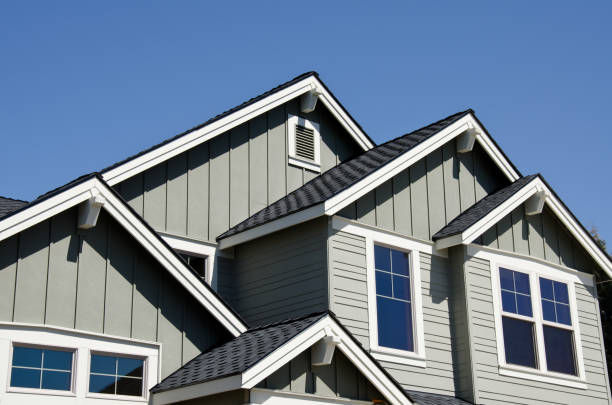
The construction of Pacific Northwest roofing requires a critical approach to the ever-present rain and humidity, moss formation, and seasonal temperature variations. The material used is also directly related to durability, energy efficiency, and long-term maintenance requirements. The performance and resilience of a roofing material, along with its aesthetic appeal, determine the choice of roofing material, so that each type may be associated with the specific environmental conditions of this region.
Understanding the Climate Demands of the Pacific Northwest
Moisture is common in the Pacific Northwest, so water resistance is a major concern when designing a roof. Rain and overcast often create conditions in which roofing materials must keep water out to prevent leaks and structural damage. The material to be used should be highly dependable in long, wet conditions.
We also take into account the effects of moss and algal growth, which thrive in shady, damp conditions. The roofing material must be biologically resistant to accumulation, thus maintaining the performance and appearance. The absence of resistance might lead to rapid surface deterioration and require frequent cleaning.
Even though small compared to other regions, temperature variations also influence the expansion and contraction of roofing materials. The materials must be strong and must be capable of resisting these minute alterations without cracking or warping. The basis of all material selections is climate compatibility.
Asphalt Shingles: Cost-Effective and Versatile
Asphalt shingles have never been far behind on the list of the most widely used roofing materials due to their affordability and flexibility. We select high-quality architectural shingles, which are more durable than standard products. When properly installed, these shingles provide good protection against moisture.
Our specialty is shingles with increased algae resistance that is critical in the Pacific Northwest. The manufacture of protective granules that inhibit moss and algae growth has been used as a high-technology manufacturing method to ensure the roof still looks the same over the years. This aspect greatly reduces maintenance needs.
Its ease of installation is another advantage, as asphalt shingles can be installed and repaired relatively easily. This will reduce labor costs and ensure the project is completed in a short period. Most homeowners may not be able to afford high-quality materials, but their cost-to-performance ratio makes them a viable option for many.
Visit to find out about How Long Do Asphalt Shinlges Last in 2026?
Metal Roofing: Superior Durability and Weather Resistance
Metal roofing is extremely long-lasting and thus well-suited to the damp climate in the Pacific Northwest. We use corrosion-resistant aluminum and steel that shed water efficiently. They are very smooth and can therefore absorb moisture, reducing the risk of leaks.
We emphasize the durability of metal roofs, which can last for several decades with minimal maintenance. Their resistance to moss and algae growth makes them even more attractive in moist climates. This long life is reflected in cost savings over the long run, despite an increase in the initial investment.
Another significant benefit is energy savings, as metal roofs reflect sunlight and do not absorb heat. This will not only ensure that indoor temperatures do not fluctuate, but also reduce energy use. Metal roofing is a better alternative due to its strength, low maintenance and efficiency.
Cedar Shake Roofing: Natural Beauty with Regional Appeal
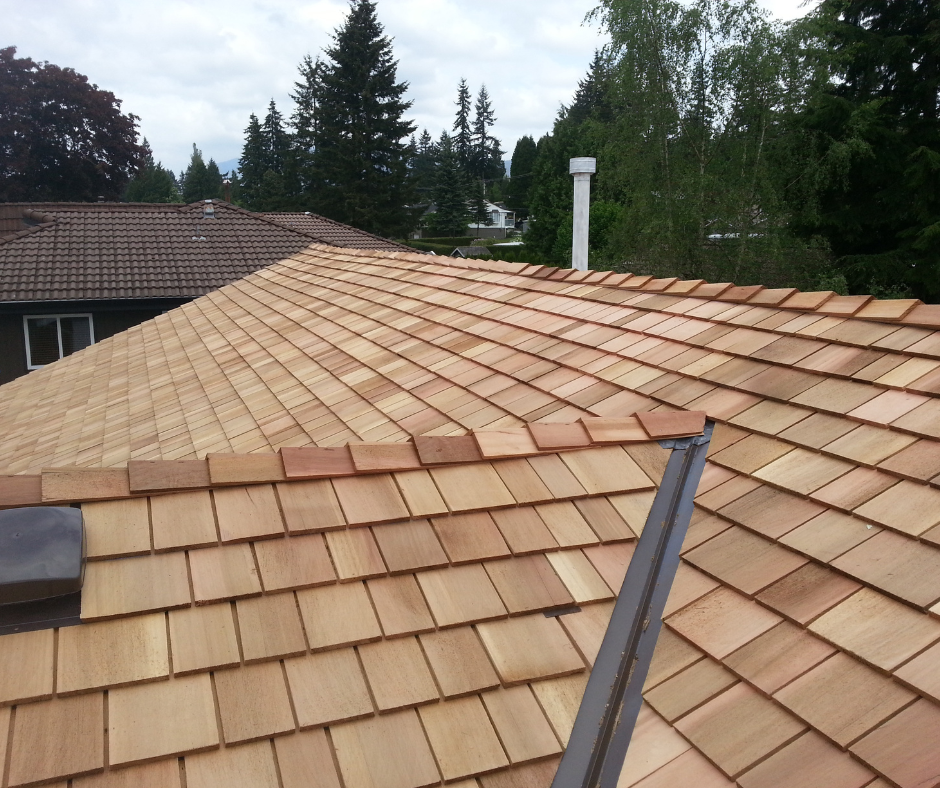
A close association exists between the Pacific Northwest and cedar shake roofing due to its relative naturalness and accessibility in the region. We apply high-grade cedar shakes that provide a high-quality, textured appearance that enhances curb appeal. This substance is harmoniously mixed with the natural environment of this area.
We ensure that appropriate treatment and care are provided to protect cedar from moisture-related issues. Wood can absorb water without proper care, leading to rot and deterioration. Regular sealing and cleaning can greatly extend the lifespan of a cedar roof.
The other advantage is its insulation properties, as cedar has natural thermal resistance. This helps regulate indoor temperatures and improve energy efficiency. Even though it requires more maintenance, the aesthetics and environmental benefits make cedar a good choice for many homeowners.
Composite Roofing: Advanced Performance and Longevity
Composite roofing materials are a blend of power and modern design versatility. Our engineered products are created to resemble wood or slate, but are significantly more resistant to moisture and weather damage. These materials are designed to perform consistently, even under extreme weather conditions.
Among the composites we prioritize are those that are mould-resistant, algae-resistant, and impact-resistant. They have superior construction that guarantees long-term performance with minimal maintenance. This makes them particularly suited for areas that receive heavy rainfall and for items exposed to the environment.
One major advantage is that composite roofs have a longer lifespan than traditional roofs. Their ability to maintain appearance and structural integrity over the long term enhances property value. It has been observed that this compromise between durability and beauty has made composite roofing one of the most progressive products on the market.
Slate Roofing: Premium Durability and Timeless Elegance
One of the most durable and aesthetically pleasing roofing materials is slate. The decision on the natural stone materials we choose is based on their unsurpassed durability and environmental resistance. When built and maintained, slate roofs can last more than a century.
The material's resistance to moisture, mould, and fire is something we take into account. Its thick structure prevents it from absorbing water, making it suitable for the Pacific Northwest's wet conditions. This resilience ensures consistent performance over decades.
Factors such as weight and installation complexity should be considered, as slate requires strong structural support. Its long life and low maintenance requirements make it a worthwhile long-term investment, even though the initial costs are high. Slate roofing provides prestige and performance.
Clay and Concrete Tiles: Durable but Climate-Sensitive
Clay and concrete tiles are durable and offer unique visual appeal, though their applicability in the Pacific Northwest should be considered. We test their performance when wet and ensure they are well installed so they do not get wet.
We are aware that these materials are heavier and may require further structural reinforcement. They are heavier for added stability, but also more complex to install. Structural integrity requires proper support systems to maintain structural integrity.
Water management is vital, as tiles should be laid with a proper underlayment to prevent water infiltration. Although they offer very good durability, their performance is very reliant on accurate installation. When managed well, they can provide some long-term effects.
Evaluating Maintenance Requirements Across Materials
Maintenance is a major factor in determining the long-term value of roofing materials. We evaluate maintenance requirements of the two options in terms of cleaning, repairs, and environmental resistance. Resources with lower maintenance needs are more convenient and cost less.
We recognize composite and metal roofing as low-maintenance because they can resist moss and algae growth. Asphalt shingles need regular check-ups and cleaning to ensure performance. Cedar shakes require more treatment to avoid moisture-related problems.
Regular maintenance schedules ensure that all materials function at their best. We also focus on preventive care to prolong lifespan and maintain appearance. Knowledge of maintenance needs helps the homeowner make informed decisions. Keep your roof one step ahead of damage and book your roof maintenance with us today before small issues turn into costly repairs.
Cost vs. Value: Balancing Investment and Performance
Cost factors are not limited only to the initial installation costs. We consider the overall lifecycle cost of each roofing material, including maintenance, repair and durability. This holistic strategy will make sure that value is quantified in the long run.
We contrast low-cost products, such as asphalt shingles, with high-quality products, such as metal and slate. Although initial prices vary widely, long-term performance tends to justify the higher initial expenditure. Durable materials reduce the need to replace them frequently.
Energy efficiency and property value also determine investment returns. Good roofing materials can increase the resale value and minimize the maintenance costs. Strategic investment will enable the roof to serve as a platform that delivers immediate and long-term returns.
Matching Roofing Materials to Home Design
The roofing materials should be appropriate and in keeping with the home's architectural style. We choose materials which help to create visual harmony and keep the performance functional. An appropriate roof fit increases curb appeal and provides a unified exterior appearance.
Color, texture, and profile are the factors that we consider when matching materials with home aesthetics. Smooth metal roofing is appropriate not only for modern houses but also for original buildings that should be shingled or covered with cedar shakes. Visual consistency adds up to visual appeal.
The customization features enable residential customers to achieve their design objectives. We ensure that material decisions are made based on individual preferences and the structure's requirements. The combination approach will lead to a functional and attractive roof.
Professional Installation and Material Performance
The performance of any roofing material depends on proper installation. We underline the need for skilled craftsmanship to ensure that materials work as intended. Even the best materials would not work when placed improperly.
We collaborate with highly skilled professionals who understand the specific needs of each material. Installation accuracy ensures proper sealing, centering, and structural reinforcement. This attention to detail enhances durability and reliability.
To illustrate this, the example of Northwest Roof Maintenance, which operates in Vancouver, WA, will be discussed in terms of the importance of expert installation to maximize the performance of different roofing materials. Professional implementation ensures that all parts work together in a coordinated manner.
Frequently Asked Questions
1. What is the most durable roofing material for the Pacific Northwest?
Metal and slate roofing are highly durable and moisture-resistant, making them well-suited to the region's climate.
2. Which roofing material requires the least maintenance?
Composite and metal roofing need little maintenance, as they are resistant to moss, algae, and other weather-related damage.
3. Are cedar shakes a good choice for wet climates?
Cedar shakes can be good, provided they are well-treated and properly maintained to avoid moisture-related problems.
4. How do I choose the best roofing material for my home?
The choice of material will be determined by climatic conditions, budget, maintenance preferences, and architectural style. A critical assessment is provided to warrant an optimum result.
Conclusion
To choose the appropriate roofing material in the Pacific Northwest, one must have a comprehensive understanding of the climate's demands, its functionality, and its overall value. Homeowners can choose materials wisely, using performance, maintenance, and aesthetic qualities as a guide, resulting in a choice that not only provides the best protection but also increases property value. A well-selected roofing system will provide long-term reliability, efficiency and attractive appearance.

Comments