
FAQs About Roof Replacement: Answers to Common Homeowner Questions
- Apr 14
- 7 min read
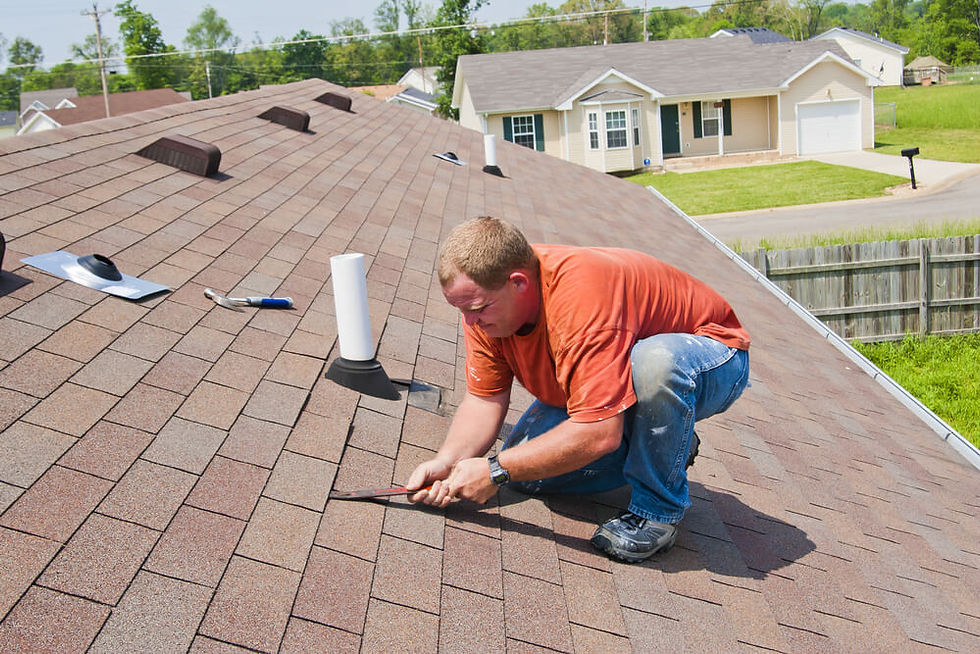
One of the biggest home improvement projects, with numerous questions, is roof replacement. It is important to know how it works, whether you have an old roof to work with, storm damage, or you are just upgrading and making wise decisions. This guide addresses the most frequently asked questions homeowners have about roof replacement, including the cost, the right materials to use, and the contractor.
1. What Signifies When I Should Change My Roof?
It is possible to provide several indicators that suggest it may be time to replace your roof. The following are some of the indicators:
Roof Age: Roofs have a life span of 20 to 30 years, depending on the material used. Your roof may need to be replaced if it is nearing or has already exceeded this age.
Shingle Damage: The loss of shingles, broken shingles, or curling shingles are indicators that your roof is no longer doing its job effectively. This may cause leaks and additional damage if left unchecked.
Leaking: If you notice water stains on your walls or ceiling, it may indicate a roof leak. Leaks that persistently occur can cause significant structural damage and must be addressed as soon as possible.
Granule Loss: When you find too many granules from your shingles in your gutters or on the ground, you know your shingles are wearing out, and you may have to replace them in the near future.
Sagging Roof: You notice the roof is visibly sagging or uneven; this may indicate structural problems that pose a safety risk.
A professional roofing contractor can also assist in deciding whether to replace by conducting a comprehensive inspection.
2. What determines the price of replacing the roof?
The roof replacement cost may range widely depending on various factors such as:
Complexity and Roof Size: The cost is largely dependent on the size and complexity of your roof. Bigger roofs require more resources and a larger workforce. Multi-level/valley/complex roof designs may also increase the final cost, as they take more time and effort to install.
Roofing Material: The cost of roofing material is largely determined by the type you use. Common materials include:
Asphalt Shingles: The cheapest of the materials, ranging between 100 and 200 dollars per square (1 square is 100 square feet).
Metal Roofing: This is costlier, costing between 300 and 700 per square, yet has more longevity and is more energy efficient.
Slate or Tile Roofing: This is the most costly roofing material, costing between 600 and 1,500 per square, because it is durable and beautiful.
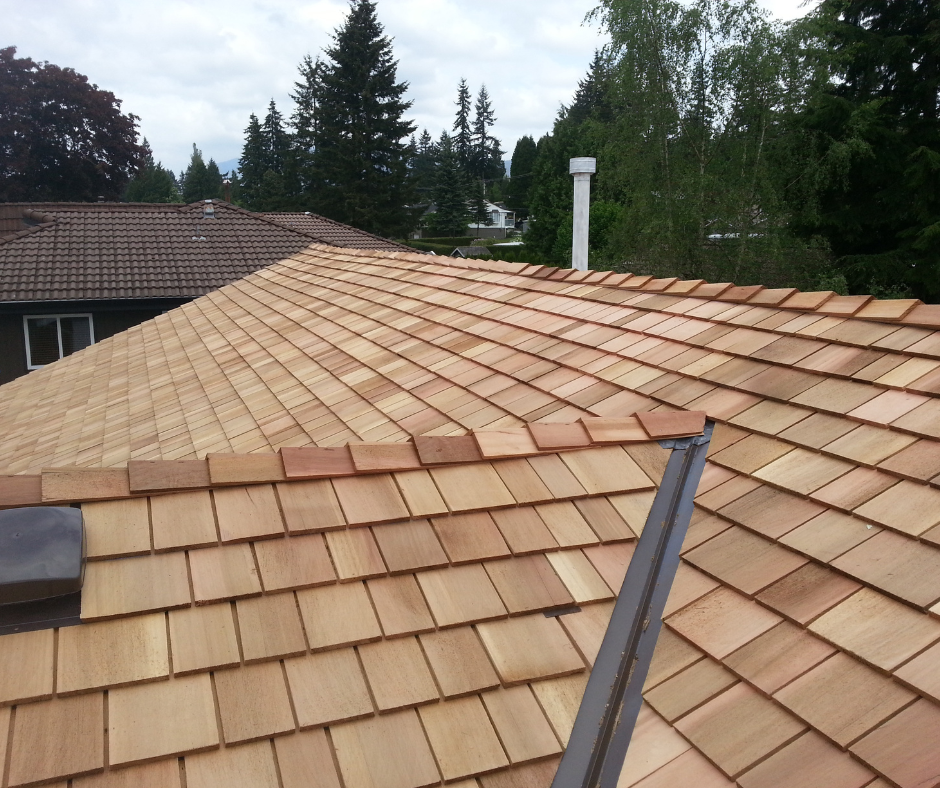
Wood Shingles: The price of these is usually in the middle range, ranging between 400 and 700 per square.
Roof Pitch:The steeper the roof, the more difficult it is to install, and the labor is also expensive. A steep pitch is more expensive in terms of safety and specialized equipment.
Labor and Permits: The cost of labor depends on the contractor's location and experience. Another factor that may increase the project's total cost is local building codes and permit fees. These are to be included in your budget.
Old Roofing Removal: If your contractor has to take down the old roofing materials, it can cost you an extra $1 or $3 per square foot. Disposing of materials is also an additional cost.
3. What is the Roof Replacement Time?
A roof replacement project takes time, depending on factors like the size of your home, the roofing material, and the weather. Roof replacement typically lasts 1 to 3 days on average. Here’s a breakdown:
Small houses or plain roofs: It usually requires one or two days.
Homes with complex roofing systems may require up to 3 days.
Weather Delays: Rain or snow may slow the project, as roofers may need to pause work due to adverse weather conditions.
When the project is underway, you should be able to obtain a rough schedule from a reputable contractor and maintain it to the best of their ability.
4. Will I be Able to Replace my Roof during Winter?
Although it is possible to replace the roof in winter, there are some challenges. The cold weather may affect the materials and the roofers' ability to work. For example:
Asphalt Shingles: Shingles may be brittle and difficult to install in cold climates. Other manufacturers advise that asphalt shingles should be installed at temperatures above 40 °C.
Frozen Ground: When the ground is frozen, roofing contractors may have problems with equipment and the disposal of old materials.
Nevertheless, skilled contractors are prepared to deal with such circumstances and can make the replacement process a breeze. Depending on where you live, i.e., in areas with severe winters, it may be best to schedule the project during the fall or spring, when the weather is more favorable for roofing work.
5. What do I do to select the appropriate Roofing Contractor?
It is important to select the appropriate roofing contractor to ensure the job is done properly. Here are some tips:
Check Credentials: Make sure that the contractor is licensed and insured. A qualified contractor will be certified and insured to cover you and their employees.
Get Multiple Estimates: Make at least three calls to contractors and obtain written estimates. This will assist you in comparing prices and the scope of work. Look out for contractors that are supplying extremely low prices because it could be a sign of low-quality material or workmanship. Choose the best services for your roofing needs.
Review References: Request past clients to provide references and review them online. Talk directly with the previous clients, asking them how good the work done was and how they felt about the contractor.
Warranties: Make sure that the contractor provides labor and material warranties. A good contractor will be able to back his or her work and materials.
Experience: Select a contractor that has a lot of experience in the roofing industry. The older the contractor, the greater the likelihood that he or she will handle any difficulties effectively and deliver quality results.
Communication: A smooth roofing project involves good communication. Select a contractor who is responsive, explains himself to you,, and keeps you updated on the process.
6. What Are the Advantages of Roof Replacement?
Re-roofing your house can help in several ways, such as:
Better Protection: A new roof provides increased protection against the elements, keeping your house dry from water, leaks, and temperature extremes.
Higher Property Value: A new roof can greatly enhance your house's curb appeal and overall value, thereby increasing its appeal to prospective buyers.
Energy Efficiency: Reflective Coatings or energy-efficient shingles can be used to reduce heating and cooling costs.
Greater Aesthetic Value: A new roof can entirely revise the appearance of your house,, giving it a modern look that matches your exterior design.
Long-Term Savings: It will save you money on repairs and maintenance in the long term by investing in a high-quality roof.
7. Is Roof Replacement Under My Insurance?
Homeowners' insurance coverage can include roof replacement in the event of covered damage (a storm, fire, or vandalism). Nevertheless, age or wear and tear are not normally covered by insurance to replace a roof. Here are some things to know:
Insurance Claim Process: In the event that your roof was destroyed by a storm or other covered event, notify your insurance company to make a claim. They will evaluate the damage and see whether the roofs need to be replaced.
Deductibles: Your insurance policy may also include a deductible, which is the amount you must pay out of pocket before the insurance covers the remaining cost.
Policy Limits: Some insurance policies have limits on how much they will cover for roof replacement, particularly for older roofs.
It can help to review your policy and discuss it with your insurance adjuster to find out what would be covered. Check out how Do New Roofs Lower Insurance Rates?
8. Can I do the Roof myself?
Although DIY is alluring, roof replacement is intricate and risky and demands professional training and experience. There are risks in trying to do a DIY roof replacement, which include:
Injury: Roofing is a risky occupation due to the use of ladders, handling heavy materials, and working at great heights without proper safety gear and training.
Leaks or structural damage are costly errors that can result from improper installation.
Absence of Warranty: If you do a DIY roof replacement and something goes wrong, you have no warranty to fall back on.
When you employ a professional contractor, he/she will perform the job safely, efficiently, and using high-quality materials.
FAQs
1. What is the life expectancy of my new roof?
The lifespan of a new roof is 20 to 50 years, depending on the material. Asphalt shingles have a lifespan of 20-30 years,, whereas metal and slate roofs are more durable, provided they are maintained.
2. Am I allowed to lay a roof over the roof?
In other instances, a new layer of shingles can be laid over the old shingles. This will, however,, be subject to the condition of the current roof. It is possible to determine whether it can be a viable option by a roofing professional.
3. What is a roof repair vs. a roof replacement?
The most common roof repair is carried out to address specific problems, such as a leak or broken shingles. Roof replacement is the process of removing the existing roof and installing a new one; it is done when the roof is too damaged or worn out to be repaired.
4. What do I need to do to prepare my roof to be replaced?
Before the contractor starts, remove all valuables or delicate objects from the attic, wrap up outdoor plants, and relocate vehicles from the driveway. The remaining should be left to the contractor.
Conclusion
Replacing your roof is an important investment in your home's safety, value, and beauty. Knowing the most common homeowner questions and concerns about the process will help you make a better decision and keep your project on track. An aging roof, storm damage, or just an upgrade to an energy-efficient roof are all reasons why you may need a roof replacement, but with the help of a professional contractor such as Northwest Roof Maintenance in Vancouver, WA, you will find a professional with expert advice and quality service to fill your roofing needs.

Comments