
Financing Your Roof Replacement: Flexible Options
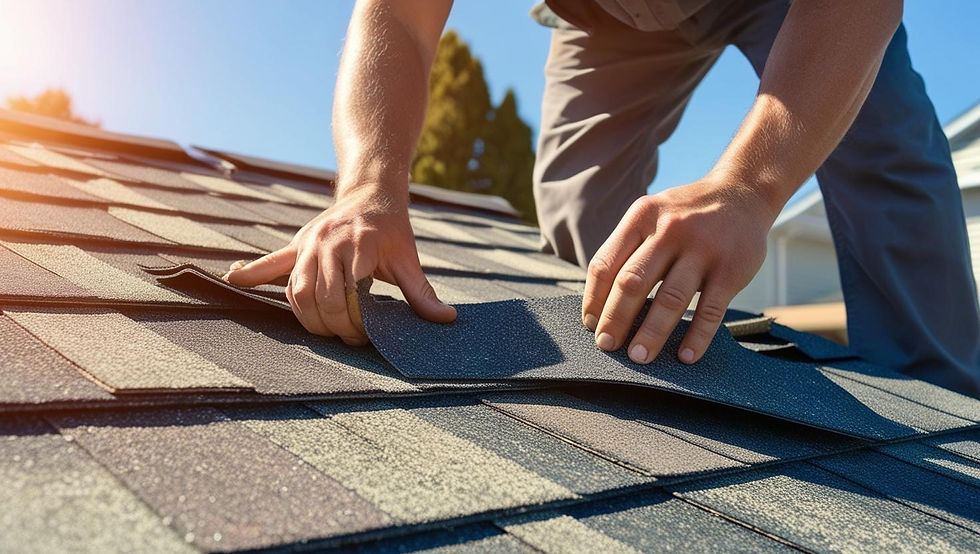
A roof replacement can be costly, but it doesn't have to be. Knowing how to
finance your roof replacement can help ease the financial burden. Whether your roof needs replacing due to damage or you simply want to upgrade, choosing your preferred payment method for roof replacement can make this expense more manageable. This northwest roofing maintenance guide will discuss some of the financing options homeowners can consider so you can choose the best option for your financial situation.
Why You Need to Finance Your Roof Replacement
Replacing a roof is crucial to ensuring your home's safety and protection. Roofs deteriorate over time due to wear and tear, weathering, and age. But roof replacements are expensive, and can be financially burdensome. This is where financing options can help.
By financing your roof replacement, you can pay for the work over time. These include loans, lines of credit, and more, each with its own set of features. It's important to be aware of the options available so you can choose the best one for you. Click to find out our latest Roof Repair and Replacement Guide 2026,.
Financing Options for Roof Replacements
Home Equity Loans and Lines of Credit (HELOC)
A common method of financing a roof replacement is by using home equity. A home equity loan (HEL) and a home equity line of credit (HELOC) are loans secured by the equity in your home, usually with a lower interest rate than unsecured loans or credit cards.
Home Equity Loan (HEL): This is a fixed-rate loan in which you receive a lump sum of money. It's suitable if you need a lump-sum payment upfront and want fixed monthly payments.
Home Equity Line of Credit (HELOC): This is a revolving line of credit, similar to a credit card, where you can borrow up to a certain amount, repay, and borrow again. It usually has a variable interest rate, which means your repayments will vary.
The benefits of both options are that they tend to have lower interest rates than other forms of financing, but they come with the risk of losing your home if you can't keep up with the loan.
Personal Loans
If you don't have sufficient home equity or simply don't want to risk your home, you can apply for a personal loan. Personal loans are unsecured, which means you don't need to put up collateral. You can obtain a personal loan from a bank, credit union or online lender.
Personal loans generally have set interest rates and repayment schedules. But the interest rates can differ, depending on your credit history, so be sure to compare rates. If you have a high credit score, you may be able to qualify for a personal loan with a lower interest rate, which can help you save money on the loan.
Roofing Company Financing
Many roofing companies offer financing plans, which can be an option for financing your roofing project. These loans are typically straightforward, with an easy application process.
Financing packages can be short- or long-term, and some will include a promotional period with low or no interest. These offers can be enticing, but be sure to carefully read all the details to understand the conditions, such as early repayment penalties and interest rates that apply after the promotional period.
Credit Cards
Paying for a roof replacement with a credit card can be an option if you have a high credit limit and plan to pay off the balance quickly. Many people choose to use their credit cards to earn rewards or cash back, but be aware of the interest rate.
Credit cards often charge relatively high interest rates, making this financing option ideal if you can pay the credit card off in full in a short period of time. If you're not able to pay off the card in a short period, you may end up paying a lot of interest, which will increase the cost of the new roof.
Government Programs
Government programs can help with roof replacement for eligible individuals. These are generally designed to assist low-income households or the elderly with home repairs and maintenance.
FHA 203(k) Loans: The Federal Housing Administration (FHA) provides 203(k) loans that enable homeowners to finance home repairs and improvements, such as roof replacements, with a government-backed loan. One advantage of this loan is that it may have a lower down payment than traditional loans.
U.S. Department of Agriculture (USDA) Rural Repair and Rehabilitation Loans: If you're in a rural area, a USDA loan may be available to assist with roof replacements. These loans are available to low-income homeowners with attractive terms.
These programs have eligibility requirements based on location, income, and needs, so be sure to check the criteria and see if you meet them.
6. Insurance Claims
If your roof has been damaged by a storm or other covered risks, you may be able to claim insurance to offset the cost of a roof replacement. Your insurance may cover some or all of the cost of roof repair or replacement, depending on your policy.
Be sure to read and understand your insurance policy and what it covers for roof replacement. For instance, your insurance company may deem that your roof is at the end of its life and refuse to cover the replacement costs. However, if your roof has been damaged by a storm and the damage has affected a large area, your insurance may cover the repair or replacement.
The pros and cons of financing options
There are pros and cons to each financing option for roof replacement. Here's a simple comparison to assist in Cimaking the right choice:
Home Equity Loan/HELOts
Risk of losing your home, can't access fu
Lower interest rates, potential tax benefnds until you have equity
Personal Loan
Collateral not required, fixed rates
May have higher interest rates, and a credit score may be required
Roofing Company Financing
Quick to apply, may have low or no interest promotions
Can have high rates after the promotional period
Credit Cards
Access to cash quickly, cash back, or rewards
High interest rates, need to pay off ASAP to avoid debt
Government Programs
Lower interest rates, help for eligible homeowners
Strict eligibility requirements, limited availability
Insurance Claims
Can reimburse some or all of the fees if damage occurs
Only applies in certain situations; some require a deductible
Frequently Asked Questions (FAQs)
1. How do I pay for a roof replacement?
Financing depends on your financial needs. Home equity loans and lines of credit have low interest but require home equity, while personal loans and roofing company financing are more flexible but don't require collateral. Government assistance and insurance claims can help if you are eligible.
2. Should I use a credit card to pay for a roof replacement?
You can finance roof replacement with a credit card, but make sure you pay it off as soon as possible. Credit cards typically have higher interest rates, so be careful to avoid getting into debt.
3. Can I get a home equity loan for roof replacement?
Home equity loans are loans secured against your home. These loans generally have lower interest rates than other loans or credit cards, but you must have home equity to qualify. You repay the loan in monthly installments over a certain time.
4. Is there government funding for roof replacement?
Yes, there are government programs such as the FHA 203(k) or USDA Rural Repair and Rehabilitation loans that can help homeowners pay for a new roof. These are aimed at low-income households or rural property owners.
Conclusion
You don't have to break the bank to replace your roof. There are numerous financing options available that suit homeowners' needs. Whether you decide to take out a home equity loan, personal loan, or seek government help, you can find a way to finance your roof replacement. Be sure to evaluate the loan terms, interest rates, and your borrowing capacity. Visit your nearest area for roof replacement services.

Comments