
How Roof Pitch and Height Affect Roof Replacement Pricing

Roofs with high pitches are much more expensive to replace. Sharp angles are less maneuverable and less safe for roofing crews than flat surfaces. Installers can stand more comfortably on low-pitched roofs, place shingles faster, and handle materials more easily.
On slopes greater than 4, workers must be secured with a harness, roof jacks, scaffolding, and other safety equipment, which greatly reduces productivity. A roofing crew can finish a low-slope roof in a small amount of time when compared to a steep roof of the same square footage. Steeper roofs need:
Additional crew coordination
Slower tear-off procedures
Better alignment of shingles
Increased safety monitoring
Obviously, these labor demands increase the project's overall costs.
Safety Requirements Increase Roofing Expenses
Roofing is still one of the most hazardous jobs in the construction industry, and steep roofs only increase the risk of slips and falls. Today's safety standards require roofing companies to implement more stringent fall protection protocols on steep or high roofs. To ensure workers' safety during system installation, contractors need to purchase harness systems, anchors, scaffolding, guardrails, and safety training programs.
All these safety measures are necessary, but because they add to the total bill, they are also an operational cost. Higher roofs pose more problems because the crew has to do more with their hands and carry materials to higher heights. The costs of multi-story homes can also be high due to the need for specialized ladders, cranes, or material lifts.
Additionally, roofing companies with adequate insurance coverage must pay higher premiums for steep or elevated roofs, as they are exposed to greater risk.
Roof Height Directly Affects Installation Difficulty
The replacement price is highly dependent on a home's height, as it can be more challenging and logistically more difficult to replace a house at a higher elevation.
Single-story houses are typically simpler and less costly to replace, as roofing materials and debris are closer to ground level. Contractors can transport and set up machinery more efficiently and install it in less time.
Two-story and three-story homes take longer to coordinate and take longer to build:
Material delivery
Debris removal
Equipment setup
Worker access
Safety compliance
The added elevation will slow all steps in the roofing process.
In hilly or uneven areas, accessibility can complicate construction, further increasing costs. Unique roofing conditions associated with challenging property configurations may require specialized scaffolding or other staging equipment to ensure safe roof installation.
Material Waste Increases on Complex Roofs
Steeper, taller roofs can be more complex and may require more extensive design, generating more waste during installation.
Valley roofs, dormer roofs, intersecting roofs, skylight roofs, and roofs with sharp angles require extra cutting and customization of shingles or roof panels. These cuts generate additional waste that contractors must account for when estimating material quantities.
Roofing materials installed in a simple roofing layout are laid efficiently on the roof, with minimal waste. Many complex rooflines require more person-hours and materials, as installers spend more time measuring, trimming, and fitting products around architectural features.
The steep roof angles can also lead to higher overage requirements because the steepness can make installation more difficult, requiring the installer to ensure proper alignment and water shedding across the entire roofing system.
Roof Pitch Affects Material Selection
Some roofing materials are more suited for certain roof pitches. This can have a major impact on replacement costs generally. The flat, low-slope roof surface can present challenges for using traditional roofing materials, as these materials either don't shed water well or require engineering to do so.
For lower-pitched roofs, membrane roofing, modified bitumen, or standing-seam metal roofing are common material selections, and these materials are often more expensive than traditional asphalt shingles. Flatter roofs can use materials that are more wind-resistant and durable.
The most common roofing materials for steep roofs are:
Architectural shingles
Synthetic slate
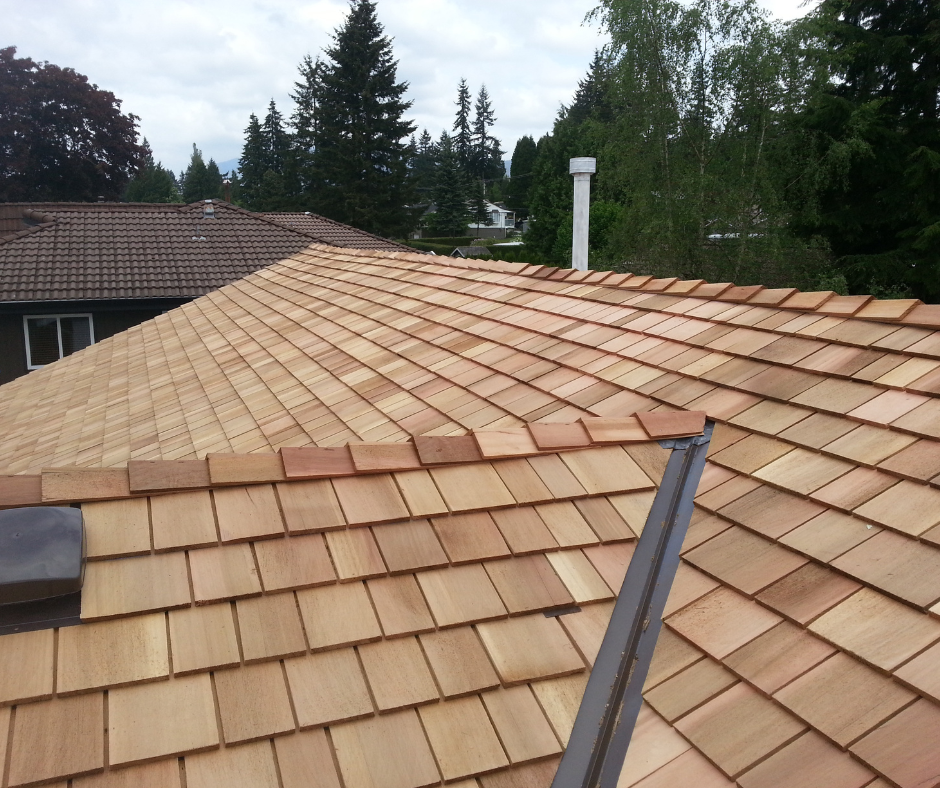
Cedar shake
Standing seam metal
Difficult installation conditions, premium materials, and more are all responsible for higher project costs. When it comes to roofing contractors, they are careful to consider pitch because they know they can run into water runoff issues if the wrong roofing material is used on a certain slope.
Weather Conditions Become More Challenging on High Roofs
Steep roofs and high houses can experience a significant increase in wind exposure. Installing roofing systems can be challenging at high altitudes, especially in harsh weather. Working at height is often more challenging for roofing crews, particularly in unpredictable weather.
Roofs high in the air generate stronger wind gusts, which can affect worker safety and installation speeds. Windy conditions also pose a problem for roofing materials, especially lightweight underlayments and shingles.
Steep roofs may need extra layers of waterproofing and a higher pitch—sophisticated flashing systems in areas with frequent rain or temperature fluctuations help them last longer.
In areas prone to moisture and humidity, roofers are well aware that their high roofs are more susceptible to installation delays and material-handling issues.
Roofing Equipment Costs Rise With Height and Pitch
Elevated roofs with steep pitches may require specialized equipment, increasing project costs.
Roofing contractors will require:
Hydraulic lifts
Material hoists
Extended scaffolding
Debris chutes
Stabilization systems
These tools have helped make things more efficient and safer, but have also increased labor and equipment expenses.
Some larger houses, and those with difficult access, might even need cranes to safely carry heavy loads to the roof. Slate and tile are premium roofing products that are often heavy and require specialized equipment for transport and installation. The more complex the roof structure, the higher the investment required for operations and the project's return rate.
Learn more about What Effects the Price of a New Roof?
Multi-Story Roofs Take Longer to Replace
One of the biggest cost factors in roof replacement projects is time. Taller homes and steeper roofs just take longer to build. Simple activities like relocating shingles, sweeping up litter, or moving equipment take longer on elevated structures.
The longer the project goes on, the more will be spent on:
Labor hours
Equipment rentals
Dumpster usage
Safety oversight
Material staging
Steep or elevated roofs may be more affected by weather-related interruptions, as crews may need more time to safely secure materials during storms or high winds. When it comes to the roof, homeowners frequently see large price gaps between neighbors with no connection to the type of roof materials, but only to the accessibility and complexity of the structure.
Insurance and Liability Costs Are Higher
The roofing contractor is held to a higher standard when working on steep or elevated roofs. These projects are considered to be riskier because they have a higher potential for incidents and accidents.
This means that if you're looking for a roofing company that will take on a challenging job, you'll find that they have more insurance and workers' compensation policies.
These costs are important in raising estimates, but they also safeguard homeowners against any potential legal and financial liability.
While hiring uninsured or underinsured contractors may save on upfront costs for a short time, an accident during installation creates significant liability exposure.
These safeguards are also included in professional roofing companies' pricing, since safety and compliance remain crucial for business operations.
Architectural Design Influences Roofing Complexity
Additionally, many steep-roof houses feature custom architecture, which will increase replacement costs.
Some of the amenities that are typically found in luxury homes are:
Multiple roof peaks
Decorative gables
Complex valleys
Large dormers
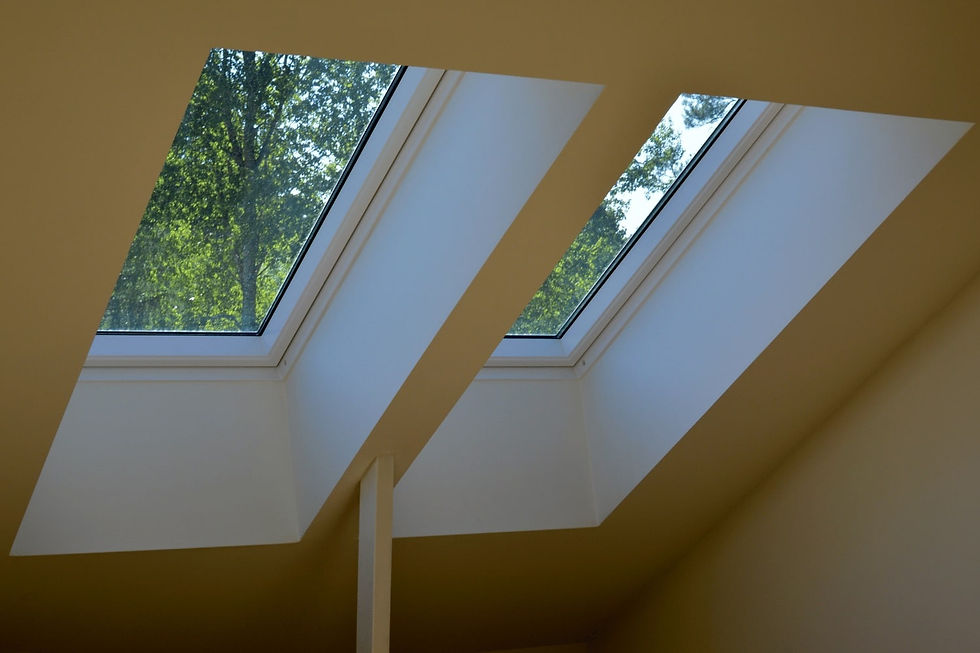
Integrated skylights
All the features need extra waterproofing, flashing, and fitting accuracy to prevent leaks later.
More complex roof designs also require more skilled roofing crews capable of managing intricate setup details. Moisture can easily penetrate walls and ceilings if they aren't installed properly, leading to structural damage.
When a professional roofing company, like Northwest Roof Maintenance in Vancouver, WA, performs an inspection, it’s important to note that there is a lot they’ll focus on because things such as roof design can make a world of difference when it comes to the labor needed for the job as well as the performance of the roof over the long term.
Roof Accessibility Plays a Major Role in Pricing
The other important aspect related to roof height and slope is accessibility. If the driveway is too small, the side yard is too narrow, or there are other landscaping restrictions, it will be much harder to deliver materials and remove debris. Difficult access can also increase labor or workforce requirements, as it makes moving materials to the site more difficult than usual.
Steep roofs with surrounding trees, or those on hillside properties, can complicate logistics and make projects more time- and labor-intensive.
Access to the roof is a primary factor that can influence the efficiency of the contractors working on the job, thereby influencing its final cost.
Frequently Asked Questions
Why do steep roofs cost more to replace?
Steep roofs will take longer to install, require more skilled labor, take longer to build, and require more safety equipment and risk management, all of which lead to higher costs.
Does a two-story house cost more to reroof?
Yes. Higher levels and increased safety precautions, labor demands, and material delivery issues result in higher replacement costs.
What roof pitch is considered steep?
Roofs with a pitch of 9/12 or higher are typically steep, requiring special safety precautions during installation.
Can roof pitch affect material choices?
Yes. Some roofing materials are better suited for certain slopes. Low-slope roofs can be more complex, requiring specialized waterproofing systems, whereas steep roofs may accommodate a wider variety of high-quality roofing materials.
Conclusion
The roof pitch and roof height are two important factors that greatly influence the cost of replacing a roof, as they affect labour, safety, and installation time, as well as material handling and project complexity. Steeper and taller roofs require specialized equipment, advanced roofing techniques, and roofing crews capable of working safely and efficiently on them.
Homes with complex roofs usually have higher replacement costs; however, it must be installed on these roofs for long-lasting durability and weather protection. Equating skills, high-quality materials, and full compliance with safety standards yields better roof performance, reduced maintenance issues, and stronger structural protection for years to come. Visit your nearest area for the best roof replacement services.

Comments