
How to Choose The Right Roofing Contractor
- May 6
- 8 min read
One of the biggest investments that a homeowner can make is the roof. Whether you are replacing a roof, repairing storm damage, or installing a new roofing system, the contractor you choose will impact the roof's durability, appearance, and functionality. If a roof isn't installed correctly, it can lead to leaks, structural damage, mold growth, energy loss, and costly repairs that can last for years.
When selecting the best roofing contractor, price isn't the only factor. Before agreeing, homeowners need to consider experience, licensing, artistry, communication, warranties, and local reputation. Today, there are numerous roofing contractors available who can assure you of high-quality work; however, only experience can ensure they deliver the artistry you deserve and the protection you need.
Verify Proper Licensing and Insurance
One of the first things homeowners should check before hiring a roofing company is whether the company is licensed and insured. A good roofing company will be licensed in the state and be able to offer a license verification upon request. Proper licensing demonstrates the contractor's adherence to local regulations, building codes, and professional standards required for roofing services.
Roofing is a high-risk job, and they must also be insured. Contractors should have general liability insurance and/or workers' compensation insurance. Homeowners insurance covers liability, and workers' compensation applies to any accidents or injuries that may occur while working at the site. Uninsured roofers pose a significant risk for homeowners, both legally and financially.
Look for Local Roofing Experience
It is best to hire a roofing company with extensive experience in the area. Another important factor when hiring a contractor is the weather – a contractor who is knowledgeable about the area will know that weather can pose problems for a roofing system, such as heavy rainfall, moisture accumulation, moss growth, strong winds, and temperature fluctuations. The roofing system should be constructed with materials and methods appropriate for wet environments in the PNW.
Local roofing companies also typically have a reputation in the community. They're more likely to maintain long-term customer relationships and respond promptly to warranty issues after installation. The contractors who have been around longer and have experience in the area will also have more knowledge of local building codes, better relationships with local suppliers, and greater familiarity with the roofing materials that work best there.
Review Roofing Certifications and Manufacturer Credentials
The other important factor to consider when choosing roofing contractors is the manufacturer's certification. Often, roofing manufacturers certify products only for contractors who have undergone special training and meet artistry requirements. These certifications are proof that the contractor has experience installing specific roofing products in accordance with the manufacturer's instructions.
Also, certified roofing contractors can offer better warranties than non-certified contractors. This additional protection might provide homeowners with peace of mind and lasting protection. Companies can keep their contractors up to date on the latest roofing technologies, advanced waterproofing systems, and installation tips by training them with manufacturers.
Evaluate Roofing Reviews and Reputation
Adverse customer feedback and online reputation can be important indicators of a roofing company's trustworthiness and professionalism. When seeking home contractors, homeowners should check with Google reviews, social media pages, local directories, and the Better Business Bureau ratings. Customer feedback can be used to identify customer communication patterns, project quality, timelines, and customer service.
Positive reviews are a constant among strong roofing contractors, reflecting their punctuality, professionalism, cleanliness, and artistry. It is important to take time to read the entire set of reviews, both positive and negative, to gauge how contractors handle customer concerns. A company with a long track record and positive online reviews is more likely to be trusted than one with a limited online presence and inconsistent ratings.
Ask for Recent Roofing References
A good roofing company should have a record of recent projects it can refer you to. Conversations with past customers help homeowners gain insight into a contractor's craftsmanship, professionalism, and dependability. Ask questions about the project's duration, communication, cleanup, and overall satisfaction to help the homeowner make an informed decision.
If possible, homeowners should also ask to view recently completed roofing jobs to assess the quality of the work. Firsthand experience with installation work provides insight into the quality of artistry, the appearance of materials, and attention to detail. When a contractor knows he has done a good job, he will be glad to show it to others and have them look at the completed projects.
Request Detailed Written Estimates
An estimate for a roof replacement should be comprehensive and include all project elements. By breaking everything down to the smallest detail, homeowners can compare estimates from contractors and avoid any unexpected expenses. Details of the materials, labor, underlayment replacement, flashing replacement, ventilation improvement, cleanup, warranty and estimated time frames should be provided in a full quote.
General or incomplete estimates can lead to miscommunication and additional costs when the job begins. If contractors refuse to provide written documentation, this should raise concerns. The clear, precise estimates convey professionalism and communicate to the homeowner what to expect from the roof installation project.
When selecting roofing material, ensure a thorough comparison is conducted.
Roofing materials come in many types, each with varying strengths, waterproofing, and durability. An experienced roofing contractor should be able to provide the homeowner with information on the advantages and disadvantages of different roofing systems and recommend systems that fit the budget and climate.
Compare Roofing Materials Carefully
Not every roofing material has the same longevity, durability, or weather resistance. A qualified roofing contractor should not only know the pros and cons of various roofing systems but also assist homeowners in choosing the right roofing products for their environment and budget.
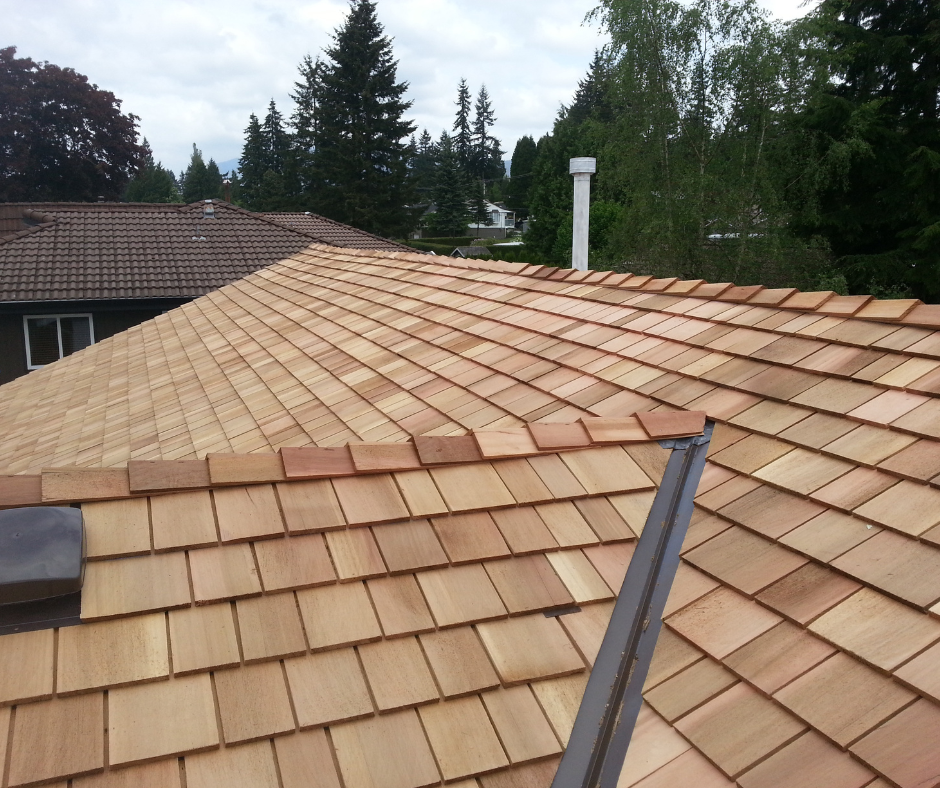
While metal roofing is extremely durable and water-resistant, asphalt shingles are relatively inexpensive and perform well. A natural roofing method is cedar shakes, which offer beauty but are maintenance-intensive in wet climates. The premium durability comes at a cost of requiring structural reinforcement due to the tile's weight. These differences are important for homeowners because they allow them to make better long-term investments.
Understand Roofing Warranties
Roofing warranties are a key factor in protecting homeowners after installation. There are two types of roofing warranties: manufacturer warranties and artistry warranties. The manufacturer's warranties cover defects in the roofing materials, and the artistry warranties cover defects in the installation.
Before entering into contracts, homeowners should review the warranty terms and conditions. Some factors to consider are warranty duration, transferability, and warranty and maintenance coverage. Generally, contractors who provide good artistry warranties are confident that they are performing their roof installation work well and that the roof will last.
Avoid Extremely Low Roofing Bids
The lowest roofing price quote may lead to other expensive issues in the future. Very low offers can indicate poor-quality materials, unskilled labour, or incomplete installation. Some contractors purposely lowball jobs and then tack on hidden fees while they are building.
Low-cost contractors may also neglect critical elements such as flashing replacement, waterproofing systems, and/or ventilation improvements. A roofing system protects the entire house, so the quality of its installation matters more than the initial price tag. Don't hire a contractor just because their price is the lowest.
Evaluate Communication and Professionalism
One of the best ways to assess a contractor's project management approach is through their communication. Professional communication is one of the best ways to see the way a contractor approaches projects. The roofing contractors are responsible for answering questions promptly and clearly, and for providing a clear explanation of the project process, materials, and timelines.
Communication issues during the estimate stage can lead to misunderstandings and delays at work. The homeowner should feel at ease voicing concerns and having the contractor's attention to their expectations. Documentation, quick response and professional demeanor are all signs of a contractor who cares about customer satisfaction.
Ask About Roof Ventilation and Waterproofing
In areas with high moisture content, proper roof ventilation and waterproofing are extremely important for the roof's long-term performance. For experienced roofing contractors, it is advisable to assess attic ventilation and balance, moisture buildup, and airflow before installing the roofing system.
To prevent moisture infiltration and damage, modern roofing systems often require a ridge vent, soffit vent, synthetic underlayment, and an ice-and-water shield membrane. Inadequate ventilation can shorten roof lifespan, increase energy costs, and promote mold growth. Properly ventilated and waterproofed homes are less likely to require costly repairs in the future, so it is important to hire a contractor who prioritizes these features. Book your roof maintenance service with us today.
Understand the Roofing Timeline
A trustworthy roofing contractor should be able to provide an accurate estimate based on roof size, material availability, labor scheduling, environmental conditions, and any required structural repairs. Asphalt shingle roof replacement takes one to three days, depending on the chosen system; more complex options, such as metal or tile roofing, may take longer.
Homeowners must also discuss any weather delays, the scheduling of material deliveries, daily cleanliness expectations, and the final inspection before work starts. The more you communicate your schedules, the more likely you are to avoid confusion and keep projects running smoothly.
Inspect Cleanup Procedures
When replacing roofs, a large amount of debris is generated, including nails, shingles, flashing, wood waste, and packaging waste. A good roof installation company should include a detailed cleanup plan in the contract.
Usually, proper cleanup involves magnetic nail removal, debris removal, driveway protection and final property inspections. If cleaning isn't done properly, landscaping may be damaged, there could be safety issues, and homeowners could be disappointed with the finished product. A clean site is a sign of professionalism and attention to detail on the contractor's part.
Prioritize Long-Term Roofing Value
The best roofing contractors always focus on long-lasting roof performance, not short-term cost savings. A professionally installed roof system will improve energy efficiency, moisture protection, storm resistance, and overall property value. Thousands of dollars in future repairs may be avoided by investing in experienced roofing professionals.
Homeowners in Washington are turning to Northwest Roof Maintenance for roofing solutions designed for the unique conditions in the Pacific Northwest and permanent roof protection.
Warning Signs of an Unreliable Roofing Contractor
Any homeowner who gets roofing quotes from companies that ask for substantial upfront payments, refuse to provide any documents containing the written contract, don't have any documentation showing proof of insurance, or exhibit any form of "salesmanship" that's too intense should be warned against hiring these home roofing contractors.
Trusted roofing organizations are transparent throughout the entire project. They are clear in their communication, give clear documentation, and back up their work. Early warning signs can help homeowners avoid problems such as scams, substandard installations, and costly disputes.
Why Contractor Selection Matters
A roof installation directly affects the durability and longevity of the roofing system. Any roofing material, no matter how high-quality, can fall short if it is not properly installed. Rooftop protection of structural framing, insulation, electrical systems, interior finishes, and personal property from water intrusion and weather damage is provided when a roof is properly installed.
An experienced roofing contractor can guarantee a well-sealed roof, proper flashing, balanced ventilation, and manufacturer-recommended installation techniques. Hiring a reputable roofing contractor ensures the roof performs better, maintenance expenses are minimized, and the property is protected for the long haul. Check out our latest guide about How to Choose the Right Roofing Contractor.
Frequently Asked Questions
How do homeowners know if a roofing contractor is legitimate?
Honest roofing companies display licensing details, insurance coverage, written estimates, references, and warranty information before starting any roofing project.
Should homeowners choose the cheapest roofing estimate?
The lowest bid may be for a roof that lacks all roofing elements, including ventilation improvements, flashing replacement, or a waterproofing system. The lowest initial price is less important than long-term value and installation.
How long should a roofing contractor's warranty last?
An artistry warranty is a term offered by many professional roofing contractors, and the time period can range from a few years to lifetime coverage, depending on the roofing system and the contractor's policy.
What questions should homeowners ask roofing contractors?
When hiring a contractor, make sure to ask about licensing, insurance coverage, warranties, roofing materials, project timelines, cleanup procedures, and references for previous projects.
Conclusion
Experience, licensing, insurance, quality of work, communication, warranties, and reputation are all factors to consider when selecting the appropriate roofing contractor. A roofing system installed by a professional will provide a home with protection from moisture, structural damage, weather damage, and costly repairs down the road.
Homeowners who value quality installation, trusted roofing expertise and years of value will bolster their roof's performance, enhance energy efficiency, increase property value, and provide years of protection. Visit your nearest area for the best roof repair services.

Comments