
How to Find a Roof Leak
Meta Description: Water stains on your ceiling? Learn how to find a roof leak before it causes serious damage quickly.
Have you ever spotted a small stain on your ceiling and thought, “That’s weird… where did that come from?” Maybe you brushed it off at first. But then it got a little darker. Maybe a bit bigger. And suddenly you’re wondering if it’s just a one-time thing—or the start of a much bigger problem.
Roof leaks usually don’t make a dramatic entrance. They start quietly. A faint watermark. A slightly musty smell in the room. Maybe even a small patch of mold that seems to appear out of nowhere. And before you realize it, that small issue has turned into something that needs real repair.
If you live in Vancouver, WA, this is even more common. The long, wet seasons here can slowly wear down even a solid roof. That’s why catching a leak early matters more than most people think. Let’s walk through how actually to find a roof leak, what causes it, and what you can do before it gets worse.
What Causes Roof Leaks in the First Place?
Roof leaks rarely happen overnight. Most of the time, they build up slowly, and you only notice them once the damage becomes visible inside your home.
One of the most common reasons is simply age. Over time, shingles go through a lot—rain, sun, temperature changes. Eventually, they start to weaken, crack, or curl. Once that protective layer is compromised, water can start slipping through.
Storms are another big factor. Strong winds can lift shingles or even tear them off completely. After a heavy storm, it’s not unusual for leaks to show up near roof valleys or edges where water tends to collect.
Then there’s flashing—the material placed around chimneys, vents, and skylights to keep water out. If flashing is poorly installed, rusted, or slightly shifted, it creates an easy entry point for moisture.
Gutters also play a bigger role than people realize. When they get clogged with leaves or debris, water has nowhere to go. Instead of draining away, it backs up and seeps under your shingles or along the roof edge.
And in colder months, ice dams can form. Snow melts, refreezes at the edges, and traps water behind it. That trapped water eventually finds its way under the roof surface. None of these issues seem huge on their own—but over time, they add up.
Early Signs You Might Have a Roof Leak
Sometimes leaks are obvious. You might see water dripping during a storm or even a small puddle forming. But more often, the signs are subtle.
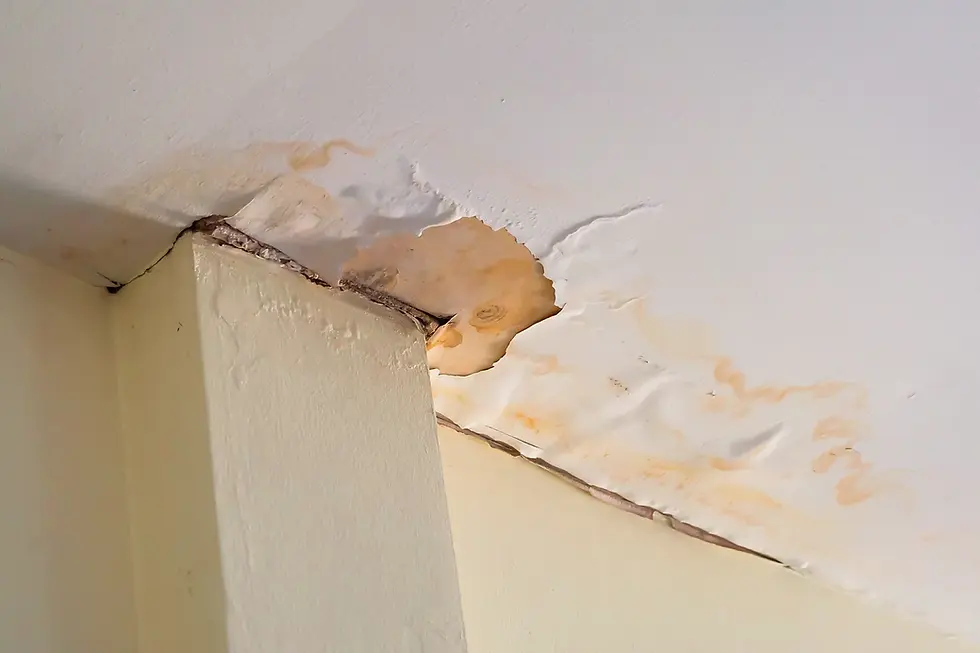
One of the first things people notice is a yellow or brown stain on the ceiling. These stains often show up around vents, skylights, or along the path where water travels from the attic. A musty smell is another clue. If a room, especially one below the attic, starts to smell damp, it could mean moisture is building up somewhere it shouldn’t be.
You might also notice paint bubbling or peeling during rainy weather. That usually means water is getting behind the surface.
And don’t forget to check outside. Missing, cracked, or curling shingles are often a clear sign that your roof is vulnerable. The key is not to ignore these small warnings. They’re usually the first hint that something bigger is happening behind the scenes. Contact us to know about the indication about roof leaks.
Start Inside: Check the Attic First
Before you even think about climbing onto the roof, start inside your attic. It’s one of the easiest and safest ways to track down a leak.
Take a flashlight and look around carefully. Pay attention to the insulation—does it feel damp in certain spots? That’s often where water is coming through. Look at the wooden beams and rafters. Dark streaks or stains usually mean water has been there for a while. If you see mold, that’s a sign the problem isn’t new.
If it’s raining, this is the perfect time to check. You might actually catch water dripping or running along a beam. Interestingly, water doesn’t always fall straight down—it often travels along wood before dropping, so the source might be a little higher up. And one more thing if you notice daylight peeking through the roof boards, that’s a direct path for water as well.
Common Places Where Roof Leaks Start
Some areas of your roof are just more prone to leaks than others. Flashing around chimneys and vents is a big one. These spots are designed to seal gaps, but if the flashing cracks or shifts, water can easily slip through.
Roof valleys, where two slopes meet, are another trouble area. These sections handle a lot of water flow, so if shingles are worn or debris builds up, leaks can develop quickly. Loose or missing shingles are an obvious risk. Even a single damaged shingle can expose the layers underneath.
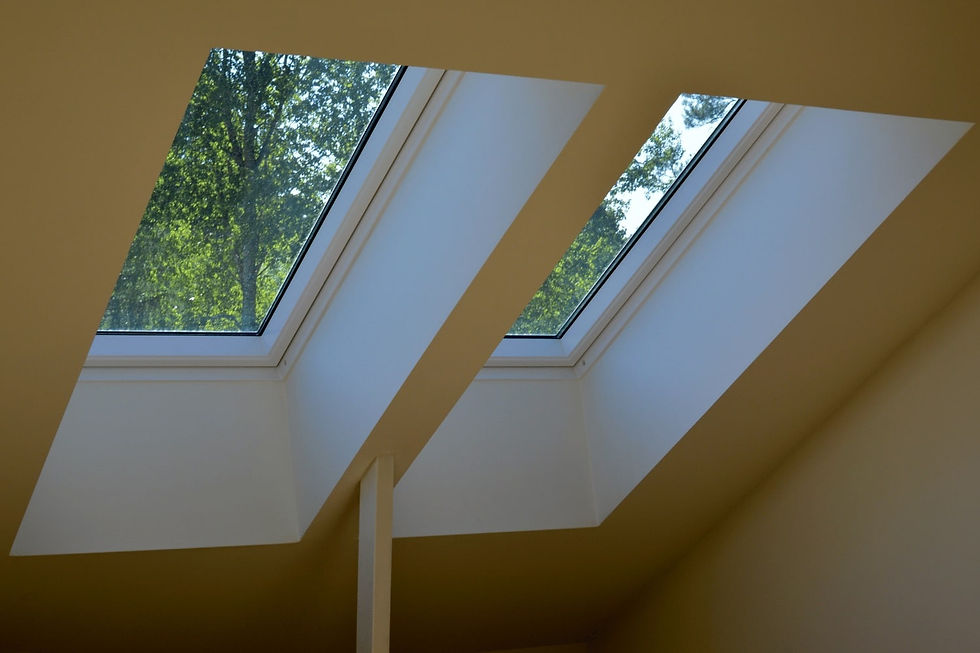
Anything that sticks out of your roof, like skylights or vent pipes, is also more vulnerable. The seals around these areas can wear out over time. Knowing where to look makes a big difference. It saves you from guessing and helps you focus on the most likely problem spots. Contact us for roof leak repair services.
Checking the Roof from the Outside
You don’t always need to climb up to spot an issue. Sometimes, just stepping back and looking at your roof from the ground can tell you a lot.
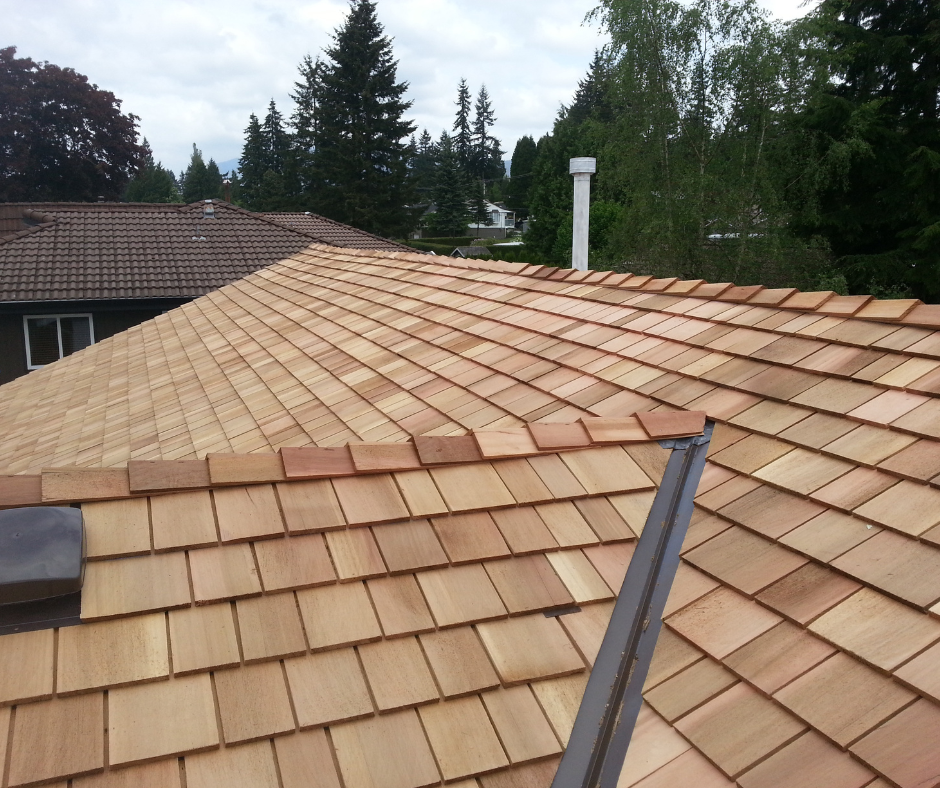
Look for shingles that appear uneven, lifted, or damaged. Pay attention to areas around chimneys and vents, those spots tend to wear out faster.
If you can safely use a ladder, take a closer look. Check for rusted flashing, debris buildup in valleys, or water pooling in certain areas.
Also, take a look at your gutters. If they’re clogged or overflowing, that water has to go somewhere, and often, it ends up under your roof. Visit your nearest area for roofing repair services.
Can’t Find the Leak? Try the Water Test
Sometimes everything points to a leak, but you just can’t find where it’s coming from. That’s when a simple water test can help.
Grab a garden hose and have someone stay inside the attic with a flashlight. Slowly spray one section of the roof at a time, starting from the bottom and working your way up.
Give each section a few minutes. Don’t rush it, sometimes it takes a bit for water to show up inside. Your helper should watch for drips, damp spots, or any sign of water coming through. Once they spot it, you’ve likely found your leak. It’s a simple method, but surprisingly effective.
How to Handle a Leak Right Away
If you’ve found a leak and it’s still raining, your first goal is to limit the damage.
Place a bucket or container under any drips. If water is spreading, use a tarp or plastic sheet to protect your floor or furniture. If you can access the attic, you might be able to apply roofing tape or a temporary patch from the inside. It won’t fix the problem permanently, but it can slow things down.
From the outside, covering the area with a tarp can also help, just make sure it’s secured properly. These are short-term solutions, but they buy you time until you can arrange a proper repair.
How to Prevent Roof Leaks in the Future
A little maintenance goes a long way when it comes to your roof. Cleaning your gutters regularly is one of the easiest things you can do. It prevents water from backing up and causing damage.
Trimming overhanging branches helps reduce debris buildup and protects your roof during storms. It’s also a good idea to schedule a yearly inspection. Small issues like cracked flashing or loose shingles are much easier (and cheaper) to fix early.
And if you notice worn-out components like vent boots or flashing, don’t wait. Replacing them early can save you from a bigger repair later.
When It’s Time to Call a Professional
Sometimes, it’s just better to bring in an expert. If you’ve checked everything and still can’t find the source, or if the damage looks widespread, a professional inspection is the safest option.
Leaks can be tricky. What you see inside isn’t always directly below the problem area on the roof. That’s where a trusted company like Northwest comes in. Our team helps homeowners in Vancouver, WA, identify leaks accurately and fix them before they turn into major repairs.
Whether it’s damaged shingles, faulty flashing, or something less obvious, we focus on finding the real cause—not just patching the symptoms.
Final Thoughts
Roof leaks are one of those problems that are easy to ignore at first, but they rarely stay small. What starts as a tiny stain can turn into mold, structural damage, or costly repairs if left unchecked.
The good news is, if you catch it early, most leaks are manageable. A quick inspection, a little maintenance, and knowing what to look for can make all the difference. And if you’re ever unsure, getting a professional opinion can save you time, stress, and money in the long run.
FAQs
How do I know if my roof is leaking?
Look for consistent signs like water stains, musty smells, or dripping during rain. These usually point to a roof issue rather than something like plumbing.
Can I fix a roof leak myself?
Small issues can sometimes be managed temporarily, but permanent repairs are usually best handled by professionals.
How much does it cost to fix a roof leak?
It depends on the severity, but minor repairs can cost a few hundred dollars, while larger issues may cost more.

Comments