
Rolled Roofing vs Shingles in Vancouver WA
- Mar 8
- 7 min read
Updated: Mar 31

Meta Description: Not sure which roofing option to pick? Explore rolled roofing vs shingles and find the right choice for your Vancouver, WA home.
The question that households in Vancouver, Washington, consider most when deciding whether to replace their roof or build a new one is: Should I use rolled roofing or asphalt shingles?
The choice does not appear difficult, yet the Pacific Northwest climate makes the roofing choices particularly important. The rainfall and moisture accumulation are common in Vancouver, WA, with occasional windstorms. Because of this, the roofing material you choose should withstand wet weather and keep your home safe in the years ahead.
Rolled roofing and shingles are both commonly used roofing materials, but they serve entirely different purposes. The most common type of roofing for low-slope buildings, such as sheds and garages, is rolled roofing, whereas shingles are the most frequently used roofing material in residential houses.
We are going to detail the variations in rolled roofing and shingles, their cost, durability, modes of installation and their functionality in the weather conditions of Vancouver, WA in this guide released by Northwest Roofing. At the end, you will be in a good position to know the option that is best suited to your home.
What Is Rolled Roofing?
Rolled roofing is a roof material installed in large rolls rather than in individual pieces such as shingles. Normally constructed from asphalt-saturated or modified bitumen, it is suitable for low-sloping or flat roofs.
Since it is low-cost and easy to install, the rolled roofing is mostly applied on buildings like:
Garages
Storage sheds
Workshops
Small additions
Outbuildings
Rolled roofing can provide adequate protection against weather elements such as rain and sun for homeowners who require a simple, affordable roofing option.
Nevertheless, it is rarely used on primary residential houses because of their lack of aesthetic appeal and limited shingle lifespan.
Installation Process of Rolled Roofing
The relatively fast installation process is one of the greatest benefits of the rolled roofing. Supported by a large patch of roofing in a roll, as opposed to shingle tile repair which have to be applied one piece at a time, rolled roofing is applied over the entire roof surface in large strips.
The installation of a rolled roofing consists of the following steps:
Preparing the roof surface
The current roof deck should be cleaned and inspected to ensure a smooth base for the material to be applied.
Underlayment or roofing cement Application
Installing underlayment or using adhesive to enhance waterproofing may be done, depending on the type of rolled roofing the contractor installed.
Application of roofing material
The roofing rolls are well lined and spread across the roof.
Sealing overlaps
The areas translated by sections are closed to prevent water infiltration.
Securing the edges
The material is fixed with nails or adhesive.
On smaller structures, most rolled roofing installations are completed in a single day.
Nonetheless, rolled roofing is generally recommended only for roofs with a slope of 2:12 or less, which limits its use to most residential houses.
Durability and Lifespan
The appeal of rolled roofing is that it is an inexpensive roofing material, albeit with a tradeoff of durability.
Rolled roofing has a life cycle of 5 to 10 years under normal weather conditions, depending on the quality of installation.
Because the material is installed in the form of a single layer, it is more susceptible to:
Cracking
Peeling
Punctures
Water leaks
In Vancouver, WA, which experiences year-round rainfall, moisture can accelerate the wear of rolled roofing materials.
This is why periodic inspection and maintenance may be essential if you decide to use rolled roofing on a building on your premises. Visit your nearest area for roofing repair services.
Learning about Asphalt Shingle Roofing
Types of Shingles
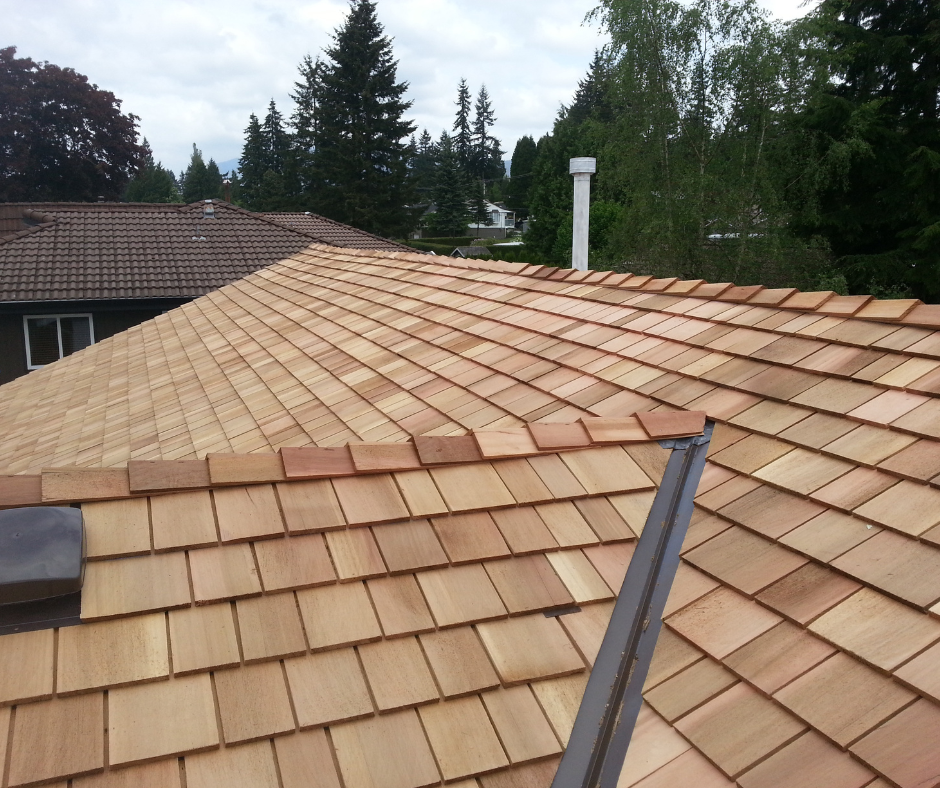
The most widely used roofing material in residential houses within the Pacific Northwest and Vancouver, WA, is Asphalt shingles.
The many styles and durability options are one reason shingles have become so popular.
Most popular ones are:
Three-tab shingles
These are the least expensive kind of asphalt shingles. They are flat and offer minimal weather protection.
Architectural shingles
These shingles are more dimensional, thicker, and layered, making them more durable.
Shingles are made of composite or synthetic materials
These sophisticated shingles are made of engineered materials, which make them more durable and resistant to weather damage.
Shingles also come in a variety of colors and textures, allowing homeowners to match their roof to their home's design.
Shingle Roofing Part I-Installation
The process of installing asphalt shingles has more steps than installing rolled roofing, though the final product offers greater durability and waterproofing.
Normative shingle roofing installation will consist of:
Roof deck preparation
The roof deck is checked and mended by the contractors where needed.
Installing underlayment
Coverings to avoid water infiltration are enveloped on the deck. The inclusion of drip edges and starter strips. These elements help ensure that water moves away from roof edges prone to damage.
Shingles are installed in overlapping rows
The shingles are placed at the bottom and then formed upward to create a waterproof system.
At Northwest Roofing, we ensure that all shingles on the roof are installed in the proper position to withstand Vancouver's wet climate. Contact us if you are interested to know about the life span of your shingles roof.
Durability and Lifespan
The lifespan of shingles is one of its greatest benefits.
While rolled roofing has a lifespan of less than 10 years, asphalt shingles can last for many years.
The normal ranges of lifespan are:
Three-tab shingles: 15 to 20 years
Shingles of architecture: 25-30 years.
Premium shingles: up to 40–50 years
Shingles are also designed to resist wind, rain, and temperature changes, making them a better option for residential houses in Vancouver, WA.
When well-maintained and properly installed, shingle roofs can last for decades.
Difference between Rolled Roofing and Shingles
In comparing rolled roofing and shingles, several factors stand out.
Durability
Shingles are much more resilient than rolled roofing. The stratified structure enables them to lose water easily and is weather-resistant.
The rolled roofing, on the other hand, is thinner and more easily worn.
Appearance
The rolled roofing is plain and flat in appearance and only fits well on utility buildings, not on houses.
Shingles are available in a wide range of colors and designs, making them highly appealing for curb appeal.
Installation
Rolled roofing is quicker to install because it comes in large sheets. Shingles are more time-consuming to install and make a more effective roof system.
Lifespan
The life of rolled roofing is approximately 5 to 10 years, and that of shingles may be 20 to 40 years or more, based on the type.
Cost
Rolled roofing is usually cheaper in the short run; however, its shorter lifespan could lead to more frequent replacements.
Shingles are more expensive to buy, and in the long term, they can be more valuable.
Cost Comparison
This is because an individual can understand the cost difference between rolled roofing and shingles, enabling them to plan their roofing project more effectively.
Approximate costs include:
Rolled roofing
Total cost of materials: $1.50 - $4.50 per square foot.
Labor cost: lower
Lifespan: 5–10 years
Standard asphalt shingles
Material price: $3.00- $6.50 per square foot.
Labor cost: moderate
Lifespan: 15–30 years'
Architectural shingles
Material cost: $4.50 - $8.50 per square foot.
Labor cost: higher
Lifespan: 25–50 years
Despite the lower cost of rolled roofing in the short run, many homeowners find that shingles are more beneficial in the long term because they are more durable and require fewer maintenance procedures. Contact us for shingles and tile repair service.
Vancouver WA Climate Concerns
The climate of Vancouver, WA, significantly influences the choice of roofing material.
The region experiences:
High precipitation occurs during most of the year.
High humidity levels
Moss and algae growth
Occasional strong winds
Rolled roofing does not perform well in such circumstances, as standing water might be present on a low-slope roof.
Shingles, however, are designed to shed water naturally because of their layered structure.
Algae-resistant coatings are also being applied to many modern shingles to deter the growth of moss that is common in the Pacific Northwest.
For these reasons, shingles are typically the roofing material of choice for residential houses in the region.
Best Practices of Installation of Homes in Vancouver
Vancouver, WA experiences heavy rainfall; therefore, roofing work should follow best practices to prevent moisture damage.
The recommendations of professional contractors are usually:
Installation of an underlayment that is moisture-protecting.
Employing the right flashing of chimneys and vents.
To avoid condensation, ensure the roof is well ventilated. The addition of drip edges will direct water off the roof.
Northwest Roofing is one of the companies that properly scrutinize a roof's slope and structure before advising on the most suitable roofing material.
The material is less important than proper installation for protecting your home from water damage.
Environmental Consideration
Other requirements some homeowners consider when buying roofing materials include environmental impact.
Asphalt shingles can be recycled very easily and may be used as the material in the construction of roads.
The materials used in rolled roofing are not easily recyclable and are more likely to end up in landfills.
Also, many commercial shingle products are currently energy-efficient, which improves home insulation and helps reduce energy costs.
What Is the Best Roofing Construction to Use in Your Home?
Your needs will finally determine the correct roofing material.
It is possible that rolled roofing would be appropriate when:
It is a low-sloped roof structure.
It is a garage or shed roofing.
The major issue is the budget.
Shingles should preferably be used when:
You desire a long-term life span.
Physical looks and house prices are important.
The majority of homeowners in Vancouver, WA, prefer asphalt shingles because they offer better weather resistance and greater longevity.
Northwest Roofing: Schedule a Roof Inspection
Deciding between rolled roofing and shingles can be challenging, particularly when trying to balance cost, durability, and long-term performance.
A professional roof check-up would help identify the type of material to use for your roof structure and the weather conditions in your area.
Northwest Roofing assists homeowners in making informed choices about roofing systems throughout the city of Vancouver, WA. Our team offers sound advice and skilled labor, whether it is a replacement roof, a roof upgrade, or any other roofing work on a new building or house.
During Vancouver's rainy seasons, you can plan to avoid expensive roof repair services and keep your house safe.

Comments