
Roof Color Trends: How to Choose the Right Look to Boost Curb Appeal
Updated: Apr 22

When it comes to improving your home's exterior, few changes are as significant as choosing the right roof color. The roof also protects your house and significantly contributes to its overall appearance. A roof that complements the home's architectural design and integrates with other features can greatly enhance your home's curb appeal.
It is both exciting and overwhelming when you are choosing the right color for your roof, whether you are building a new house, replacing an old roof, or just considering a change. In this case, we will discuss the latest trends in roof color and offer suggestions for selecting the most appropriate roof color to enhance your home's curb appeal.
Knowing the Effect of Roof Color.
One of the first things that visitors see when they come to your home is the color of your roof. It establishes the mood of the entire exterior and coordinates with other features such as siding, trim, windows,, and landscaping.
A roof color that is too contrasting with the rest of the home's exterior may make it look disjointed, whereas a complementary color can bring it all together, creating a cohesive, inviting appearance.
The color of your roof not only influences your house's aesthetic value but also its energy efficiency. Light colors, such as whites and light grays, reflect more sunlight, reducing the amount of heat absorbed by the roof and keeping your home cooler.
Darker color, however, is more likely to absorb heat and, as a result, can help in cooler weather but can also lead to higher cooling expenses in warmer weather.
Popular Roof Colors in 2026
1. Charcoal and Slate Gray
The use of charcoal and slate gray roofs has gained popularity for their classic, elegant appearance. These colors are compatible with most forms of architecture, such as modern, contemporary, and traditional houses. Gray roofs are a neutral, subdued backdrop that pairs well with a variety of siding colors, from pastel to earthy. They also go well with the stone or brick fronts.
Gray roofs are also easy to maintain in addition to being aesthetically pleasing. Its color conceals dirt and debris, and it is a good option for homeowners in areas with frequent storms or dust. You can go with a smooth slate gray or a more textured charcoal finish, but this color offers a polished, timeless appearance.
2. Bold Black Roofs
The black roof is a bold statement and is commonly identified with the modern, industrial-style houses. Nevertheless, one should consider the house's overall design and climate before deciding on a black roof. Although black roofs are classy and stylish, they are more prone to heat absorption than other roof colors and may not be the best choice in hot climates where energy savings are a consideration.
Black roofs can be paired with lighter-colored walls, creating a high-contrast effect that adds depth and drama. It is a great match to the modern or minimalist houses, where a bold and edgy look is sought. For a more traditional or rustic appearance, one can use a black roof with wood siding or brick for an amazing contrast.
Contact us for roof maintenance and moss treatment services.
3. Warm Brown Tones
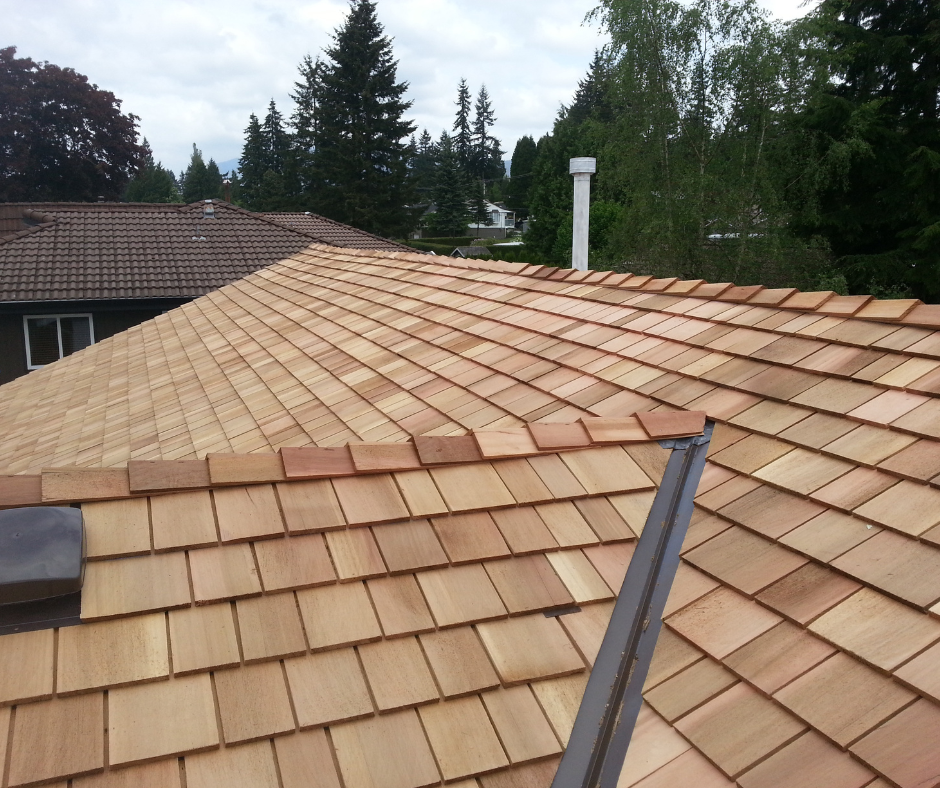
Another classic option that suits both traditional and modern homes is brown roofs. Browns like chestnut, walnut, and reddish-brown can provide a warm, cozy look to a home's exterior.
These roofs are particularly effective with earth-colored siding, e.g., tan, beige, or cream. Brown roofing can create a natural appearance that harmonizes with the environment, particularly in forested or rural regions.
Another advantage of brown roofs is their versatility. They fit well with a variety of architectural designs, such as Colonial, Craftsman, and Cape Cod. Moreover, brown is a neutral hue and is not as easy to reveal dirt and grime as light colors; it is a convenient option for homes prone to dust and debris.
4. Light and Cool Roof Colors.
With increased awareness of energy-saving measures among homeowners, light-colored roofs are becoming popular. Beige, light gray, and white roofs are the best at reflecting sunlight and helping keep the house cooler in hot weather.
These roofs are especially effective for houses with coastal, Mediterranean, or cottage-style construction. The lightest possible roofs can create a breezy, relaxed atmosphere that enhances your home's curb appeal.
Besides being energy-efficient, light-colored roofs can lighten a home's exterior, making it seem larger and more welcoming. White and light gray roofs should be used on houses with a modern or Scandinavian style, as they give a minimalist appearance.
6. Roofs of Copper and Terracotta.
Copper and terracotta roofs are among the most beautiful, making buildings more unique and eye-catching. These colors make a home warm and sophisticated, and can be a good choice of colors in a Mediterranean or Spanish-style home.
Durable and timeless, copper roofs provide a graceful, traditional appearance that develops a unique green patina over time, making them both durable and environmentally friendly.
Terracotta roofing, often associated with traditional Spanish and Mediterranean architecture, adds an earthy touch to the home. These roofs are especially effective with stucco or adobe facades and are designed to blend in with the surrounding environment. The softness of copper and terracotta also matches green scenery, and this would suit the houses in regions with hot temperatures.
Considerations in Selecting a Roof Color
Although the modern trends provide numerous choices, it is crucial to pay attention to several aspects when deciding to select the appropriate roof shade to your house. The following are some of the main points to consider:
1. Architectural Style
The architectural design of your house should be one of the factors that influence the roof color. For example, a modern house could suit a smooth black or gray roof, whilst a traditional house could suit a warm brown or red roof. Think of the color of the roof and how it will fit into the total design and character of the house.
2. Climate
Climate is a critical factor in determining the most suitable roof color for your home. Hot weather conditions are more suitable to lighter colors since they reflect sunlight, thus making the home cool. Darker colors, however, suit cooler climates, since they absorb heat and can be used to keep the home warm during winter.
3. Neighborhood and Surroundings
Consider the beauty of your neighborhood and the environment. You desire your roof color to be a part of the rest of the houses in the neighborhood, but at the same time to stand out in a refined manner. In case you reside on the seashore, such as light-colored roofs may be more suitable. A wooded or rural setting would benefit from a brown or green roof, adding beauty to the scenery.
4. Roof Material
The roof color may vary depending on the roofing material. Asphalt shingles, metal, clay tiles, and slate all have unique textures and finishes that can influence the appearance of color. Also, make sure to select a roof color that complements your choice of material. Check out our latest Roof Repair and Replacement Guide 2026.
5. Long-Term Durability
When choosing a roof color, consider how it will look over time. Some colors may fade or discolor faster than others, particularly in areas with a lot of sunlight. Make sure to select a color that is long-lasting and will continue to look the same in years to come.
How to Select the Correct Roof Color for Your Home?
Selection of the appropriate roof color requires careful thought. Begin by analyzing the architectural design of your house, the surrounding environment, and what you like. Feel free to experiment with colors, but do not forget to envision the roof color as part of the whole of your home.
It is also advisable to talk to roofing experts like Northwest Roof Maintenance in Vancouver, WA, who can provide professional advice on choosing the best color for your home's specific needs.
FAQs
1. What color of the roof will be the best color for my house?
Inquire about the architecture of your home, the landscape around your house, and your own taste. You may also use online tools or consult a roofing expert to see various color choices.
2. Do dark roofs cost more energy?
Admittedly, dark-colored roofs can retain more heat, thereby increasing cooling costs in hot regions. But even in colder climates, they might come in handy because they help conserve warmth.
3. Do lighter-colored roofs pay off in terms of energy efficiency?
Yes, lighter roofs reflect sunlight, and this can make your home cooler and may save you on cooling bills in hot climates.
4. How many years can my roof color last?
The lifespan of your roof color is determined by the roofing material, the climate, and the quality of the materials used. The color may last for many years with high-quality materials and proper maintenance.
Conclusion
The right roof color can make a significant difference in your house's overall appearance. Bold and modern or warm and natural, you will find the color that matches your style and fits in with the rest of your home. When you consider factors such as the architectural style, neighborhood climate,, and aesthetics, you can make an informed choice that will not only enhance your home's curb appeal but also improve its energy efficiency and long-term value. Visit us to experience the best roofing services near you.

Comments