
Should I Repair or Replace My Roof?

The choice between a roof repair and a full replacement can be the toughest decision a homeowner makes. At face value, a single leak or some missing shingles might seem like they only need a quick repair. Underlying structural issues, old materials, and the sheer volume of damage make a full roof replacement the more cost-effective long-term investment. The decision became even more critical in 2026 due to climbing material prices, changing weather patterns, and longer-lasting roofing products.
Homeowners don't want to waste money replacing a roof that could still have another life, yet they also don't want to keep sinking money into recurring repairs that don't address the core issues with their roofing system.
When it's time to decide, you need to consider your roof's age, structural soundness, the level of damage, ventilation performance, and the long-term value of the investment. Homeowners can safeguard both their property and their finances by being aware of potential issues and accurately assessing their roof.
Understanding the Difference Between Roof Repair and Roof Replacement
A roof repair involves treating the affected area without removing or installing any part of the existing roofing system. Repairs will often include patching any holes, replacing individual missing shingles, sealing roof leaks, or making minor corrections to flashing, but the remainder of the roof is left intact.
A full roof replacement will involve stripping the roof, removing any previous roofing material, and installing new underlayments and other roofing products. Roof replacement often includes any required structural repairs, improved ventilation, and a new flashing system. Repairs are typically less costly upfront, but replacements offer a long-term solution to problems in your roofing system when the roof is nearing the end of its effective life.
Roof Age Is One of the Biggest Factors
The age of the roof is often the first thing roofing contractors evaluate during inspections. Most roofing systems have predictable lifespans depending on material quality, installation standards, climate conditions, and maintenance history.
Average roof lifespans include:
Roofing Material | Typical Lifespan |
3-Tab Asphalt Shingles | 15–20 Years |
Architectural Shingles | 25–30 Years |
Metal Roofing | 40–70 Years |
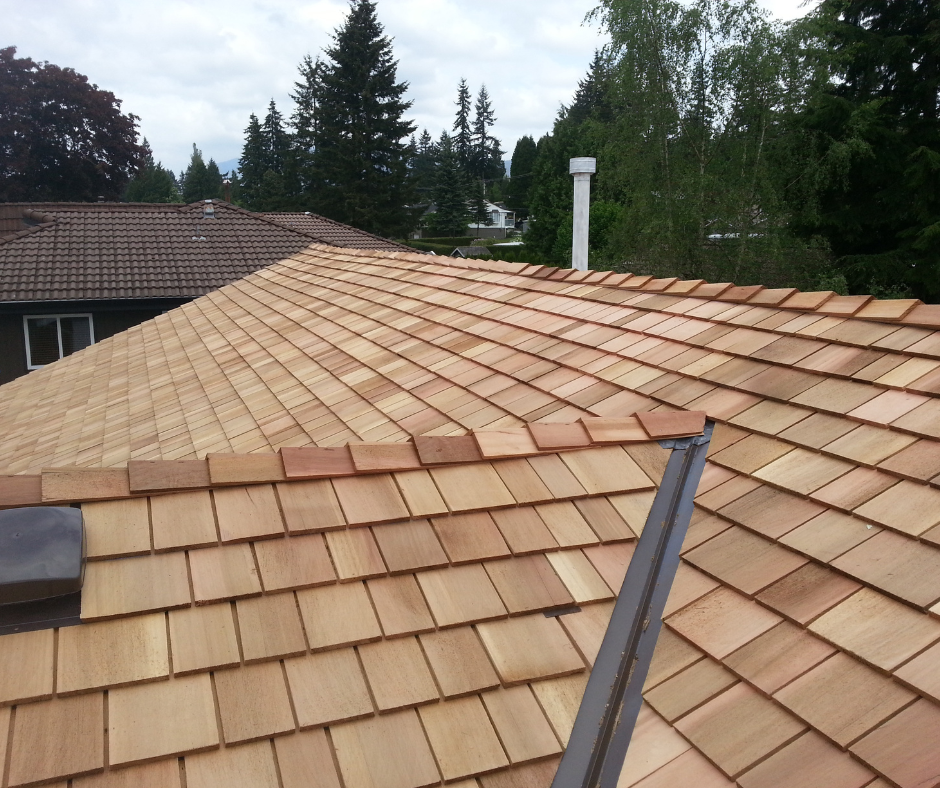
Cedar Shake | 20–35 Years |
Slate Roofing | 50–100 Years |
A relatively new roof with isolated damage is usually a strong candidate for repair. However, roofs approaching the end of their expected lifespan often benefit more from replacement because additional problems are likely to develop soon afterward. Continuing to patch an aging roof may eventually cost more than investing in a complete replacement solution.
Minor Damage Often Can Be Repaired Successfully
Most roof problems can be repaired at little expense, especially if they are simple and caught early. Some common roofing problems that can be repaired include Storm damage and loose shingles.
Minor leaks
Isolated wind damage
Damaged pipe boots
If the rest of the roof structure is still structurally sound, repairs will restore its ability to protect your family from the elements.
You must not allow your family or home to be exposed to further water infiltration from a leaking roof, because if water can find its way in and remain inside your roof structure and home for long enough to cause damage there is risk of; rot damage of roof decking, mold colonies throughout your entire attic structure and home, water damage to other interior areas of your home, structural failure of the entire house. Your roofer should be able to determine whether your roofing damage is merely an isolated event or the beginning of your roof's total failure.
Widespread Damage Usually Signals Replacement
If an entire roof structure has been compromised over large areas of your home, it can be very difficult to repair. A badly damaged roof covering a large part of your home is usually quite old. It is likely suffering from structural weaknesses, even if it only appears to be the case in one specific area. Continuing to repair old structures just puts it off for longer. Evidence that the roof should be replaced rather than repaired includes: signs that replacement may be necessary.
Widespread shingle curling
Extensive granule loss
Multiple active leaks
Sagging roof sections
Severe moss or algae growth
Rotting roof decking
Homes experiencing repeated roofing issues year after year usually benefit more from replacement than continuous patchwork repairs.
Roof Leaks Are Not Always Simple Problems
A leaking roof structure is often not limited to a specific location; it may indicate a larger underlying problem within your roof. Water has been seeping under your roof structure unnoticed; it can be difficult to assess the extent of the damage until it shows up in your ceiling. Then, it becomes quite possible that the roof structure and decking below is also badly damaged, along with any attic structure and vent system below.
Recurring leaks in many areas of your home, or several severe leaks, may indicate a total structural failure of the roof. Mold colonies may already be forming in the roof's surrounding structures, especially in damp or humid environments. A competent roofing professional must correctly identify the problem to distinguish between a simple issue, such as a leak at the pipe boot on your roof, and a much larger system-wide problem.
Repair Costs Can Add Up Quickly
In many cases, when the cost of a roof repair is compared with the cost of installing a new roof, the repair option can end up costing much more overall. Homeowners who continually need repairs to an old roof structure also tend to have continuous leaks, damaged interiors, inefficient heating, and structural saturation.
Trying to economize by continually repairing an old, damaged roof makes no sense given the total cost of a new roof. Installing a new roof may, in some cases, even increase a home's efficiency and its resale value. The roof repair may need to account for existing ventilation problems. Attic ventilation is very important for the longevity of the roof and home efficiency.
Ventilation Problems Affect Repair Decisions
Without adequate ventilation, your home's roof structure will begin to rot and mold; consequently, investing in repairs will be fruitless until this problem is adequately addressed. Although the roof structure will likely not be repaired unless all other repairs have been properly carried out, replacement and improved ventilation will make far more sense financially.
Typical signs of poor ventilation include: a roof structure where the shingles are wearing prematurely; a wet or misty attic space; freezing at the edges of the roof and dripping, in winter; condensation within the attic structure, or mold within the attic structure; and greater expense in both the heating and cooling bills.
When considering roof repairs for an old house, it is not appropriate to spend money on repairs unless the home's ventilation is adequately addressed, as this will eventually require a whole new roof and a better ventilation system, such as soffit and ridge vents.
Storm Damage Can Change the Equation
Storm Damage Can Shift the Decision. Severe weather conditions are often a catalyst for repair versus replacement. Depending on the nature of hail, wind, falling debris, and the severity of the storms, damage can extend to the shingles, flashing, gutters, and even the structure. In such cases, where only isolated damage occurred and the roof is new, repairs can be a cost-effective solution.
If, however, the roof is old and can't withstand severe impacts, repairs simply may not be adequate, prompting an insurance recommendation for replacement. Often, wind-driven rain causes hidden water damage that can be challenging to detect during a visual inspection alone, and a thorough inspection following a severe storm is critical.
Click to find out about Storm Resistant Roofing.
New Roofs Improve Energy Efficiency
The most overlooked benefit of a roof replacement is increased energy efficiency. Old roofs often lack modern, energy-efficient materials and a well-ventilated design. During a roof replacement, a homeowner can install materials such as a reflective roof, a moisture barrier, adequate ventilation, compatible insulation, and waterproof underlayment.
All of these help reduce heating and cooling costs and enhance comfort year-round. Newer roofing systems function as integrated energy-efficient assemblies rather than merely the outermost layer. Many homeowners planning to live in the same house long-term look forward to saving money on the replacement and to receiving a more efficient structure.
Property Value and Curb Appeal Matter
Replacing an old roof can significantly enhance curb appeal and increase property value. Prospective buyers view an old roof as an expense and a potential liability, since replacing it is a costly undertaking.
Newer roofing systems typically make homes more attractive to buyers and sell more quickly. An old, repair-covered, mismatched, or worn-down roof may deter buyers, even when it technically functions.
The aesthetic appeal of a new roof can give buyers peace of mind about the structure's long-term protection. Homeowners with an older roof and plans to sell in the near future could even see a greater return on investment with a replacement than with continued repairs.
Timing Matters More Than Most Homeowners Realize
Deferring roof replacement will lead to far more expense down the road than it is worth. Water intrusion can travel to the attic insulation, drywall, electrical wiring, and supporting structure. By deferring replacement, water intrusion can spread to those structures, potentially resulting in costs significantly higher than the initial replacement.
Homeowners can save money in the long run by having more choices for roofers, materials, and scheduling. Emergency roof failure is almost always associated with severe weather conditions. Contractors' availability decreases, and costs increase when homes need emergency roof repair.
Professional Inspections Provide Clearer Answers
Visually inspecting your roof can be deceptive, as you can't see damage on the roof's interior.
Professional roof inspections can diagnose the condition of shingles, the roof structure, moisture damage, ventilation problems, flashing, and the roof's remaining lifespan. Expert roofers can detect issues invisible to the layperson and determine whether repair is viable or replacement offers better value in the long run.
Services like those provided by Northwest Roof Maintenance in Vancouver, WA, can determine whether you need targeted repairs or a complete roof replacement that benefits your home and future. It can save the homeowner money and aggravation by avoiding being tricked into replacements and by avoiding money spent on temporary repairs that won't hold.
Repairs Work Best for Younger Roofs
Targeted repairs are often the best solution when there is isolated damage, the roof is new, and in good structural condition, the ventilation system is performing adequately, and leaks are small and localized. Well-maintained roofs with many years remaining often benefit from targeted repairs. Addressing potential issues early will prevent a small leak from affecting the entire structure. Routine maintenance can significantly extend a roof's lifespan.
Frequently Asked Questions
How do I know if my roof needs to be replaced rather than repaired?
Your roof probably needs to be replaced rather than repaired if there is a large area of damaged shingles, multiple leaks, a droopy section of the roof, old age and wear, or the structure itself is failing.
Is it cheaper to repair a roof or replace it?
Repair costs are cheaper in the short term, but continually repairing an old roof will soon cost more than replacing it altogether.
How long should a roof last before it needs to be replaced?
Most asphalt shingle roofs last 20 to 30 years, though this varies significantly by material, climate, ventilation, and roof care.
Can a leaking roof always be repaired?
No. Leaks can result from structural failure or extensive damage, necessitating a complete roof replacement to ensure ongoing protection.
Conclusion
Deciding whether to repair or replace a roof depends on the roof's age, condition, and longevity. Although simple, isolated damage can be adequately repaired with targeted repairs, widespread wear or consistent problems often necessitate replacing the roof as a whole. An expertly fitted roof not only protects against damaging moisture but also reduces long-term replacement costs, increases the house's energy efficiency, and enhances its overall value. Visit your nearest area for the best roof repair services.

Comments