
The Cost of Replacing Plywood and Rotten Roof Decking
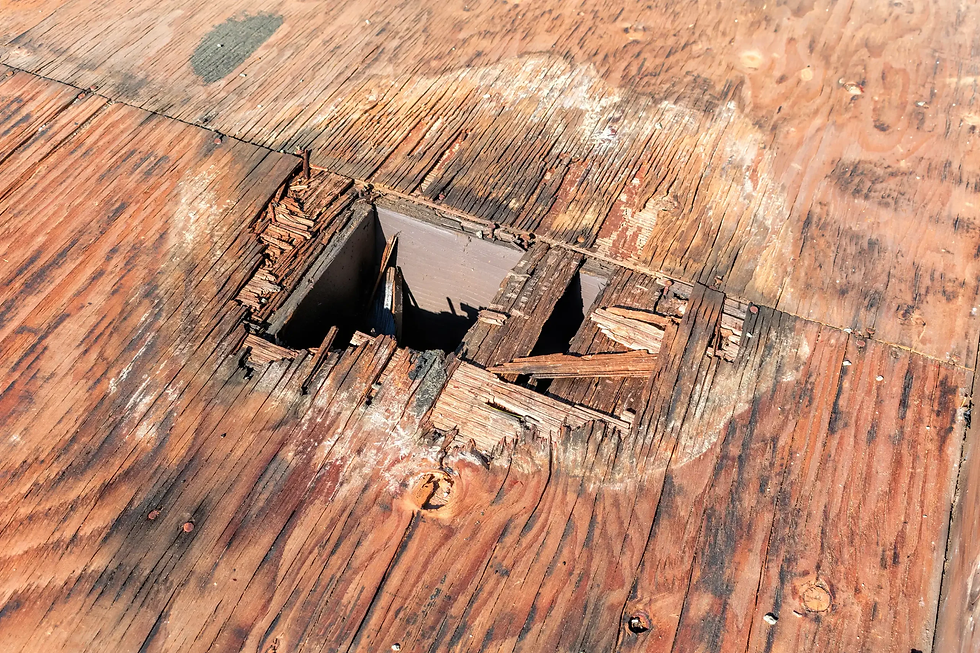
The decking or sheathing of your roof structure is one of the most critical pieces of your entire roof. The decking forms a base to which your shingles are applied, and it helps support weight across your rafters and braces your structure against heavy snowfalls and high winds.
When your plywood or the remaining roof decking rots, it has to be replaced. But it never simply costs as much as replacing shingles. Oftentimes, what seems like a small roof repair can quickly turn into an expensive structural repair when contractors see the damage rot has caused beneath the shingles. Estimating the cost to replace your decking can give you a more realistic idea of your roof replacement cost.
Why Roof Decking Replacement Becomes Necessary
Roof decking often rots due to years of moisture saturation, inadequate attic ventilation, or leaky shingles that go unrepaired. If moisture seeps into your entire roof system from above, it can begin to saturate the plywood, which, over time, can weaken the structure.
Rot may develop in the plywood, causing it to delaminate. It is not uncommon for homeowners to be unaware of damage like this until the shingles have been stripped and the rotted material begins to crumble.
Contractors may find soft spots in the roof structure when walking the roof or notice sagging areas. When you see this, it's already time to replace it, as it's not repairable. Other structural problems that can cause decking failure are:
Storms that severely damage your roof, allowing water to enter the roof system
Roof leaks caused by damaged or missing shingles or improper flashing
A lack of attic ventilation causes moisture to build up over time
The age and wear on the roof decking material
Infestation of wood-boring insects
The longer any of these issues go unnoticed, the greater the cost of repairing the roof decking will be.
Average Cost of Replacing Roof Plywood
Replacing roof decking can be one of the more complicated roof repairs you may experience. Homeowners will usually see costs ranging from medium to high per square foot, depending on roof size, the amount of decking to be replaced, and the current level of structural damage.
You will typically pay for materials and labor for your roof decking replacement. Roofers generally bill by the sheet of plywood needed and charge additionally for the tear-off and disposal of the rotted decking. The following factors will add to the cost of roof decking replacement:
The thickness of the plywood
The labor cost of the tear-off and installation of the new decking
Dumpster fees to get rid of the rotted decking
Costs to repair rotted rafters
The need to replace the roof underlayment
Replacing small sections of the decking will most likely not be too problematic, but a full replacement could significantly increase the cost of your roof replacement.
How Rotten Roof Decking Impacts Total Replacement Costs
Rotten roof decking is an integral part of your roof's structure. If the decking of your roof is damaged or compromised, you won't be able to put new shingles over the old decking, as the structural integrity isn't strong enough to support the weight.
Replacing the decking is also a high additional cost for any roof replacement project. Rot can also spread far more than may appear to be evident from a glance at the shingles on the roof. What might appear to be an isolated spot of decking decay may quickly lead to the need to replace many sheets of plywood once it is exposed.
With damaged roof decking, you can expect to have:
Wasted moist plywood material that must be carefully removed.
Possible contamination of the attic insulation, which will also need to be replaced.
Rotting rafters or trusses that need to be replaced.
Increased labor hours to strip the old roof and replace it with new decking.
Precautions must be taken to ensure the safety of the crew when structural work is involved.
If your rafters and trusses are rotted beyond repair, you'll find that the cost of your roof replacement can escalate considerably, as you will need engineering calculations to bring the structure back to code.
Labor Costs and Structural Complexity
Labor costs for replacing roof decking typically account for a major part of the expense. Replacing roof shingles doesn't really require removing anything except old shingles, but if the decking layer is compromised, your crew has to go into the very framework of your roof.
If you have a particularly steep roof or a house with multiple gables and many dormers, your labor costs could increase significantly. Adding additional windows, chimneys, or other penetrations that must be properly re-flashed after decking replacement will increase labor costs considerably. Costs due to labor include:
The height of the roof and the slope/angle of the roof
The amount of plywood that needs to be replaced
The time required to strip the old roof and remove the rotted decking fully
The use of any necessary additional equipment, like scaffolding
Bad weather conditions will prolong the work and the associated labor costs
A more complex roof will inevitably be more expensive because the crew will take longer.
Material Quality and Its Impact on Cost
The type of plywood or OSB used on your roof will affect the overall replacement cost. Higher grades of plywood will be more resistant to wear and tear, while lower grades may not last as long or resist moisture saturation as well. Standard OSB can also be used, as can treated decking that specifically resists rot and moisture damage. Other factors influencing the cost of the decking material include:
The thickness of the plywood or OSB being used
The use of specialized treatments to make the material more resistant to moisture damage
The price of local construction-grade lumber
Using the lowest-cost materials for your roof decking may be tempting, but you may pay for those savings over time with more significant moisture damage and higher replacement costs.
Click to know more about Are Impact Resistant Shingles Worth the Cost?
Hidden Damage That Increases Replacement Expenses
The unexpected cost of your roof replacement arises from uncovering hidden damage within your roof structure. Once shingles have been stripped, you may find that the damage goes far deeper and further out than you originally anticipated. You may discover things like:
Widespread, saturating moist material beneath the shingles
The insulation on the inside of the attic is also damaged from moisture
Rotted or weakened rafters and trusses beneath the decking
Wood-boring insects deep within the structure of the attic
The existing flashing is allowing water to get above and below
This hidden damage only adds more time to your project and costs a lot of money. The structure may even need extensive repair before you can replace your roof decking. Many homeowners are shocked when their roof replacement budget increases dramatically after the old roof is stripped.
Regional Pricing Differences and Market Conditions
The cost of replacing roof decking is highly variable and depends heavily on location, labor rates, material availability, and the applicable codes in that region.
In rainy regions like the Pacific Northwest, a homeowner will likely need to replace the roof decking because the wood has quickly degraded from moisture exposure. In regions such as these, contractors are more accustomed to dealing with rotting materials and structural moisture. Local factors influencing costs include:
Wages in the region for roofers
How long do the materials last, given the climate they are being exposed to
The transport costs for lumber and other materials to the location
The cost of permits and inspection fees in the locality
The time of year when demand is highest
Homeowners who are more exposed to adverse weather and elements should be more apt to conduct preventive inspections, as roof deck replacement is more likely in those circumstances.
Importance of Early Detection and Inspection
As with many structural issues in the home, it is important to identify problems as they arise rather than at the end of the roof's life. A roof inspection will identify moisture intrusion problems, weak deck areas, and ventilation issues. It should cover both the inside and outside of the home's roof, as well as the attic, because mold/rot are typically seen there first. A thorough inspection should note:
Plywood turning brown
Soft parts in the roof that can be pushed in
Moisture is building up in the insulation in the attic
Musty odor indicates the presence of mold
Visible light entering through gaps in the deck
By finding issues early, structural replacement may not be necessary, reducing costs.
How Professional Installation Affects Long-Term Costs
Installation is a key factor in ensuring the roof deck's longevity and future integrity. High-quality plywood can still fail prematurely if the installation was performed incorrectly or if the material was exposed to moisture during installation.
A company like Northwest Roof Maintenance in Vancouver, WA, will know exactly how the wood should be placed to prevent problems and maintain structural integrity for years to come. Essential aspects that make it possible to save on future costs during installation include:
Plywood sheets spaced properly
use of a moisture barrier and underlayment
plywood fastened to the roof structure so that it doesn't shift
design of attic ventilation
Integration of flashing at junctions
Quality installation will also reduce the likelihood of rot and decay developing for a longer period.
Budget Planning for Roof Decking Replacement
A homeowner's budget for a roof deck replacement project must account for more than just the surface costs of a new roof. Since this is typically discovered during replacement rather than beforehand, it is crucial to budget for unforeseen complications. Key factors in planning for a budget include:
Extra cash to handle unforeseen structural issues
Quotes from contractors must be fully itemized
Pre-inspection of the home before scheduling the roof deck replacement
Getting quotes from multiple roofing professionals
keeping in mind that lumber and other material prices are variable.
Homeowners who account for the possibility of roof structure issues will find the roof replacement project easier to manage financially.
Frequently Asked Questions
How much does it cost to replace the plywood decking on the roof?
This depends on many factors, but generally, the customer is charged for the wood itself plus the installation labor. This can skyrocket depending on how much wood needs to be replaced and how much needs to be done by an installation professional.
What causes roof decking to rot?
Rotting in roof decking is usually due to prolonged exposure to moisture, whether from water leaking through roof materials, storms, poor ventilation, or aging materials.
Can rotten roof decking be repaired instead of replaced?
While small amounts of rot can be repaired, it is often wise to replace the damaged material entirely to ensure safety for years to come.
Does insurance cover roof decking replacement?
If the damage to the roof decking is caused by a sudden natural event (such as a storm), insurance may cover it. Issues related to old materials or lack of upkeep are typically not covered.
Conclusion
Replacing the plywood or rotten roof deck is a crucial but expensive repair project. The cost varies depending on the extent of damage, the material used, the difficulty of the repair, and any issues uncovered during replacement. This can quickly become very expensive due to moisture intrusion, rot, and damage.
Homeowners who understand why costs fluctuate will be better prepared for this job and financial challenges, and will have greater long-term structural integrity in their homes. The most efficient ways to keep costs low for the job are to conduct inspections and to use experienced installation professionals. Visit your nearest area for the best roof replacement services.

Comments