
What Hidden Roof Damage Can Do to Your Roof Replacement Budget

When hidden roof damage means higher prices, a re-roofing project is one of the most important financial investments you'll ever make. Still, the biggest price surprises often come when underlying problems with your roof are discovered after your old shingles have been stripped away. Rotted decking and timber frames, poor water control, mold, a failed attic ventilation system, and more can significantly increase the overall cost of the project.
Most people plan for the cost of new shingles and labor and expect the final price to be within a couple of hundred dollars of their initial quote, but issues that have gone unnoticed on a roof for a long time can send the cost of a roof replacement sky-high. This hidden increase can be surprising and cost you thousands more than you anticipated.
Why Hidden Roof Damage Increases Roofing Costs
Structural elements of your roof will always be protected from the outside by your shingles, underlayment, flashings, and insulation. Although it might seem sound from the outside, the issue will still lurk beneath the surface.
Once the roofer strips away old shingles to reveal your roof's decking, the problem will always show itself, and your roofers cannot legally or safely lay new materials over whatever faulty material exists underneath, so you'll have to pay for that repair before the re-roof can go on. Typical causes for this additional increase in cost during a re-roofing project:
Water leakages have occurred over the years
A failed attic ventilation system
The age of the roofing materials
Structural damage as a result of a storm
Poor repair jobs in the past
These underlying problems require additional labor and materials and may even necessitate upgrading the existing structure to meet current building codes.
Water Damage Beneath Roofing Materials
One of the most common hidden problems exposed when removing old shingles is damage from a persistent but often small leak. This can slowly damage your decking over the years. The moisture trapped between your roofing and decking (and possibly underlayment) will weaken the wood to the point of rot.
This causes roofing contractors, once they've removed old materials to lay a new roof, to have to tear out sections of the decking and lay new wood before work can proceed. This cost isn't included in most initial roof estimates, and there's often no way for roofers to gauge the extent of the damage until the old materials have been removed. Possible indications of underlying water damage:
Ceiling water stains inside your home
A musty odor coming from your attic
Areas where your roof appears to be slumping or seems unstable
High indoor humidity levels
Paint flaking away from your ceilings
Water damage doesn't often stop there; it can spread to insulation, eaves, and flashing, and potentially into the interior walls of your home. A leaking roof, left to its own devices, can become increasingly expensive to repair over the years.
Rotting Roof Decking and Structural Repairs
The decking of your roof is the foundation for your new roofing materials, and once rotten, it is not safe to lay new materials on. You'll need the rotten decking removed and replaced with new wood before your roofers can continue installing your new shingles.
The highest unexpected cost with this issue is that roofers can't estimate how much of your decking will be affected until the old roofing materials are removed. This can range from one sheet of decking to the entire roof structure.
Structural repairs to your roof could include new sheathing, adding new framing lumber and beams to support weaker structures, and rebuilding collapsed roof sections. Structures with older roofs, especially, run a significant risk of substantial damage after years of leaking. It is not unheard of for repairs to cost more than re-roofing itself.
Mold Growth and Interior Moisture Problems
Damp, confined attic spaces provide a safe breeding ground for mold, and areas with insufficient attic ventilation are especially prone to trapping moist air beneath the roof covering.
Cleaning up any mold on a roof will add to the cost of your re-roofing project, including the removal of contaminated materials, sanitizing the roof framing, and proper attic ventilation. Mold has often found its way into your attic insulation, your home's structure, and even the health of the people within.
Hidden Ventilation Issues That Increase Costs
Properly designed roof ventilation helps ensure your roof materials last as long as intended. Still, many older homes have roofs built to outdated codes that no longer meet today's building regulations.
Contractors performing a re-roofing project may discover that your attic requires soffit or ridge vents, or even an attic fan system; all of which will add costs to the project, including additional labor, as new roof vents need to be installed to allow fresh air in as new materials are applied to your roof. It may be necessary to include moisture barriers as well. Although they increase your initial costs, a properly designed ventilation system will extend the life of your roof and your home's overall structure.
Pest Damage Hidden Inside Roofing Systems
Rodents, insects, birds, and other animals often enter roofing systems, causing hidden damage. Entry points around flashing, vents, or a damaged shingle will allow animals to get into attics, and they may not be discovered until work begins on the roof.
When contractors remove old roofing materials, they may find chewed wood, contaminated insulation, nest materials, or insect-infested framing. Remediation efforts are often required to eradicate the infestation before roofing can begin, increasing repair costs and labor time due to pest-related damage. Typical pest-related roofing damages include:
Termite-damaged wood
A rodent chewed the decking
Bird nest obstructions
Insect infestation in rafters
Contaminated insulation
Costs associated with pest-related damage include increased labor and the need for an exterminator; it may also delay necessary structural repairs.
The Financial Impact of Delaying Roof Replacement
Many homeowners avoid replacing the roof at the initial cost, hoping to save money in the long term. However, delaying the roof replacement may result in far greater expenses. An aged or worn-out roof allows moisture to continue spreading through building materials.
A simple repair that might have fixed the problem in its early stages eventually requires comprehensive restoration and replacement projects. If a roof replacement is delayed due to high upfront costs, future costs may include:
Interior ceiling repair
Electrical damage repairs
Replacement of insulation
Structural framing damage
Mold removal
The longer the damage accumulates, the more expensive the roof replacement project becomes. Avail the best roof replacement services with us today.
How Roof Complexity Adds Hidden Expenses
A complex roofing system will be considerably more expensive to replace than a simple roofing system. More materials and labor are required to repair complex roofs because of their intricate designs. Certain aspects of a roof design that will raise the cost are:
High roof pitches
Many valleys
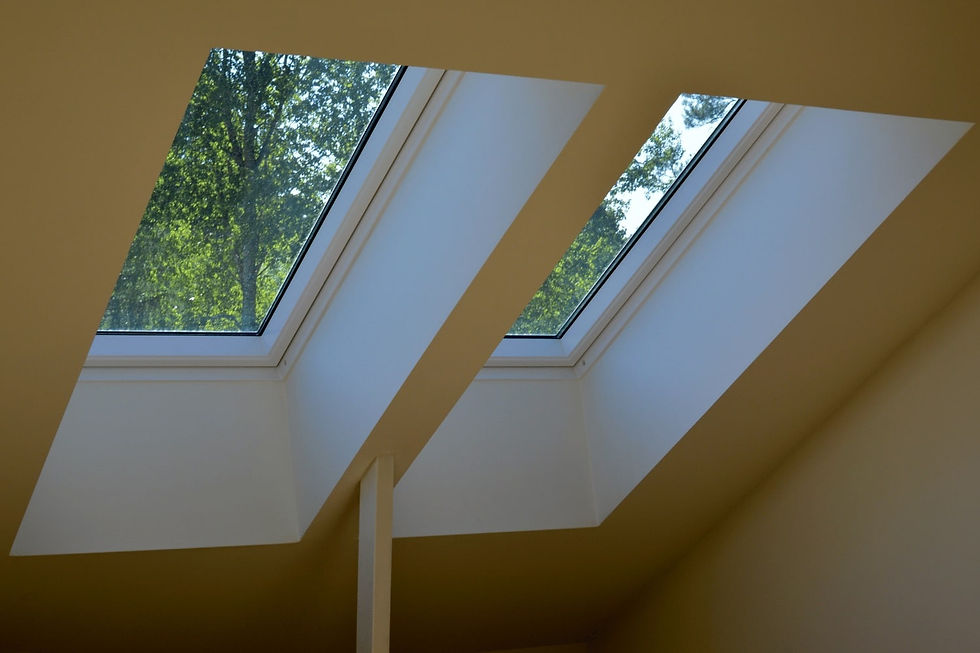
Skylights
Chimneys
Dormers
Complex flashing system
Each of these elements can create hidden water intrusion areas that, over time, cause decking or framing damage. Often, these areas can remain concealed during an initial roof inspection; when the existing roofing material is removed, the damage will be revealed. A complex roof may also take longer to assess and estimate due to the intricate design a roofing contractor must review.
Building Codes and Unexpected Compliance Costs
Current building codes may no longer be compliant with old roofing systems. Homeowners replacing their roofs may discover that current building codes will require additions, deletions, or changes to their old roofing system before their replacement is completed. Some typical code additions or changes to old roofing systems are:
Installation of ice and water shield
Increased roof ventilation
Addition of support framing
Use of fire-resistant underlayment
Updated flashing systems
Depending on which building codes must be met, these additions could be significantly more expensive than either the homeowner or the contractor anticipated. Additionally, mandatory inspections during a roof replacement often identify needed repairs that were not initially seen, which can cause delays. Code requirements are stricter in states with significant precipitation and snow accumulation.
How Professional Inspections Reduce Financial Surprises
Professional roof inspections are an effective way for homeowners to limit potential hidden damages and associated costs during a roof replacement. Expert roof inspectors will note many telltale signs that may indicate developing hidden damage; however, some damage cannot be found without actually working on the roof. By thoroughly checking a home’s roofing system, inspections are useful for discovering signs of:
Damage to the decking structure
Poor attic ventilation
Damaged flashing systems
Areas of moisture intrusion
Structural integrity issues
Poor insulation performance
Infrared and moisture-detection technology can also be used to detect water under the roof before work begins; however, inspections of the home’s interior and exterior provide the most useful information. Inspections of homes in the Pacific Northwest, where precipitation is extremely high, by Northwest Roof Maintenance in Vancouver, WA, will typically reveal significant water intrusion that has accumulated in the attic or roofing system without the homeowner's knowledge.
Budgeting Strategies for Hidden Roof Damage
A homeowner's roof replacement budget should account for potential hidden damage, even if the contractor's estimate is lower than anticipated. The initial estimate from a roofer should include details on what can be inspected on the surface; however, a contingency amount should always be included. A typical homeowner should anticipate paying an additional 15 to 20% of the estimated amount in their roof replacement budget for items such as:
Decking replacement
Structural damage repairs
Ventilation upgrades
These amounts are not often included in a contractor's initial estimate because it is not known for sure if these damages exist until the old roofing materials have been removed. A homeowner will save money and reduce stress by budgeting a percentage of the estimated cost.
Learn more about How Do Roofers Do Estimates in 2026?
Choosing Quality Materials Prevents Future Hidden Damage
While low-cost roofing materials may seem attractive upfront, they often fail to provide adequate protection against water intrusion, leading to hidden damage and higher maintenance costs over time. Quality roofing systems use durable materials that protect the home from the elements, thereby preventing latent issues. Advanced roofing systems feature materials such as:
Impact-resistant shingles
Synthetic underlayment
Waterproof membranes
Ventilation products that regulate internal home temperatures
A poorly constructed roof can easily lead to hidden damage in the home's interior.
FAQ’s
How much will a roof replacement cost me?
A standard roof replacement will range from $7,000 to $ 15,000, depending on your home's size, the roofing materials selected, and current market prices. However, owners should account for an additional 15-20% to cover unexpected hidden damage or system upgrades.
Can I detect hidden roofing damage on my own?
Visible signs of potential hidden damage include: leaking pipes extending from the roof, dark spots in the ceiling, cracked or missing shingles, and moss or algae buildup on the roof's surface. However, certain types of damage, such as rotting decking, are not visible from the ground and require professional inspection.
Do my homeowner's insurance rates go up after a roof replacement?
Your homeowners' insurance policy will likely not go up significantly after installing a new roof as long as it is of comparable quality to your old roof and is being replaced out of necessity rather than choice. If a roof is replaced with a far superior roofing system that increases the home's value, your premiums will rise.
What are the most costly hidden roofing damages?
Damaged or rotting decking typically results in the highest replacement costs, followed by structural damage to rafters or trusses. These costly issues, along with leaks throughout the home's structure and ventilation failures, can lead to extensive repairs.
Conclusion
Hidden roof damage can lead to significantly higher roofing replacement costs for homeowners. Water intrusion, rotten decking, and mold damage often go unnoticed by a homeowner until roof removal, at which point the damage must be repaired immediately to complete the installation of a new roof. If homeowners know to look for and plan for these types of damage, they will have a much smoother, less expensive roof replacement experience. Visit your nearest area for the best roof repair services.

Comments