
What Is a Gable Roof?
- Mar 19
- 7 min read

One of the most common and widely used roof designs in residential construction is the gable roof. Its triangular shape, which has simple designs and performance durability, makes it a preferred option among homeowners in various climates. However simple it might appear, it is more than a gable roof as it is.
Northwest Roofing has completed several tens of thousands of gable roof installations, repairs, and maintenance on numerous homes. Knowing the mechanics of this roof style and whether it suits your home can help you make better, cost-efficient decisions.
Learn About the Gable Roof Design
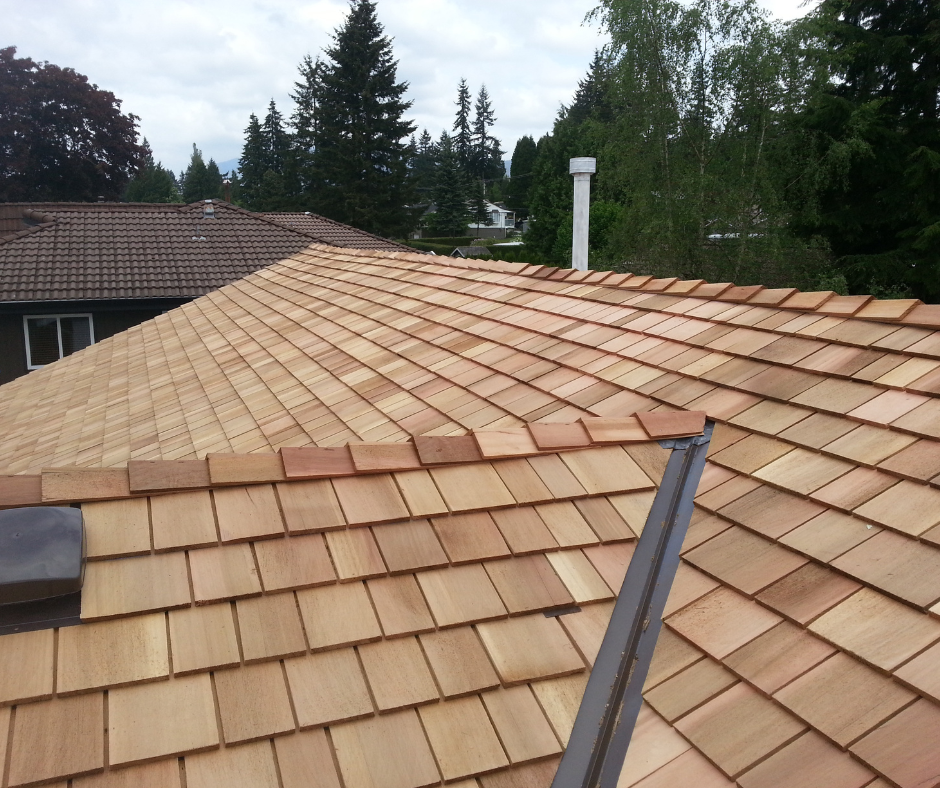
The roof is a gable roof, which has two sides inclined and uniting at a central ridge, hence forming a triangle at both ends of the house. These are the triangular sections that are referred to as gable ends. This design is not only attractive to the eye; it is very functional.
The slope enables the rainwater, snow, and debris to slide down readily, eliminating the chances of water accumulating and leaking. This contributes to the reduced effectiveness of gable roofs in places where the amount of rainfall or snowfall is high.
In Northwest Roofing, we tend to suggest the use of gable roofs to homeowners who wish to have a balance in terms of stability, cost, and efficient water drainage.
Features of Gable Roof
The gable roofs are characterized by a number of peculiarities:
The roof consists of two sloping roof planes that intersect along a ridge.
On either end are triangular-shaped gables.
Low to steep variable pitch.
Effective water and snow drainage system.
Mostly compatible with roofing materials.
Major performance is done by the pitch of the roof. The higher pitches purge water more quickly, whereas the lower ones give a more contemporary look.
What is the Difference Between a Gable Roof and a Hip Roof?
Homeowners have to make a comparison between gable roofs and hip roofs when making a decision about the roof style.
Gable Roof
Two sides with a ridge
Lower construction cost
Better attic ventilation
Easier to build and repair
Hip Roof
Four sloping sides
More stable in high winds
More complex and expensive
Hip roofs are more resistant to the wind, but gable roofs are usually cheaper and less difficult to maintain. At Northwest Roofing, we assist homeowners with an opportunity to make their choices regarding their climate, budget, and long-term purposes.Contact us to know about roof maintenance services.
Types of Gable Roofs
Gable roofs are not universal. These have a variety of variations, each having its advantages.
1. Standard Gable Roof
The most widespread, with two equal slopes in the shape of a triangle.
2. Cross-Gable Roof
Several gable sections with varying angles that meet at different angles—perfect for large houses.
3. Dutch Gable Roof
Incorporation of both gable and hip roof designs, which are more aesthetic and stable.
4. Front Gable Roof
The front of the house is facing the gable, as commonly observed in the colonial style of construction.
5. Box Gable Roof
Borders are enclosed, making it look clean and more finished.
Northwest Roofing designs each gable roof to suit your architecture and the purpose of your home.
Flat Roof vs Gable Roof
The use of the flat roof and the gable roof is totally different.
Flat Roof
Minimal slope
Modern appearance
Should have additional drainage planning.
Gable Roof
High water runs off the slope.
Lower risk of leaks
Old-fashioned classic design.
In the case of the majority of residential houses, a gable roof is safer and more convenient, as it has a natural capacity to drain. Visit your nearest area for roofing repair services.
Benefits of a Gable Roof
Gable roofs have not lost their popularity. Here are the key advantages:
1. Excellent Water Drainage
The main point is that the sloped design does not allow the pooling of water, which might lead to the appearance of the leaks and the destruction of the structure.
2. Cost-Effective Construction
A shorter design is cheaper in terms of labor.
3. Better Ventilation
Gable ends can have vents, which enhance the circulation of air in the attic.
4. Increased Attic Space
The triangle shape provides additional attic or storage space.
5. Versatile Design Options
Installs numerous materials such as asphalt shingles, metal, and tile. A gable roof is what we mostly suggest to homeowners who would want to use that type of roof, which is durable yet not costly.
Drawbacks of Gable Roofs
Notwithstanding its merits, gable roofs are not ideal.
1. Vulnerability to High Winds
The flat gable ends can be caught by the strong wind and damaged unless they are strengthened.
2. Structural Stress
Wrong construction may result in collapse during extreme weather conditions.
3. Maintenance Needs
Shingles, vents, and flashing should be checked on a regular basis. This is the reason why it is important to work with such experienced professionals as Northwest Roofing. we guarantee adequate installation and strengthening.
Top Roofing Materials to Use in Gable Roofs
The performance and appearance depend on the material you use.
Asphalt Shingles
Most popular option
Inexpensive and simple to mount.
Available in many styles
Metal Roofing
Long-lasting (40–70 years)
Very good weatherproofing.
Energy-efficient
Tile Roofing
Highly durable
Classic aesthetic
Heavier and more expensive
At Northwest Roofing, we assist homeowners to choose the materials depending on the climate, money, and longevity.
Installation of a Gable Roof
The gable roof installation has some steps to follow:
1. Roof Deck Preparation
Mature materials are cleared, and inspection of the building is conducted.
2. Underlayment Installation
To prevent moisture, a waterproof barrier is added.
3. Installation of Shingles or Material
The ceiling is fixed in a bottom-to-top manner.
4. Flashing Installation
Metal flashing is provided to chimneys, vents, and valleys.
5. Ridge Cap Placement
The ridges on the highest level are covered with a protective and finishing seal.
Northwest Roofing has professional installation; that means that your roof will last decades.
Maintenance Information on Gable Roofs
Maintenance promotes the longevity of your roof.
Key Maintenance Steps
Inspect roof twice a year
Clean gutters regularly
Determine the availability and condition of shingles.
Make sure to ventilate the attic.
Clean up roof surface debris.
When maintenance is ignored, it may cost him a lot in repairs.
Should You Repair or Replace a Gable Roof?
The knowledge of when to take action can cost you thousands.
Repair If:
Damage is localized.
The roof is under 15 years old
Structure is still strong
Replace If:
There is widespread destruction of shingles.
The roof is over 20–25 years old
Structural problems are indicated.
At Northwest Roofing, we offer truthful advice to people, and we never use tricks to make them replace roofs when they do not need it.
Why Choose Northwest Roofing to Do Your Gable Roof
Just as the right roof is very important, the right contractor is very important. It is because homeowners trust Northwest Roofing:
Technical proficiency of all types of gable roof.
Pricing without any hidden charges.
Good workmanship and materials.
Quality schedules and communication.
Invest in long-term solutions and not quick fixes.
We do not install roofs; we save houses.
The Effect of Climate on Gable Roof Performance
The local climate greatly determines the effectiveness of a gable roof and, that is why Northwest homeowners have to consider the environmental conditions carefully, and only after choosing the roof design can they finalize it.
Gable roofs work very well in areas that receive a lot of rainfall, like in the Pacific Northwest, since the roof has a slanting shape that enables the roof to empty the water very fast and effectively.
Nevertheless, gable roofs in places where the winds or storms are prevalent need extra support. The large triangular pieces (gable ends) may hold the strong winds, and it is necessary to have proper bracing as well as use sound frames.
At Northwest, we make sure that all our gable roofs have been constructed to resist the weather conditions in the region through the application of modern construction methods and structural materials. Contact us for storm damage roof repair services.
One more significant consideration is snow. In lower temperatures the high pitch of a gable roof would not allow heavy snow to settle on the roof, and this will decrease chances of the roof collapsing.
The correct insulation and ventilation are also important in avoiding the occurrence of ice dams, which may develop when heat escapes through the roof and melts the snow in an uneven manner.
Gable Roof Drafting and Energy Performance
The gable roof has one of the best qualities in that it works well with efficient ventilation systems. Adequate ventilation of the attic is vital in ensuring that the interior is comfortable, eliminating moisture, and increasing the duration of roofing materials.
Gable vents are usually fitted in the triangular ends of the roof to allow fresh air to flow in the attic room. This airflow is useful in temperature regulation, particularly in the hot summer seasons, since it allows the heat to escape. During winter, good ventilation prevents condensation, which otherwise can result in development of molds and rot of wood.
In the Northwest, we develop gable roof systems with a balance of intake and exhaust ventilation, which improves on energy efficiency. A well-ventilated gable roof with the inclusion of good insulation can save considerable money on heating and cooling; hence, it is a savvy long-term investment that homeowners should consider.
Frequently Asked Questions
1. Why do we have a gable roof?
A gable roof is designed to offer an easy and economical roofing option besides offering effective drainage of water and snow.
2. Can gable roofs be used in any climatic condition?
Gable roofs are efficient in rainy and snowy areas, but they might need to be reinforced in places with high winds or hurricanes.
3. What is the life of a gable roof?
A gable roof should be maintained and can last 20-50 years depending on the material used.

Comments