
What Makes Roof Replacement More Expensive in the Pacific Northwest?

Pacific Northwest homeowners are beginning to ask themselves why they are being charged more for roof replacement than homeowners are in other parts of the nation, and they are not the only ones. Roofing work has been expensive nationwide, but in Washington and the surrounding Northwest, homes face unique environmental and structural conditions that drive up roofing costs due to higher labor, material, and quality costs.
The Pacific Northwest's weather conditions, including rain, seasonal storms, changing temperatures, humidity, and moss growth, continually affect residential roofing systems. And the conditions are harsher, presenting greater challenges and requiring more efficient waterproofing, more suitable materials, more suitable ventilating systems, and more suitable installation techniques than in many houses in drier climates.
A roof here serves much more than as a cover - it must do much more. It must be truly water-resistant year-round and withstand prolonged exposure to water. That level of protection will come with a higher cost, but over the past decades, it will be a testament to the roof's performance in the Pacific Northwest climate.
Moisture Protection Requirements Increase Roofing Costs
Roof replacement costs in the Pacific Northwest can be high, as it's among the nation's wettest regions. Unlike areas with extended dry periods, houses throughout Washington and surrounding regions are bracing for prolonged rainy weather, humidity, and dampness, which can lead to roofing damage.
This results in the roofing system requiring more complex waterproofing layers beneath the shingles or panels. Generally, contractors use high-quality synthetic underlayments, ice and water barriers, reinforced flashing systems, and other improved drainage features to prevent leaks and potential structural problems.
The materials help make the roof last longer, but can cost a lot more for the job. Moisture protection is a critical component of roofing systems in Northwest climates, which are more susceptible to failure due to cheaper materials than in other regions.
If water penetrates the roofing membrane, it can lead to:
Rotting roof decking
Molds growing within attics. Attic mold growth.
Insulation damage
Structural weakening
Interior ceiling leaks
These problems may be avoided by using installation standards higher than those that most roofing systems will require in drier climates.
Roof Ventilation Is More Important in the Pacific Northwest
Ventilation systems also play an important role in roof performance in the Pacific Northwest. Moisture builds up in poorly ventilated attics, leading to condensation, damage to framing, reduced energy efficiency, and shortened roof life.
When replacing roofs in the area today, ventilation is often upgraded to ventilate the entire attic space. To minimize condensation during the extended rainy season, there are ridge vents, intake vents, exhaust systems, and moisture management solutions.
In many older homes, attic ventilation is not as efficient as current standards require. Contractors who replace roofs often propose additional equipment and materials that will raise the total cost but increase the roofing system's lifespan by 10 times.
Even the best roofing products can break down faster in constantly moist environments when they are not allowed to breathe.
Roofing Materials Cost More in Wet Climates
Some roof materials are better suited to a Pacific Northwest environment than others. There are roofing products to withstand repeated freeze-thaw cycles, algae growth, moisture penetration, and moss growth in this area.
Architects and homeowners are choosing metal roofing systems over asphalt shingles for their enhanced performance in wet climates, even though asphalt shingles are still used on homes.
More expensive roofing materials tend to have the following components:
Better algae resistance
Improved granule adhesion
Stronger wind ratings
Enhanced impact resistance
Longer warranties
The most popular type of metal roofing material in the Pacific Northwest is sheep's head metal roofing sheets because they are highly water permeable and resistant to moisture damage.
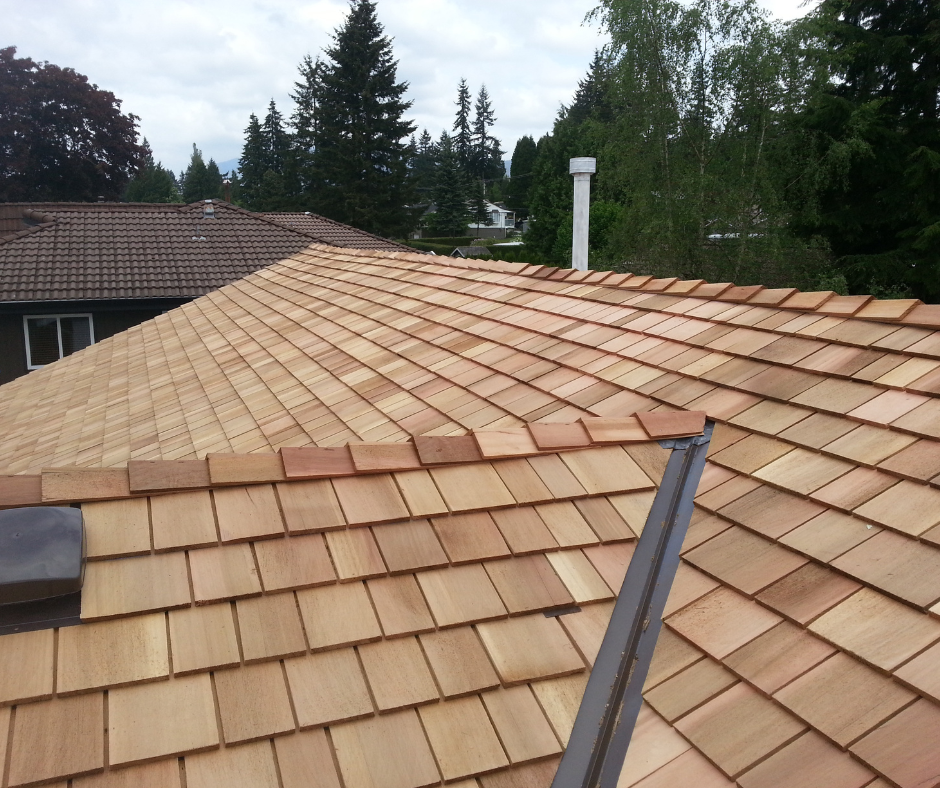
Of course, high-quality materials come at a higher price. When it comes to replacement costs, the material and labour requirements for homes needing cedar shake replacement or special products can lead to substantial increases.
Roof Complexity Raises Labor Expenses
In the Pacific Northwest, the replacement cost of the roofing system is significantly influenced by the roof type. Many houses in the region have steep roofs, pitched to provide sufficient water run-off during heavy rainfall.
The flatter the roof, the more difficult and costly the installation and labor will be, but the safer it will be to drain.
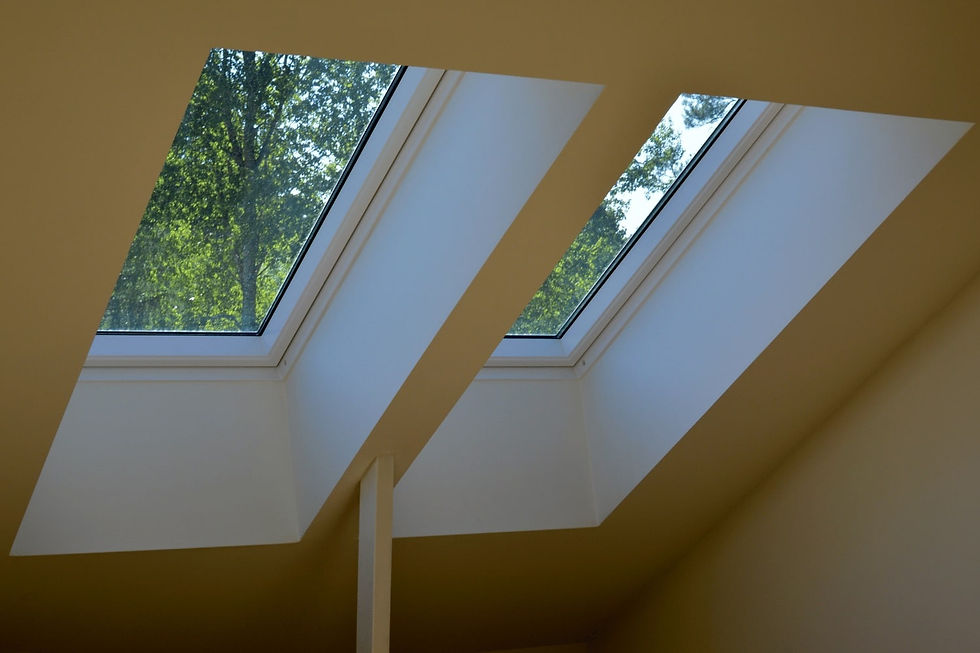
Multivalley, dormer, skylight, and intersecting roofs will require more complex waterproofing and additional flashing protection. If not installed correctly, each penetration and transition point is a potential leak point.
Contractors who work on steep roofs and/or roofs with architectural complexity must use additional safety equipment, staging, and slower installation techniques to ensure safety and quality. The cost of a small, hard-to-access, and complex roof can be significantly higher than that of a large, simple roof.
Moss and Algae Problems Lead to More Repairs
The Pacific Northwest climate makes it an ideal habitat for moss and algae. Roofs shaded by trees (shady roofs) tend to develop moss quickly and retain water on the roof surface.
As moss grows over time, it can pull up shingles, damage sealants, clog drains, and cause roof deterioration.
One of the most common issues contractors face during replacement projects is moisture damage beneath roofs covered with moss. Before the new roof is installed, it may be necessary to replace the decking, fascia boards, and flashing if they are damaged or rotting.
Labor Costs Continue Rising Across Washington
Labor shortages across the construction industry continue to be a major factor affecting roof replacement pricing in the Pacific Northwest. Skilled roofing professionals are in extremely high demand, especially in fast-growing housing markets across Washington State. Experienced roofing crews command higher wages because proper installation in wet climates requires advanced technical knowledge and attention to detail.
Roofing companies must also account for rising operational expenses, such as:
Workers’ compensation insurance
Safety compliance programs
Fuel costs
Equipment maintenance
Licensing requirements
Ongoing employee training
Contractors who maintain qualified crews, proper insurance coverage, and manufacturer certifications naturally charge more than companies cutting corners with inexperienced labor.
In a moisture-heavy region, poor quality often leads to expensive failures far sooner than in dry climates.
Building Codes Add Additional Roofing Expenses
Building regulations throughout Washington have become stricter in recent years, especially regarding weatherproofing, ventilation, and energy efficiency.
Modern roofing projects may require code-compliant upgrades that older roofing systems did not originally include. These requirements can involve:
Improved ventilation systems
Enhanced underlayment installation
Upgraded flashing methods
Energy-efficient components
Structural reinforcement
Permit costs also vary by municipality and contribute to the overall project investment.
Although these code requirements increase upfront costs, they improve long-term roof durability and help homes perform better under Pacific Northwest weather conditions.
Disposal and Tear-Off Costs Are Higher
Removing old roofing materials is another expense many homeowners underestimate. Roof tear-offs in the Pacific Northwest often involve water-damaged plywood, moss-covered materials, and multiple layers of roofing accumulated over decades. Disposal costs have increased significantly due to landfill fees, transportation expenses, and environmental regulations.
Older roofing systems may also contain deteriorated materials that require additional handling during removal. Once demolition begins, contractors frequently uncover hidden structural problems caused by prolonged exposure to moisture. Rotten roof decking and damaged support components often need replacement before installation can continue safely. These unexpected repairs are one reason roof replacement estimates sometimes change after work begins.
Seasonal Weather Limits Roofing Schedules
Weather conditions in the Pacific Northwest shorten the ideal roofing season compared to many other parts of the country. Frequent rain delays, wet surfaces, and colder temperatures can interrupt installation schedules and reduce the number of workable roofing days available throughout the year.
Because roofing companies operate within narrower seasonal windows, demand increases significantly during dry months. This creates scheduling backlogs and can drive pricing higher during peak seasons.
Emergency replacements following windstorms or severe weather events can also temporarily increase labor demand and material shortages. Homeowners who wait too long to schedule roof replacement projects may face limited contractor availability and higher seasonal pricing.
Energy-Efficient Roofing Systems Cost More
Energy efficiency has become a growing priority for homeowners throughout the Pacific Northwest. Modern roofing systems now incorporate reflective technologies, improved insulation compatibility, and ventilation strategies designed to reduce heating and cooling costs. Energy-efficient roofing materials often cost more upfront, but they improve indoor comfort and lower long-term utility expenses.
Cool roofing technology, advanced underlayments, and insulated ventilation systems have become increasingly common in residential roofing projects across Washington. These upgrades add value and performance, but they also increase overall replacement costs.
Premium Installation Standards Protect Long-Term Value
Roof replacement in the Pacific Northwest requires far more precision than basic shingle installation. Contractors must carefully integrate each roofing layer to effectively manage constant moisture exposure.
Proper installation includes:
Accurate flashing placement
Complete waterproofing integration
Balanced attic ventilation
Correct fastening methods
High-quality drainage systems
Even small installation mistakes can lead to significant water damage over time. Experienced companies such as Northwest Roof Maintenance in Vancouver, WA, often focus heavily on the overall performance of the roofing system because long-term durability in the Pacific Northwest depends on more than just shingles.
Homeowners investing in professional installation generally experience fewer repairs, longer roof lifespans, and better structural protection over time.
Cheap Roofing Estimates Often Miss Critical Components
One of the most common mistakes homeowners make is comparing roofing estimates based only on price. Lower-cost bids frequently exclude essential components required for Pacific Northwest climates. Some contractors reduce pricing by cutting corners on underlayment quality, flashing systems, ventilation upgrades, or labor standards.
These shortcuts may temporarily lower upfront costs, but they often lead to leaks, mold growth, and premature roof failure within just a few years.
A properly installed roof should withstand decades of heavy rain, fluctuating temperatures, and moisture exposure. Achieving that level of durability requires quality materials, skilled labor, and region-specific installation expertise.
Learn more about How Do Roofers Do Estimates in 2026?
Frequently Asked Questions
Why are roofs more expensive in Washington State?
Roofs in Washington cost more because they require advanced moisture protection, better ventilation systems, skilled labor, and materials designed to handle heavy rainfall and prolonged damp conditions.
Does rain affect roof replacement pricing?
Yes. Frequent rain shortens installation windows, increases labor complexity, and requires more advanced waterproofing systems, all of which contribute to higher roofing costs.
What roofing material works best in the Pacific Northwest?
Architectural shingles and metal roofing systems are among the most popular choices because they provide strong moisture resistance, durability, and long-term performance in wet climates.
How long should a roof last in the Pacific Northwest?
A properly installed roof can last between 20 and 50 years, depending on the material, ventilation quality, maintenance practices, and local climate conditions.
Conclusion
Roof replacement costs in the Pacific Northwest are higher because homes in this region face constant moisture exposure, demanding weather conditions, stricter installation requirements, and increasing labor expenses. Roofing systems must deliver far more than basic protection. They must withstand years of rainfall, moss growth, humidity, and temperature fluctuations without allowing moisture to penetrate the structure.
Investing in high-quality materials, proper ventilation, advanced waterproofing, and skilled installation ensures stronger long-term performance and reduces the likelihood of costly structural damage. In a climate where roofing failures can quickly escalate into major repairs, a professionally installed roof remains one of the most valuable investments homeowners can make for their property’s protection and long-term value. Visit your nearest area for the best roof replacement services.

Comments