
What Should a New Roof Cost in 2026?
Updated: Mar 31

Meta Description: Wondering what a new roof costs in 2026? Explore average prices, material options, and key factors that affect your final bill.
When you are doing your research on the cost of roof installation, there is likelihood that your current roof is beginning to wear out. This could be because you have observed missing shingles, little roof leaks following a heavy rain or dark streaks appearing on the surface.These red flags usually cause the homeowner to assume whether a simple repair would fix the problem or whether the entire roof needs replacement.
One of the most important investments you can ever make towards your home is a new roof, however it is also one of the most critical. Your roof keeps your house dry, safes it during the rainy season, when it is windy, when it gets hot, or in winter when it snows. Due to this, knowing the extent to which roof installations will cost you in 2026 will enable you to budget and prevent a shock.
At Northwest, the question that has often been asked by homeowners is what a realistic roof replacement budget should be. Although there is no universal figure, when it comes to determining the average price range, knowing the factors that will affect it, can simplify the process a lot.
Mean Price of a Roof Installation
The simplest question most homeowners ask is: How much will a new roof cost? In the United States, the cost of installing a roof ranges from $8,000 to $30,000, depending on various factors. In a typical house, most projects would work in between 12-18 thousand dollars when using normal asphalt shingles.
The price, however, would largely depend on your home's size, roof design, and the materials you plan to use. An example is a small single-story house with a plain roof structure would be much cheaper than a big house with multi-storeys and complicated roof lines.
The cost of shingles is not the only factor in roof replacement. The final price includes labor, removal of the old roof, underlayment, flashing, fewer upgrades, and upgrades for ventilation and disposal fees.
The online estimates can be treated as a guide only due to such variables. The surest method of knowing your actual expenses is by asking a qualified roofing contractor to inspect and provide an estimate. Visit your nearest area for roofing repair services.
Factors that Influence the Cost of Installing Roofs
Pricing for roof replacement is not homogeneous because each house is unique. The general cost of a new roof installation is dependent on the following factors. Knowing these factors will help you interpret quotes more effectively and determine whether a price is fair.
Roof Size and Square Footage
The greatest factor in the installation costs is the size of your roof. Roofing materials are normally priced by the square, which is 100 square feet of roof surface. The bigger the roof, the bigger the materials and the amount of hours spent on its construction. Bigger homes will consequently result in higher costs for new projects.
For example:
A typical house can need 15 roof squares.
A medium dwelling could need 25 acres.
A big house might need 40 or so sq.
The more squares of roofing, the higher the installation cost.
Roof Pitch and Complexity
The cost of steep and complex roofs is also a significant factor in pricing. Steeper roofs are also more perilous and harder for installers to work on. They are prone to using special safety gear and may take longer to complete.
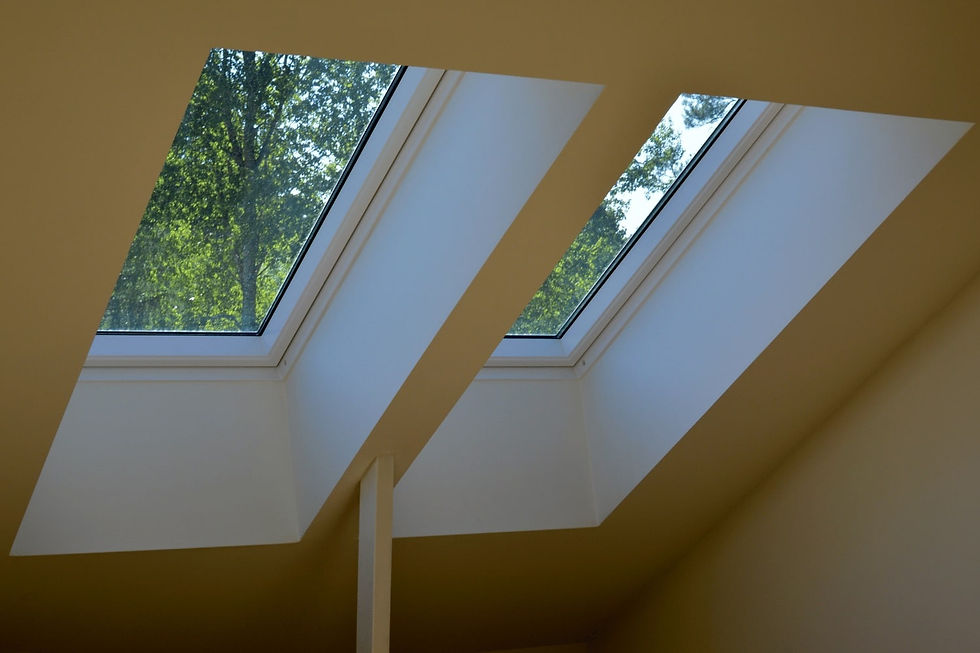
Likewise, roofs with more than one dormer, skylights, chimneys, or valleys should be more detailed. The more features added, the more labor time and material consumed. A simple roof design is typically quicker and less expensive to implement than an elaborate architectural roof.
Choice of Roofing Materials
The nature of the material you choose goes a long way in determining material costs as well as the cost of labor. Certain roofing materials are cheap and simple to install, whereas others are heavier, more durable, and require specific installation methods. The selection of the appropriate roofing material usually entails the following three factors:
Budget
Durability
Appearance
Labor Costs
One of the biggest elements of a roofing project is labor. The professional roofing crews have to tear off the old roof, inspect the decking underneath, install the protective layers, and place each shingle or panel meticulously. The cost of labor may change based on:
Regional wage differences
Job complexity
Installation time
Safety requirements
In most cases, labor accounts for 40 to 60 percent of the project cost.
Geographic Location
Location is yet another factor that influences the cost of roof installation. Cities with high costs have higher labor rates and allow fees. There are also local weather patterns that might affect the types of materials that will be recommended for your roof.
Indicatively, regions that receive high snowfall might need more robust roofing solutions, whereas hot climates might need reflective materials to minimize heat absorption.
Due to these differences, the cost of installation may vary enormously between two homes with the same roof in different states.
Compared Prices of Roofing Materials
The type of roofing material highly depends on the cost of the entire installation. Each material has its own merits, duration, and cost. Some of the most widely used roofing materials today have been discussed below.
Asphalt Shingles
Cellphone shingles are currently the most popular roofing material in North America. They are cheap, strong, and come in numerous colors and designs. Due to the popularity, they are also simpler and quicker to install than a lot of other roofing materials.
Typical cost range:
$4 to $8 per square foot installed
Most asphalt shingle roofs have a lifespan of 20-30 years under optimal installation and maintenance.
Metal Roofing
Metal roofing has gained popularity for its long service life and high energy efficiency. The metal panels are reflective and thus help reflect heat, reducing heat intake and cooling costs. They are also very windproof, fireproof, and water-resistant.
Typical cost range:
$9 to $16 per square foot installed
Metal roofs also have a life of 40-70 years, making it one of the most durable roofing materials.
Tile Roofing
Roofs made of clay or concrete tiles have a distinctive look and are highly durable. These are the roofs most commonly found on Mediterranean homes and properties in warm climates.
Typical cost range:
$12 to $25 per square foot installed
Contact us for tile repair roofing services.
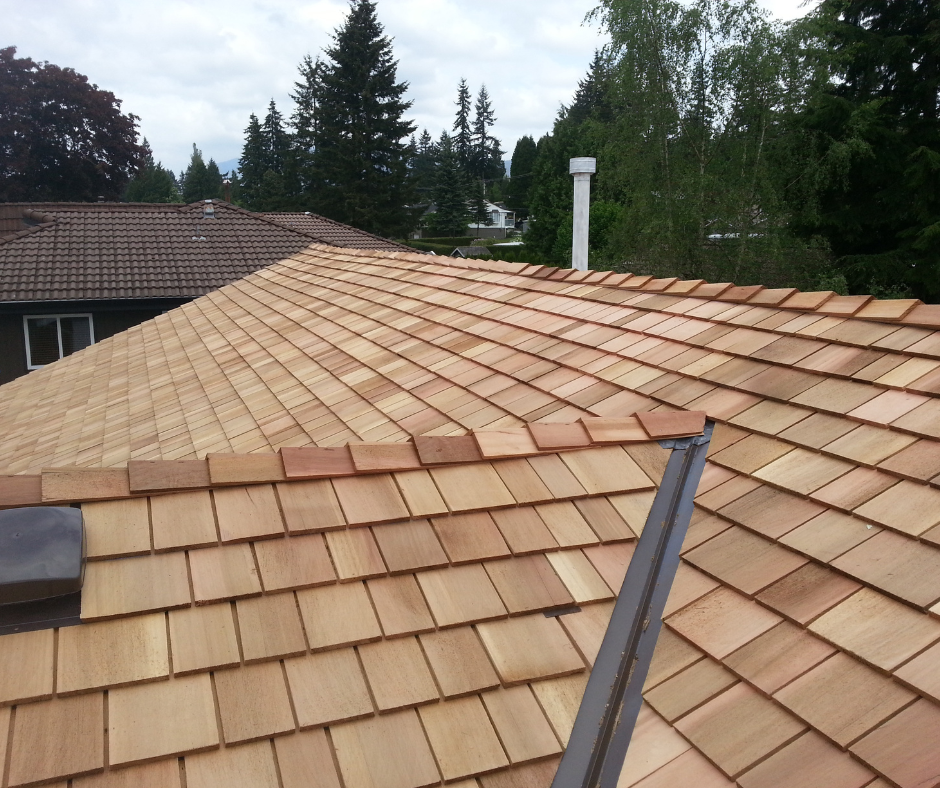
Cedar Shake Roofing
Cedar shake roofs are natural and rustic, which appeals to most homeowners. These roofs are well insulated and have a distinct appearance that is not common with asphalt shingles.
Typical cost range:
$10 to $20 per square foot installed
With proper maintenance, cedar roofs are expected to last 25 to 40 years.
Slate Roofing
One of the most resilient roofing materials is slate. It is often applied to historic or the most luxurious houses because of its beautiful look and long lifespan.
Typical cost range:
$20 to $40 per square foot installed
Slate roofs have a lifespan of 75 to 100 years or more, but the cost of installation is very high compared to most other roofing materials.
Things Mortgage Investors Should Know
When setting about replacing the roof, most homeowners only think about the price of shingles tile repair and installation. Nonetheless, the extra costs might occur in the project.
These are additional expenses that are not considered to be exceptional but which should be taken into consideration when estimating a roof fitting.
Roof Deck Repairs
Contractors check wooden decking after the old roofing materials are removed. In case some areas of the decking are rotted or damaged, this needs to be replaced before other materials are installed. This maintenance increases labour and material expenses. Contact us if you are planning to replace your roof.
Flashing Replacement
Flashing shields the areas that are vulnerable to chimneys, vents, skylights, and valleys. Ancient flashing usually requires a roof installation change to ensure proper waterproofing.
Ventilation Improvements
Adequate attic ventilation can help control heat and moisture in your house. Installing ridge vents or ventilation elements when building your roof can make it more energy efficient and extend its lifespan.
Permit Fees
Several cities require permits to begin major construction work, including roof replacement. The cost of permits depends on the area, but professional roofing estimates are usually inclusive of permit costs.
Disposal Fees
Disposing of and removing the old roof materials also increases the overall project cost. Dumping and transportation costs may vary depending on the roof size and the country's waste laws.
How Homeowners Can Save on Roof Installation
Even though replacing the roof is a major expense, homeowners can adopt several strategies to keep costs down without compromising quality.
Compare Multiple Estimates
Requesting estimates for a project enables you to compare prices, warranties, and timelines.
The lowest price is not necessarily the best, though. Seek contractors that offer elaborate quotes and good warranties.
Select Materials that are cost-effective
High-quality materials, such as slate or tile, are very durable but have a high installation cost. Architectural asphalt shingles are often the most economical and durable option for many homeowners.
Website Installation Off-Season
The roofing need is greatest at the end of spring and in summer. Your roof replacement can be scheduled during a slower time of year, and you can get a better price or even have your project completed sooner.
Look at Energy-Saving Roofing
There are also roofing materials eligible for tax credits or rebates when they enhance energy efficiency. Reflective roofs can also help reduce cooling costs, saving money over the long term as long as the roof is in use.
Obtaining a Correct Roofing Estimate
Since there is a wide range in roof installation costs, the most effective way to determine the true cost of your project is to book a professional inspection. Before a roofing contractor quotes you, he/she will consider some factors about your roof.
These include:
Roof size and slope
Status of the current condition of the material.
Structural integrity
Ventilation system
Flashing and drainage elements.
At Northwest, roof inspections help homeowners understand the current state of their roof and the most cost-effective replacement option. A clear estimate must include a detailed breakdown of materials, labor, and any other anticipated additional costs. This transparency helps homeowners make wise decisions before initiating the project.
Conclusion
A roof replacement is a significant home improvement, yet it is one of the investments that homeowners can make. A properly installed roof from Northwest helps your house against the weather, and also increases the efficiency of your energy, as well as the overall look of your house. Knowing what the project will cost, what materials to use, and what will affect the price can make you enter the project boldly.
Considering that homeowners work with professionals such as Northwest, they receive professional advice throughout the process, including the inspection, selection of materials, installation, and final inspection.
Although roof installation costs vary, using quality materials and professional installation guarantees your home will be protected for decades to come.

Comments