
Why Roof Replacement Prices Vary So Much in Southwest Washington

It often comes as a shock to many homeowners to find disparities in roof replacement quotes. Many property owners are confused about what causes roofing costs to vary so much between two similar homes with the same square footage.
So much more than shingles affects the cost of replacement roofs. Climate, labour, roof construction, materials, ventilation, the permit process, and undetected structural issues can affect the investment. With continuous moisture and seasonal storms existing in Southwest Washington, installation standards and material performance become even more critical for roofing systems.
It is because when customers understand the actual reasons behind those pricing differences, they can make an informed choice, not simply accept the lowest price, and be prepared for future problems.
Southwest Washington’s Climate Creates Higher Roofing Demands
The weather conditions in Southwest Washington differ from those in other parts of the state, particularly for roofs. The accumulation of rain, moss, wind-driven moisture, freezing temperatures, and extended wet conditions causes roofs to deteriorate rapidly.
This weather condition requires more protective elements in roofing systems in the region than in other parts of the region. Contractors can recommend using better underlayments, waterproofing membranes, flashing systems, and attic ventilation to prevent moisture from penetrating the roof.
These additional materials are also more expensive, but they will reduce the risk of leaks, rot, and mold damage. Lower roofing quote prices often omit critical aspects of the roofing project that protect the roof from the weather, and over time, this can lead to expensive repairs.
Also, there is more moss and debris around homes with trees nearby. Roofing systems designed to withstand these conditions typically require high-quality shingles and superior moisture barriers.
Roofing Material Selection Has a Major Impact on Price
The roofing material used for the project is one of the major factors that determine the cost of roof replacement. Every material has varying installation needs, maintenance requirements, lifespans, and manufacturing costs.
Asphalt shingles are still the most commonly used and lowest-cost roofing material in Southwest Washington. However, even within the asphalt roofing system, there can be significant cost differences.
Basic 3-tab shingles are much less expensive than architectural shingles but offer lower durability and wind resistance. Premium designer shingles offer enhanced curb appeal and increased protection and can be more expensive.
Metal roofing systems are gaining popularity throughout the Pacific Northwest and perform very well in wet climates. Metal roofs will not deteriorate from moisture damage, resist the accumulation of debris more effectively, and can last years and years longer than regular shingles. The drawback is that it is extremely expensive, due to its complex installation process and the materials used.
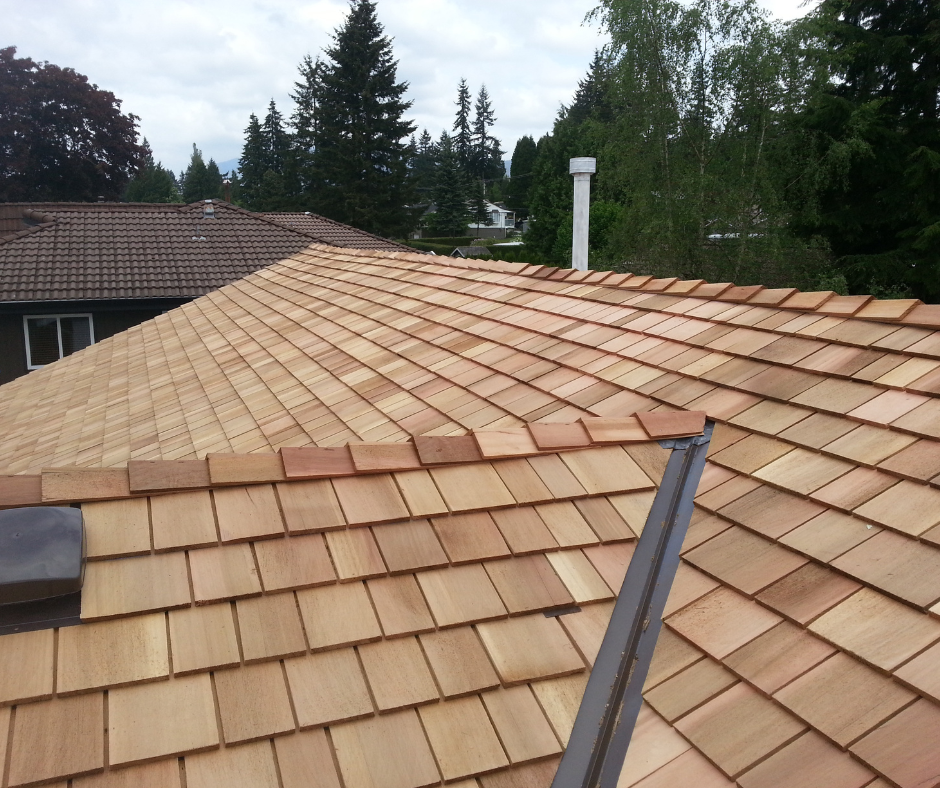
The cost of replacing cedar shake, synthetic slate, or standing-seam metal roofing can be many times that of the original roof. The replacement cost for cedar shake, synthetic slate, or standing-seam metal roofing can be significantly higher, especially for larger homes with more intricate roofs.
Roof Complexity Increases Labor Costs
Some homeowners compare prices only by square footage, while others consider roof system complexity more important.
Simple designs, low pitches, and limited penetrations make replacements faster and easier. More labour is needed, and extra safety precautions must be taken; special cutting and complex flashing are necessary for complex roofs. Several architectural characteristics add a significant amount to roofing costs:
Steep roof pitches
Multiple dormers
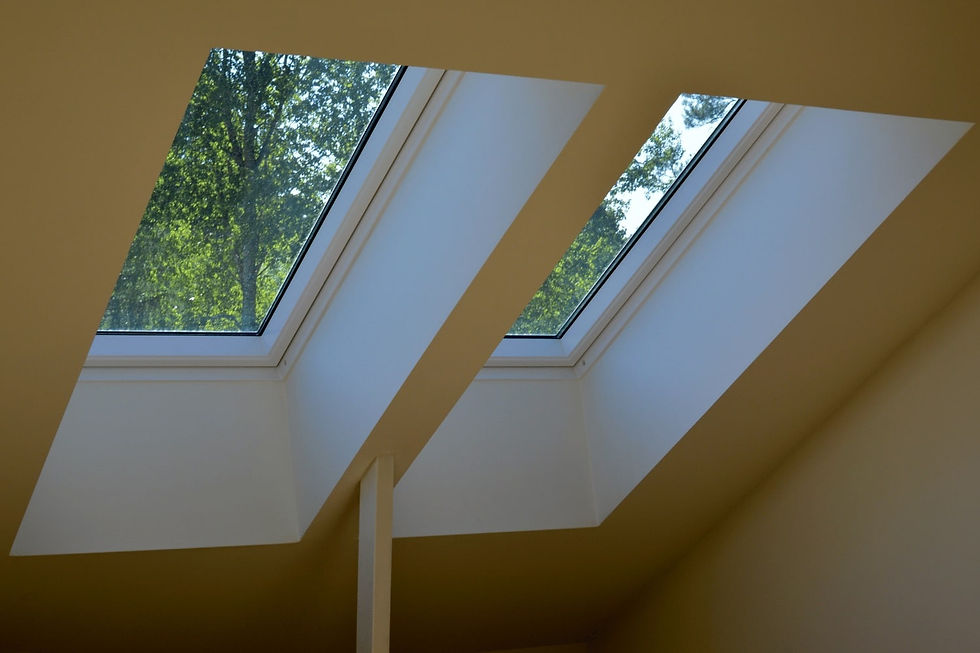
Skylights
Chimneys
Valleys and intersections of rooflines
Multi-story designs
Limited accessibility
Steeper roofs can mean more time will be lost, as crews will need to use additional safety equipment and proceed even more slowly. Waterproofing details must be carefully considered, as leaks can occur elsewhere in the project, especially with a complex layout.
Contractors who have experience in the moisture-laden Southwest Washington climate know that one of the most frequent causes of roof failure is improperly flashed valleys and penetrations. The cost and lifespan of roofing systems in these applications will vary, depending on how they are installed.
Tear-Off and Disposal Costs Vary Widely
The other considerable expense many homeowners don't account for is the cost of removing the old roof. Other houses may have several layers of roofing materials that need to be stripped off before installation. The cost of tearing off will be higher if the contractors encounter the following situations:
Multiple shingle layers
Heavy roofing materials
Water-damaged decking
Difficult disposal access
Materials that must be treated in special ways, such as older materials.
Landfills have also led to increased disposal costs throughout the State of Washington, and transportation costs have increased as well. Refuse from roofing materials is heavy, and dump fees are also increasing in some areas.
If the rot and/or moisture under the shingles is significant, a plywood replacement may be necessary before installing the shingles. The costs of the repairs may not be fully known until demolition work begins, so a project's cost can sometimes exceed the original estimate.
Labor Quality Significantly Affects Pricing
Installing a roof is a highly skilled technical job, particularly in areas where roofs are exposed to moisture year-round.
When roofing companies have more experience, they will charge more because installation requires advanced training, compliance with safety standards, manufacturer certifications, and proper waterproofing. If a company is investing in skilled employees, health insurance, and continued training, its costs will obviously be higher than an unusually low estimate from a contractor.
Inexperienced workers, expedited installation, or shortcuts in long-term roof performance are among the reasons lower bids can be obtained.
Poor installation can easily cause moisture intrusion, attic condensation, mold, and decay in Southwest Washington. Roofing errors are more quickly exposed in the region's wet climate than in dry regions.
When evaluating offers, homeowners should focus on workers' guarantees, crew experience, and installation methods rather than the price tag.
Ventilation Systems Influence Roof Replacement Costs
In the Pacific Northwest, attic ventilation is one of the most important factors that affect roof performance. Poor ventilation allows moisture and heat to build up in the attic, leading to shingle deterioration and the potential for wood rot and mold growth.
Older homes in Southwest Washington are not well-ventilated by present-day standards. Roof replacement contractors often recommend replacing intake or exhaust ventilation components to enhance airflow during roof replacement.
Improvements to ventilation may include:
Ridge vents
Soffit vents
Roof vents
Intake ventilation systems
Moisture barriers
These upgrades will increase the total project price but will significantly extend the roof's life and improve the interior's energy efficiency. Good ventilation also helps prevent ice dams during colder seasons and excessive moisture accumulation during longer rainy seasons.
Click to know more about Roof Ventilation Upgrades: A Look at Modern Roofing Technology.
Building Codes and Permit Requirements Add Expenses
In recent years, Washington State roofing regulations have tightened. Today's building codes demand better weatherproofing, stronger fastening methods, and new ventilation techniques.
Permit fees can vary from one jurisdiction to another and depend on the project scope and inspection needs. The requirements for rooftops vary from city to city, especially in regions with heavy precipitation or strong winds.
Older roofs may lack the protective materials required for code compliance, which can reduce the value of the roof system. Contractors may have to add protective materials that were not originally part of the roof, thereby increasing the value of the roof system. All of these enhancements improve performance over time but are also associated with higher replacement expenses.
Professional roofing companies also take into account licensing requirements, insurance requirements, workers' compensation coverage, and permit processing costs when estimating.
Seasonal Demand Impacts Roofing Prices
Roof replacement cost can vary from season to season across Southwest Washington.
The busiest time for roofs is often late spring, summer, and early fall when weather conditions are ideal for installation. In this high-demand season, it is easy to get booked up, and prices can also inflate.
The prices may also temporarily increase after storms or wind damage if storm victims require emergency roof replacement, creating a shortage of materials and labor.
If you're thinking about replacing your roof, but only during an off-season, you might get more scheduling flexibility or lower costs. But waiting to replace the roof only to wait for lower prices can lead to much higher repair costs if the situation deteriorates further due to moisture damage.
Manufacturer Warranties Affect Total Cost
Roofing warranties offer different levels of coverage. High-end roofing systems often include additional manufacturer warranties covering material defects, algae resistance, wind resistance, and installation.
Contractors often need to install full roofing systems with approved components to receive enhanced warranties, including some of the following:
Starter shingles
Ice and water barriers
Ridge caps
Synthetic underlayments
Manufacturer-approved ventilation
These system-based installs are more expensive initially, but offer better long-term protection. Lower-cost roofs may not include as many necessary elements to provide the homeowner with the widest possible protection against future issues and, in turn, the widest possible roof coverage.
Local Market Conditions Influence Contractor Pricing
The cost of roofing can also vary depending on regional economic conditions and contractors' operating costs. There are several factors that impact pricing across Southwest Washington, including labor shortages, fuel costs, insurance, and supply chain issues.
Contractors with proper insurance coverage, licenses, taxes, and safety measures will operate legally and have an edge over uninsured operators who cut corners.
Customer support staff, project managers, safety training programs, and warranty service departments are other products of reputable companies that help boost their overall operational costs and quality of service. When choosing an estimate, homeowners should also consider value, reliability, and artistry, not just price.
However, the specifics of an inspection and the roofing solutions offered to a company tend to vary from one company to another, such as Northwest Roof Maintenance in Vancouver, WA, since every house experiences unique environmental and structural conditions and varying ventilation requirements.
Cheap Roof Replacements Often Become Expensive Repairs
Low bids for roofing often do not yield the lowest cost over the roof's life. Other times, it is a lower bid than the competition, which means some key elements of the work are missing or of lower quality.
The following are typical "quick fixes" for low-budget roof repairs:
Reusing old flashing
Skipping ventilation upgrades
Installing low-grade underlayment
Using inexperienced labor
The lack of waterproofing around penetrations is inadequate
Improper nail placement
These cutbacks can save some money up front, but they can lead to leaks, warranty problems, and roof failure.
A well-installed roof should last for years. Investing in quality materials and skilled craftsmanship will save money on home maintenance down the road and help maintain the home's structural integrity.
Frequently Asked Questions
Why do roofing estimates vary by thousands of dollars?
Roofing costs can vary from one roofing contractor to another due to factors such as the type of material, the quality of work, the warranty, roof ventilation, and the installation process. A few estimates might also fail to include key protection factors or repairs.
Does roof pitch affect replacement cost?
Yes. More steep roof pitches require more safety gear, slower installation rates, and more labor, making projects more expensive.
Are premium roofing materials worth the higher cost?
The benefit of premium materials, like metal roofing or architectural shingles, is that they can last longer, resist weather elements better, require less maintenance, enhance your home's curb appeal, and be worth the investment in the long run.
How can homeowners accurately compare roofing estimates?
When considering the cost, homeowners need to account for material specifications, ventilation upgrades, warranty coverage, labor practices, tear-off details, and cleanup information, not just the total cost.
Conclusion
The cost of roof replacement projects in Southwest Washington varies widely due to the variety of materials, workforce requirements, weatherproofing requirements, structural conditions, and installation complexities. The region's wet climate adds additional demands on roofing systems, and long-term performance is ensured only by quality craftsmanship and moisture protection.
Knowing which factors affect roofing prices can help homeowners avoid low, inaccurate quotes and select roofs that will hold up to the harsh conditions in Southwest Washington. A properly installed roof provides better protection, durability, energy efficiency, and decades of peace of mind. Visit your nearest area for the best roof replacement services.

Comments