
Brighten Your Home with Natural Light: The Benefits of Skylights
Natural light, one of the most powerful tools you have for changing the atmosphere of your home, is everywhere and comes from nature. You can create a larger, warmer and more inviting place. From every angle, Skylight is one of the most superior and gorgeous ways to bring outdoor sunlight into your living space.
Skylights do more than simply illuminate your room; they offer many benefits that enhance your home's feel and function. Today, we will learn how the skylight can be very useful for you because, in addition to saving energy, it has a fundamental impact on your health, many more benefits, and at the end of this northwest roof maintenance guide, you can bet that you will choose the most suitable option when incorporating it into your home.
What Are Skylights?
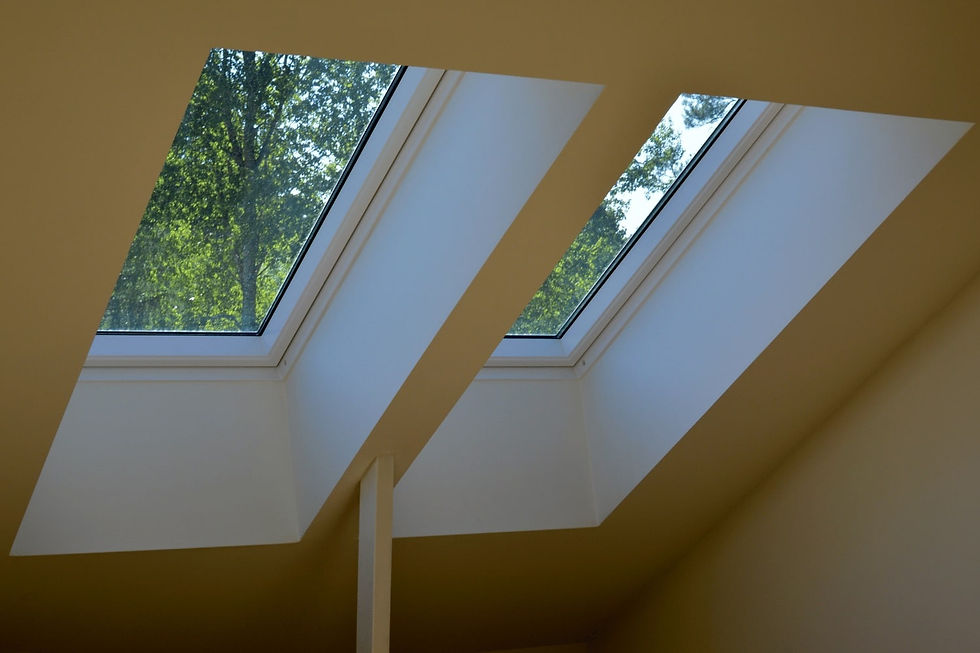
Skylights are windows installed in a building's roof, allowing natural light to flow directly into interior spaces. Unlike windows that open vertically on walls to let in light, skylights are installed in ceilings and let in sunlight from above. There are three types of skylights: fixed, ventilated, and tubular; each is suited to a specific use or refers to the one developed in pyramid form.
The Numerous Benefits of Skylights
1. Increased Natural Light
One advantage of a shorter time frame is access to naturally illuminated space. You can find ways to brighten a dark, gloomy room. Did you know that natural light has been scientifically shown to positively influence mood, tension and increase energy levels? It also helps spaces appear larger by removing shadows and brightening even the darkest rooms, such as hallways, toilets, and staircases.
Higher Efficiency for Lower Electricity Cost
Improving Your Energy Efficiency With Skylights: Skylights reduce your power bills by helping you use less electricity during the day. More natural light means you will need to rely less on lamps, overhead lights, or other electric sources to light up your place.
In addition, a few skylights are energy-efficient. Some others may have low-emissivity (Low-E) coatings that help reduce heat transfer in your home, keeping the cool air inside during summer months, and you can easily cook. This function can use more energy than your heating system, helping you consume even less Power and reducing heating or cooling costs.
Improved Air Circulation
For ventilation, there is also a ventilated skylight (operable skylight) solution. They open to release hot air and draw in fresh air around your home wherever needed as the temperature rises.
This is particularly important in areas like kitchens and bathrooms, where humidity tends to be higher, which can amplify mold or mildew issues. Skylights may help control humidity, a significant factor in the degradation of indoor air quality.
Enhancing Home Aesthetics
But skylights, especially as a great aesthetic architectural element, can make your home more attractive. Whether you choose a modern skylight or, when in doubt, go with a more nostalgic vibe, these roof windows can add interesting charm to your indoor spaces. They give you more views of the sky and open up what is felt in a connected atmosphere. On the roofs of turning homes, standard lighting fixtures from skylights can add variety and freshness.
Health Benefits of Natural Light
So, what are some of the benefits you get from regular exposure to natural light? It gives you control over optimal circadian rhythms, which can improve your sleep cycles and mood. Vitamin D is an essential vitamin that all humans require for bone health and immune function, and the body can also obtain it from sunlight (skylights allow extra sun exposure in your home, which can help overall). Skylights are a great addition to homes in areas with long winters or even short days, enhancing exposure during the gloomy winter months.
Environmental Impact
Skylights are a super idea for homeowners who care about their carbon footprint, and not only because they are green technology. Skylights reduce the overall need for electric light during daylight hours by using less artificial lighting when it is already bright outside, thereby reducing demand for electricity generated from fossil fuels. Furthermore, many skylight manufacturers nowadays offer eco-friendly options through energy-efficient glazing and other features, helping support sustainable living practises.
Increased Home Value
Skylights are like any other home improvement because they can add value to your home. Skylights are an added advantage, letting natural light pour through your home and working in your favor when dealing with prospective buyers.
Yes, homes with lots of natural light are always more desirable and will most likely sell more quickly than a dark home. Skylights would be classified as an enhancement to the property, as they improve the functionality you desire and add to its charm.
Click to find more about What Should A New Roof Cost in 2026.
Types of Skylights You Should Think About as Part of Your Home
Skylights are available in a variety of types, each offering its own advantages. So yes, it is right for 1 house to be different from another, and even for the result of one shed to be what you wish. Popular Skylight Types: First, let's compare common skylight types.
Fixed Skylights
Lyft skylights are non-operating (meaning, they don't open or close and maintain air circulation). Indications for use: These are useful in places where ventilation is less required but where natural light is at maximum. Examples could include the fixed skylights, which are much needed in living rooms, bedrooms, and hallways.
Ventilated Skylights
They are also operable, so you could simply open the skylights to get air moving. This is what makes them ideal for kitchens, bathrooms and attics where heat or humidity can be high. Heat is removed from the body, or, indirectly, cooler air enters. Operating the skylight helps remove hot air from the house and selectively provides a comfortable indoor environment whilst forming a healthy, climate-friendly home.
Tubular Skylights
A tubular skylight, also known as a sun tunnel, has a smaller profile than a standard skylight to maximize the amount of light entering an area where you want natural light but can't fit a large enough dome on your roof. They work perfectly for areas like bathrooms, closets, and narrow hallways where you want the benefits of sunlight without adding a larger skylight to your home.
Pyramid Skylights
In larger structures, pyramid skylights can use a screen that serves as the focal point of the space. They feature a top with multiple faces that evenly distribute light throughout the space. These skylights are usually used in an atrium or Albuquerque lobby space, for a large living room where you want a natural-light architectural feature.
How to Incorporate Skylights into Your Home
1. Consult with a Professional
You should always consult with roofing professionals or contractors, as some positions and designs are better than others. The best type of skylight for your house will depend on the pitch and orientation, as well as the climate.
Consider the Size and Placement
Following the case, your skylights will be various, comprehensive, and physical, precisely where you would like light to come in, and they can give delightful o6 color. Large units with large skylights and more space/regions are better considered well, whereas smaller units with less space for employees are a must! Think about where you want your directional light to be directed: in the center of the room or near a focal point, such as a dining table or seating area?
Choose Energy-Efficient Options
Select energy-efficient skylights with Low-E glass, which is coated for better insulation. It controls your home's temperature and lets in abundant light. Skylights, too, offer an energy-efficient range that reduces your electric bills, lowers utility costs, and increases the energy efficiency of your Home.
Consider Adding Shades or Blinds
If you want to enrich your home with natural light, skylights are the way to go, but there are also times when only sheltering from the fiercest sun rays is enough. The most common skylight types today come with built-in blinds or window tints to help reduce the light and heat entering the home.
Frequently Asked Questions (FAQs)
1. Do skylights make a room too hot?
Poor ventilation or the use of the wrong type of glass for skylights can lead to heat buildup. As long as the skylights are directly mounted, you can gain from energy-efficient Low-E coatings and even ventilated skylights that prevent excessive heating.
2. Are skylights hard to maintain?
For the most part, skylights need a bit of upkeep to keep them functioning; however, regular cleaning is enough to maintain optimal light. You should also check them for leaks or damage, especially after major storms.
3. Can skylights be installed in any room?
Skylights are designed to fit almost any room, but even if you can install one in the spot of your choice in your home, a roofing pro is still recommended. Flat and low-pitched roofs require different materials and installation methods.
4. How much does it cost to install skylights?
The price will depend on where the skylights are located, what kind of skylights they are and how challenging it is to install them. Adding a skylight generally costs $500 to $ 2,500 per skylight, including materials and labour.
Conclusion
It's such a wonderful way to bring natural light in and make your house beautiful at the same time, improving your living style. Sky lights offer a practical and attractive way to save on your monthly electricity bill, enhance your property's value, and enjoy lovely views of the sky. This will shine your home for years to come if installed and properly maintained. Visit your nearest area for skylight repair services.

Comments