
How Much Does a New Roof Cost in 2026?

A roof replacement is one of the most important investments homeowners will make in 2026. Rising labor costs, material shortages, updated building codes, and increasing demand for energy-efficient roofing systems have pushed prices higher across the country. At the same time, modern roofing materials last longer, increase home value, and offer greater weather resistance than those of previous generations.
Most homeowners in 2026 spend between $10,000 and $30,000 for a complete roof replacement, while premium systems can exceed $50,000 depending on roof size, material selection, and installation complexity. Asphalt shingles remain the most affordable option, while standing seam metal, slate, and tile systems sit at the higher end of the market.
Understanding exactly where roofing costs come from helps homeowners avoid overpriced estimates and choose a roofing system that delivers long-term value instead of short-term savings.
Average New Roof Costs in 2026
Roofing contractors typically calculate pricing by square foot or by “roofing square,” which equals 100 square feet of roofing material. A standard residential roof usually measures between 1,500 and 2,500 square feet, though larger homes can significantly exceed those numbers.
Here is the average installed cost for the most common roofing materials in 2026:
Roofing Material | Average Cost Per Sq Ft | Typical Total Cost |
Asphalt Shingles | $4 – $10 | $8,000 – $18,000 |
Architectural Shingles | $6 – $12 | $10,000 – $22,000 |
Metal Roofing | $10 – $20 | $18,000 – $40,000 |
Standing Seam Metal | $12 – $30 | $24,000 – $60,000 |
Concrete Tile | $10 – $27 | $20,000 – $55,000 |
Synthetic Slate | $8 – $16 | $16,000 – $35,000 |
Natural Slate | $18 – $35 | $35,000 – $80,000+ |
Material choice remains the single biggest factor affecting total roof replacement costs. However, labor rates, roof accessibility, ventilation upgrades, tear-off requirements, and regional pricing all contribute heavily to the final estimate.
Asphalt Shingle Roof Costs in 2026
The low cost, nice curb appeal, and fairly short installation time of asphalt shingles are the reasons for this choice, and these properties help ensure that asphalt shingles are the number one residential roofing choice.
Most homeowners will spend $10,000 to $18,000 on installing architectural asphalt shingles in 2026. Basic 3-tab shingles cost less but are not as durable or wind-resistant as the other types. Premium designer shingles not only look great and last longer, but also come with a high price tag.
Beyond these characteristics, modern asphalt roofing systems include improved underlayments, synthetic moisture barriers, impact-resistant shingles, and ridge ventilation systems for extreme weather climates. The additions extended the roof's life but increased the project's total cost.
The typical life span of a properly installed architectural asphalt roofing system is 20-30 years. In areas with heavy rainfall, snow, or prolonged sun exposure, proper ventilation and maintenance are extremely important for achieving a long lifespan.
Metal Roof Pricing Continues to Rise
Metal roofing will be one of the fastest-growing segments in the roofing market in 2026. Homeowners are increasingly opting for metal systems due to their durability, energy efficiency, and performance.
The average price of metal roofing now ranges from $18,000 to $40,000, depending on the metal roof panel style, thickness, coatings, and complexity.
The metal roof with standing seams is at the top end of the range for metal roofs, thanks to the hidden fastenings and the contemporary look it achieves. These systems can typically operate for 50-70 years and require little maintenance.
Metal roofs are more commonly used in storm-prone regions because they are more resistant to water, wind, and hail damage than traditional roof shingles. Another benefit of reflective coatings is their ability to help energy-efficient systems by reducing heat gain in the attic during the summer months.
The upfront price may be higher, but metal roofs are extremely durable. They can be expected to last for many years and require significantly less maintenance and replacement over time than traditional roofing materials.
Tile and Slate Roofing Costs
Natural slate, concrete tile, and clay tile remain the top roofing materials for 2026. Such systems have high curb appeal and very high durability; however, they require specialized installation skills.
The typical price range for a concrete tile roof is $20,000 to $55,000. In large residences or houses with more architectural interest, the price of a natural slate system can easily exceed $80,000.
An important expense is that of strengthening the structure. Additionally, tile and slate roofing materials are much heavier than asphalt shingles, and in some houses, framing modifications are required before installing them.
Good roof installations, at a premium price, can last 50-100 years. One reason many luxury homeowners opt for tile or slate is their timeless, durable appearance.
Synthetic roofing materials are also used because they can be manufactured to resemble slate or cedar-shake roofs, but they're lighter and easier to install.
Roof Size and Design Impact Pricing
The area of roofs is more related to the amount of materials used. The more complex the roof design, the more waste, safety concerns, installation time, and person-hours are required.
Several features of roofs are linked to higher replacement costs:
Steep roof pitches
Several valleys and dormers.
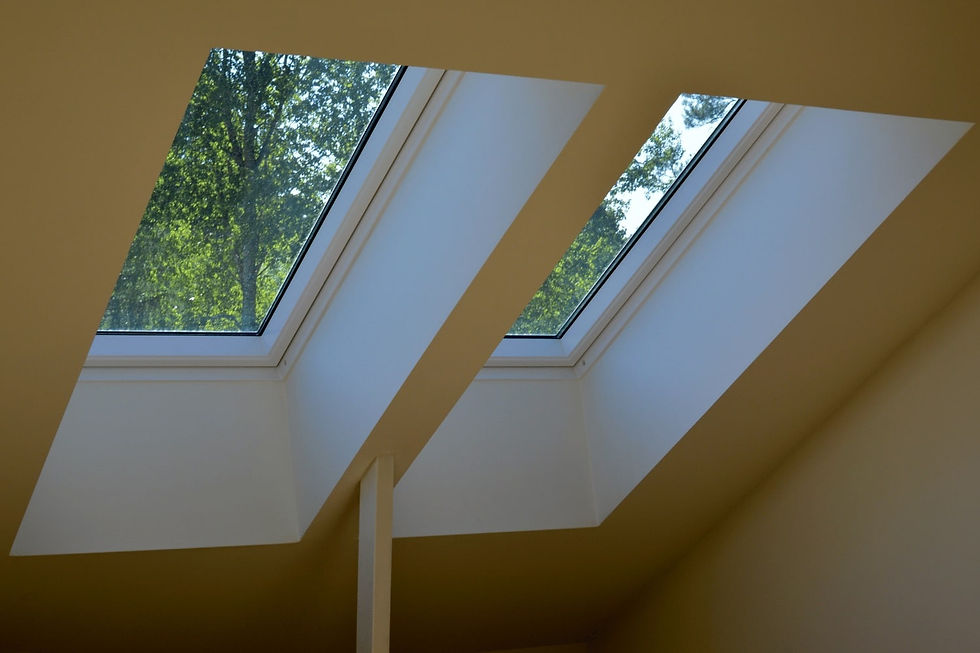
Skylights and chimneys
Multi-story homes
Limited property access
Complex flashing details
The two-story houses with steep angles and intersecting rooflines might be as large as a basic single-story ranch house with a low slope, but the price can vary greatly.
Access to the roof also affects labour costs. The roofers who work on difficult or dangerous roofs tend to charge higher prices, as they have to use much more safety gear and allow more time to install a roof.
Hidden Roofing Costs Many Homeowners Overlook
Many homeowners focus exclusively on shingle pricing without realizing several secondary expenses may appear during the project. Common hidden costs include:
Additional Roofing Expense | Typical Cost Range |
Old Roof Tear-Off | $1,000 – $4,000 |
Plywood Deck Replacement | $70 – $150 per sheet |
Structural Repairs | $1,500 – $10,000 |
Ventilation Upgrades | $300 – $2,500 |
Permit Fees | $200 – $1,500 |
Gutter Replacement | $1,000 – $5,000 |
Water damage beneath aging shingles often remains hidden until the existing roof is removed. Rotten decking, mold growth, deteriorated flashing, and ventilation deficiencies often lead to unexpected expenses during replacement projects.Homeowners should always budget for contingency costs rather than assuming the initial quote reflects the final project total.
Labor Costs Are Driving Roofing Prices Higher
A widespread labor shortage across the construction industry continues to affect roofing prices nationwide in 2026. Proficient roofers are still in super high demand, especially in areas with rapid population growth or frequent storm damage. Labor now accounts for 40-60% of the overall roofing project.
Installers with experience in the trade may earn more because their work directly affects roof performance, warranty coverage, and durability. Rushed work can lead to leaks, poor ventilation, and early roof deterioration.
Roofing companies today spend a lot of money developing and maintaining their personnel, ensuring they are trained and fit for the work, and maintaining safety compliance, insurance coverage, and manufacturer certification. Those running costs will end up in the project costings.
When householders look for the lowest quote, they often find that the work is substandard and end up paying a lot extra for repairs.
Regional Pricing Differences in 2026
The cost of replacing roofs varies widely by region. Local labor, permit, climate, and material transportation costs all affect local costs. Upgrading to more expensive wind-resistant systems is often necessary for homes in coastal areas. In northern climates, additional ice and water barriers may be needed to provide snow protection. Labor rates are generally higher in the western states than in many of the southern states.
Permit regulations, parking space limitations, disposal fees, and insurance requirements also contribute to higher roofing expenses in urban areas.
Roofing costs could increase even faster in markets with high housing demand, reflecting contractors' scheduling backlogs and material demand.
There are several indications that it might be time to replace the roof.
If the roofing surface is not replaced in time, it can cause several structural issues that may become much more costly. Water infiltration can cause damage to insulation, drywall, framing, and electrical systems long before any major leaks are visible inside the house.
Click to find out about Financing Your Roof Replacement: Flexible Options.
Signs It Is Time for a New Roof
Cracked shingles or curling shingles
Loss of shingles due to storms
Persistent attic moisture
Sagging roof sections
Loss of granules in the gutters.
Growth of moss or algae
Interior ceiling stains
Roof age > 20 years
Professional inspections can determine if repairs are possible or if it is more economical to replace the heating system altogether.
With all the rain and moisture in the Pacific Northwest, homeowners place a high priority on preventive maintenance. Vancouver, WA roofing companies like Northwest Roof Maintenance often emphasize the importance of proactive inspections to minimize the risk of long-term structural damage and prolong the life of the roofing system.
Is a New Roof Worth the Investment?
One of the most cost-effective roofing improvements for homeowners in 2026 is a new roof. In addition to weather protection, contemporary roofing systems can also enhance energy efficiency, increase resale value, and enhance curb appeal.
Aging roofs are always a topic in real estate negotiations. Installing a new roof before you sell your home can make your home more appealing and help it stay on the market longer.
Energy-efficient roofing materials also help minimise heating and cooling expenses through enhancing attic ventilation and solar reflectivity.
While roof replacement is a considerable initial cost, delaying it when it's needed can lead to greater expenses from water leaks, emergency repairs, and building deterioration.
Choosing the Right Roofing Contractor
The choice of the contractor is as important as the choice of the material. It is always best to check licensing, coverage, manufacturer certifications, warranty, and local project references before signing contracts with homeowners.
Professional contractors will give a written estimate that includes:
Material specifications
Ventilation upgrades
Tear-off procedures
Cleanup expectations
Warranty coverage
Estimated project timeline
When there are several offers to compare, homeowners can quickly spot any bids that are too good to be true, which may mean vital items haven't been included.
The best roofing projects are not just about the cheapest quote, but about a combination of quality installation, long-lasting materials, and a reasonable price that protects the roof's lifespan.
Frequently Asked Questions
How much does a new roof cost for a 2,000-square-foot home in 2026?
The cost range for a 2,000-square-foot structure is $10,000 to $25,000, depending on the materials chosen, labor costs, and roof complexity. High-quality systems, such as metal or slate, may cost more than $40,000.
What is the cheapest roofing material in 2026?
The basic 3-tab, asphalt-shingled roof is still the cheapest roofing option. But the durability and the lifespan of architectural shingles are greater than those of standard shingle roofing, albeit at a higher price.
How long does roof replacement take?
The time it takes to replace a roof in a residence varies from 1 to 5 days, depending on weather conditions, the roof's complexity, and the type of materials used.
Does homeowners' insurance cover roof replacement?
Roof replacement may be covered by insurance if a storm, hail, wind, or another covered event causes the damage. Typical homeowners' insurance policies generally do not cover the costs of normal wear and tear.
Conclusion
The cost of roof replacement is rising in 2026, driven by factors such as material costs, labor shortages, and the growing demand for durable roofing solutions. Although asphalt shingles are still the most cost-effective, many homeowners are choosing more durable materials, such as metal, tile, and synthetic roofing products, to provide greater protection and long-term savings.
Homeowners who learn about the size of their roof, the types of roofs available, the labor required, and the additional expenses involved in roofing can avoid such surprises and create an accurate budget. The roof is installed by a professional and covers the entire roofing area. It will help save energy, increase curb appeal, and provide measurable value to the property for decades. Visit your nearest area for the best roof repair services.

Comments