
Why Some Roof Replacements Cost Twice as Much as Others
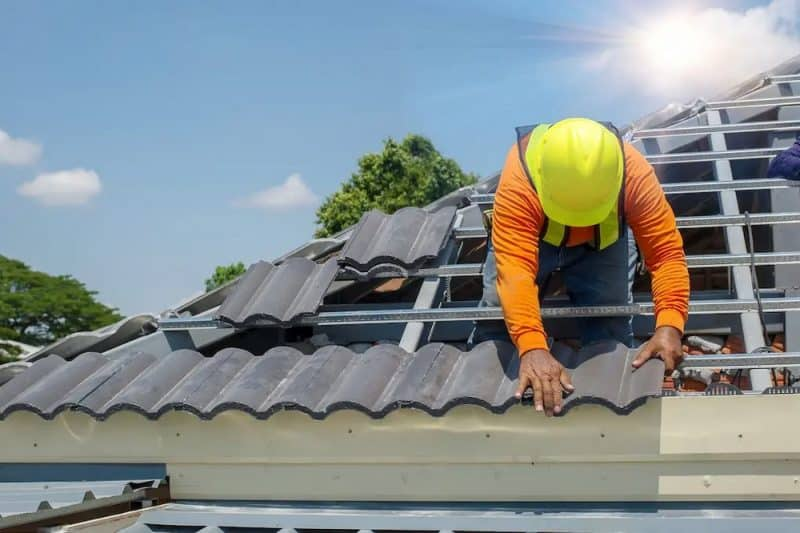
The cost of a roof replacement can vary wildly from home to home. The same-sized house in the same neighborhood could get estimates that differ by tens of thousands of dollars. Most homeowners think there is a straightforward material cost or a square-foot calculation, and are confused by the wide range of estimates.
In 2026, the cost of a roof replacement is influenced by several factors, including labor costs, the home's structural complexity, roofing materials, local climate conditions, safety regulations, roof ventilation, and any hidden damage beneath the current roofing.
Premium roofing projects cost twice as much as other jobs due to higher-strength materials and installation methods, as well as a better overall composition for longevity. By understanding why some roof replacement jobs are low-cost, and others are premium, homeowners can be assured they are making the best decision for their project.
Roofing Materials Create Major Price Differences
One of the biggest cost differentials between jobs will be the roofing materials. Different materials on the market vary in strength, durability, price, and the installation skills required.
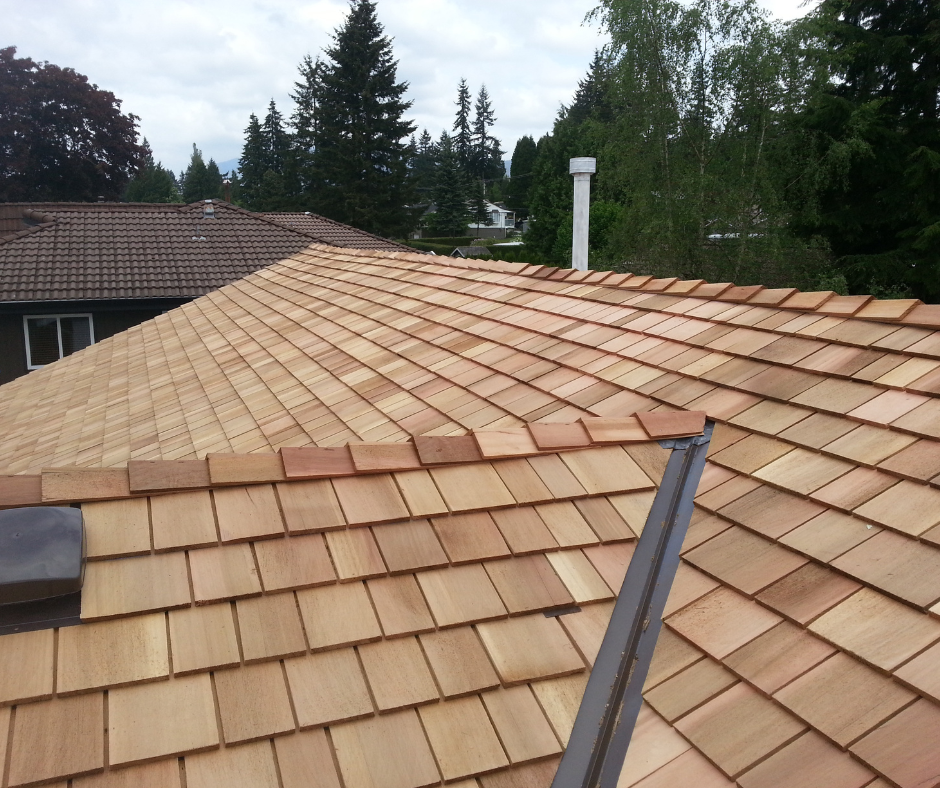
The asphalt shingle roof is still the least expensive option for homes. However, other materials, such as architectural or designer shingles, metal roofing, synthetic or real clay tiles, or real stone slats, will significantly increase the cost of your roof replacement.
Higher-priced materials give you:
A higher number of years in the roof's service life
A stronger material and resistance to elements
Better wind resistance
More attractive curb appeal
A higher rating of impact resistance
An example of the difference is that a basic asphalt shingle roof will cost almost half as much as a standing-seam metal roof on the same house, and real stone will cost several times as much due to its weight and the need for reinforcement under the roof structure. By investing in a higher-priced roofing material, you are investing in decades of additional service and reduced future maintenance.
Roof Size Alone Does Not Determine Cost
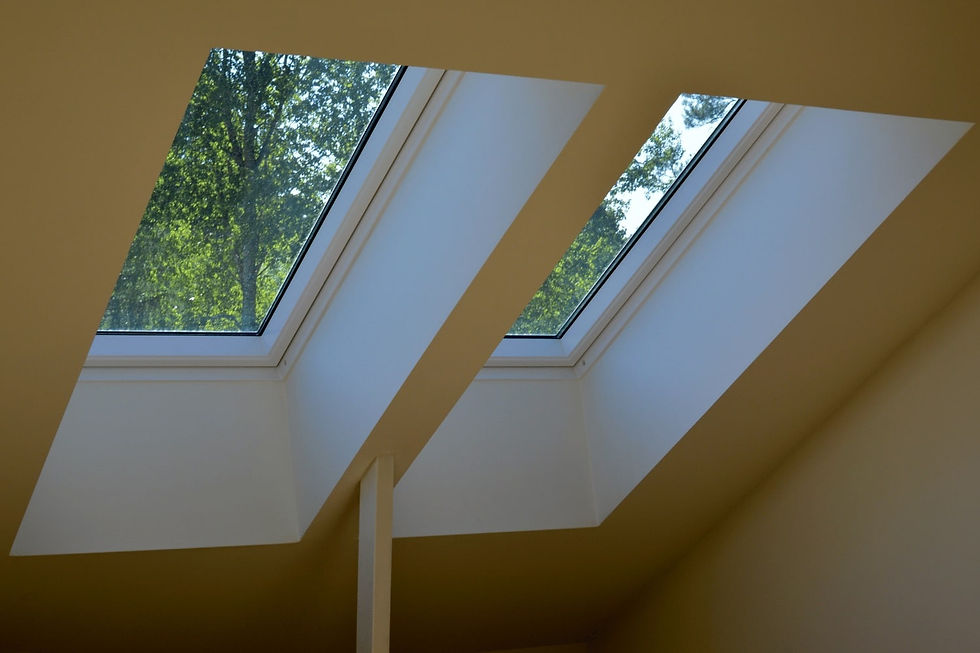
While most homeowners will assume that roof size determines the cost of a roof replacement, size is only part of the equation. A larger, less complex roof will often be substantially cheaper than a smaller roof with an extremely steep pitch, many complex valleys, dormers, and skylights.
Complex rooflines will increase labor requirements because a roofer will have a more difficult time cutting in around elements, sealing seams between materials, and waterproofing transitions. Roofing projects that cost more often involve features such as:
Steeper pitch
Multiple stories of the roof
Chimneys and skylights
Curved sections
Complex valleys
Difficulty in accessing the roof
A more complex roofline can lead to more installation errors and increase the risk of future leaks if not properly installed. It's common for these types of projects to have higher installation costs, especially if repairs are needed due to the complex features.
Labor Quality Separates Cheap Roofs From Premium Installations
Labor quality is a large differentiator between low-cost and high-end roof replacements. An experienced roofer will charge more because proper installation requires technical skills, manufacturer certification, compliance with OSHA standards, and years of practical experience.
Roofers with experience in your area will know about certain ventilation systems, how to better waterproof your roof against the specific conditions and dangers of your climate, and more. Lower-priced roofing projects may involve workers who lack these specific skills or simply do not take the proper time to install a roof correctly. Bad labor may lead to:
Premature leaking
Shingles blowing off in the wind
Improper ventilation that could affect your attic structure and shingles
Water infiltration and other structural damage
Issues with the warranty coverage of your new roof
Even the best roofing materials will not last very long if they are improperly installed. Professional roofing companies invest heavily in training and safety, which contributes to higher prices.
Roof Tear-Off and Structural Repairs Increase Costs
A roof replacement project may start fine, but it can quickly escalate in cost if it reveals unexpected damage beneath the existing materials. It is very common to see damage such as:
Rotten plywood
Mold growth
Damaged framing
Structural deficiencies
Homes at higher risk are those with a history of leaking roofs or inadequate ventilation, which can damage your roof decking and framing over time due to moisture accumulation. Ripping off existing materials can also cost more if there are multiple layers of old roofing materials on the home, or if the waste from the removal cannot be easily disposed of. An overlay roof is significantly less expensive than a complete tear-off, which may require structural repairs and a new roof deck.
Steep Roofs Cost Significantly More
Steep roofs take longer and are much more dangerous to work on than low-pitched roofs, driving up labor costs. A steeper roof pitch requires harnesses, scaffolding, roof jacks, and other safety equipment, which take longer to set up, require more time for roofers to work, and require more skill.
The steeper the roof pitch, the higher the price tag generally is, because each step in the installation process becomes much more complicated and labor-intensive. The costs are higher due to increased labor requirements, a more difficult installation, safety requirements, and often wind resistance. Houses that are two or three stories high are much more expensive to roof than houses that are one story tall.
Ventilation Upgrades Add Long-Term Value
Most modern roofing systems require adequate attic ventilation. Older systems do not often meet the standards needed to prevent long-term moisture accumulation. Proper ventilation allows moisture to escape the attic, reducing the risk of mold and mildew build-up, preventing damage to your insulation, and potentially accelerating the aging of your shingles.
Installing the right system usually involves additional costs but significantly increases lifespan and reduces long-term problems. In contrast, a cheaper proposal may fail to account for the importance of a properly vented roof, leading to issues for you in the future.
Warranty Coverage Affects Roofing Prices
Higher-quality, more robust warranties will always come with a higher price. Premium roofing systems will likely have an expanded manufacturer warranty covering algae growth, wind damage, materials used, and installation quality.
The more protection your roof warranty offers, the more the material will cost you upfront. A stronger warranty often requires higher-quality materials and approved installation methods and products.
Regional Climate Conditions Influence Pricing
Roof replacements in different climates cost more for various reasons. Regions that experience heavy rainfall will require additional waterproofing measures, and regions prone to high winds or severe storms will need a roofing system that is more resistant to damage.
Higher-cost climate solutions include advanced waterproofing, algae-resistant materials, and even higher-impact-resistant materials to withstand hail. The environmental impact of a roof in its given climate is very important and should always be factored into the cost.
Accessibility and Property Layout Matter
Roof accessibility affects efficiency & project costs. The easier a roof is to access, the less labor and materials that will be required. Homes with narrow driveways, steep terrain, limited parking, and landscaping obstacles require more time and equipment to transport materials to and from the roof. It can also affect the disposal of materials off the roof.
Difficult property designs may require specialized scaffolding, debris chutes, material lifts, and manual hauling to transport materials. Hillside homes with mature trees are generally more expensive to roof because these natural barriers will dictate the roof installation. The accessibility problems seem minor when viewed, but they will greatly increase the labor required for the installation.
Premium Roofing Systems Include Better Components
A complete roofing system includes not only shingles but many other parts. High-quality roofing projects may require better underlayments, such as synthetic underlayments rather than organic felt; an ice & water shield system in valleys or lower roof sections; a proper flashing system; high-quality ventilation components; and all-new roofing fasteners.
These additional layers create an effective weather barrier, ensuring your roof is adequately protected. Sometimes, lower-priced bids may reflect the use of low-grade underlayment or flashing components prone to leaking. Better components are more expensive, and the overall system will therefore be more expensive.
Click to know about how to Finance Your Roof Replacement: Flexible Options.
Insurance and Licensing Costs Affect Contractor Pricing
Professional roofing companies generally operate at substantial overhead. The labor these contractors use must be insured, and the companies also carry liability insurance and various licensing fees. These costs are reflected in their bids. Although more expensive, having a licensed, insured contractor ensures you are not held liable if something happens to the roof or if a laborer on it is injured.
It also increases the quality and safety of the work being performed. Roofing companies like Northwest Roof Maintenance, located in Vancouver, WA, know the value of quality roofing systems because they understand the implications of a poor-quality job on their future business. Cheaper bids often omit these costs, which increase the risk to the homeowner.
Cheap Roof Replacements Often Become Expensive Problems
One of the most misconceived ideas about roofing jobs is that all replacement jobs will yield the same value. Often, cheaper bids reflect the use of lower-quality materials or less time spent on the project. These companies may attempt to skimp on additional underlayment, fail to replace flashing systems, or use lower-grade materials.
Low-grade or improperly installed materials often result in a shorter roof lifespan. When your roof fails prematurely due to shoddy workmanship, it may cost much more than an initial, higher-quality roof job. A high-quality roof, professionally installed and maintained, can last for a few decades. A low-quality roof, however, could require repair within a couple of years.
Frequently Asked Questions
Why do roofing estimates vary so much?
Roofing estimates vary for a variety of reasons, including the type and quality of roofing materials used, the skill level of the labor, the roof's complexity and difficulty, climate-based design specifications, and any underlying repairs required before the roof is installed.
Does a more expensive roof last longer?
In most situations, higher-quality materials, better installation techniques, and the inclusion of supplemental underlayment and other features contribute to a much longer life expectancy for premium roofs.
Can roof design increase replacement costs?
Yes. Structures with steep slopes, roofs with many angles, dormers, skylights, valleys, multiple stories, or many surrounding trees/obstructions tend to be more labor-intensive. They will add significantly to the cost of the roof installation.
Is the cheapest roofing estimate a bad choice?
A. Not necessarily, but significantly lower estimates will likely be compromised by omitting certain required materials and will reflect the use of low-grade labor as well as low-quality installation.
Conclusion
The costs of roof replacement will vary widely due to differences in materials and labor, as well as the structural condition of the roof's underlying components. Higher-quality roofing systems are likely to cost at least twice as much because they use superior components, such as a comprehensive waterproofing system, a better ventilation design, and high-quality materials, resulting in a roofing job with a greater lifespan than a more standard build.
A quality roof not only serves its purpose by covering the home from the elements, but also helps preserve the home and all the items inside, and adds significant equity while potentially saving you from higher repair and replacement costs down the road. Homeowners should weigh these factors to ensure they invest in a roof that meets their future needs, rather than opting for a cheaper solution with short-term advantages. Visit your nearest area for the best roof replacement services.

Comments